

Rana Aaraj on creating safe spaces for migrant workers in Lebanon to learn and lead
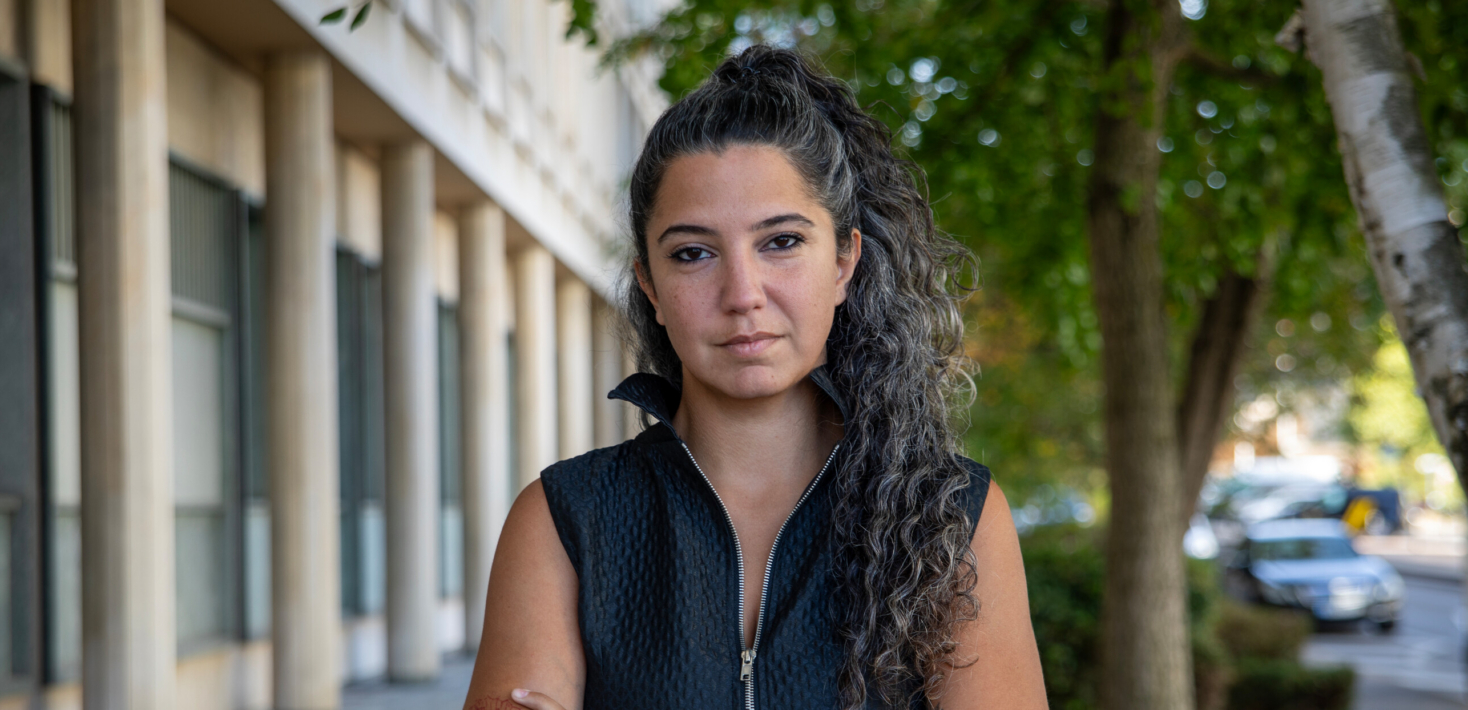
Rana Aaraj, 35, is a Woman Human Rights Defender, from Beirut, Lebanon.
Currently, she is Operations Director for the Anti-Racism Movement, which seeks to achieve social, economic and gender justice for all migrant workers and racialized groups in Lebanon. The organization also runs a migrant community centre where migrant domestic workers come together, build relationships, exchange knowledge and collectively organize around the issues that matter to them.
In a country where rights and freedoms aren’t a given, Rana understands the importance of providing a safe place where people can be themselves and have the autonomy to make their own decisions. Here she shares more about the weight of being a woman in today’s world, the importance of tackling abusive sponsorship systems and why your well-being should always be a priority.
For me just being a woman in the world has made me an activist. Is that a cliché?
I grew up in Lebanon, where I realized that liberties tend to shrink depending on the political climate and that my own personal life and freedom is very much linked to my context.
Everything I do and everything I am feels extremely political. I feel it every day, in the way I need to organize within my community. A lot can be taken away just by a shift in the context. In that sense, being one of the people who can help support communities has always been very important for me.
Now, I am Operations Director at the Anti-Racism Movement (ARM) in Beirut, a grassroots organization run by feminists who work alongside migrant workers.
The Migrant Community Center is made-up of around 800 members who are from different migrant communities. It’s a community space for them to access activities in a community kitchen, but also to organize, find out about technical and language classes and think politically about the kind of work that they need. It’s a space where they are empowered to lead, form relationships and organize themselves so they can address the issues that matter to them.
An exploitative system
ARM mainly works on the rights of migrant workers who are subjected to the kafala system. Under Lebanon’s kafala (sponsorship) system, migrant domestic workers’ legal residency is tied to their employer or sponsor. Their exclusion from Lebanese labour law protections and inadequate legal safeguards create a severe imbalance of power, exposing workers to exploitation and abuse. Employers may exploit this dependency through passport confiscation, restrictions on movement, denial of rest days and other violations. Workers also face significant barriers when seeking to leave abusive employment or access justice.
Most of the women that come here are from various African, South Asian and Southeast Asian countries. Many people, especially domestic workers, live within their employers’ homes and take care of the housekeeping and nanny duties, so essentially they are controlled by the whims of the family and the boundaries between their working and personal lives are often dictated by their employers.
For example, one person shared how their employer took away their passport and how difficult it was to get it back. There have also been reports of sexual abuse. Even if they were to go to the police, they face risks of retaliation, detention or deportation, institutional racism, language barriers and legal and administrative obstacles.
Migrant workers have found ways to resist
Yes, this is an extremely abusive system. But many migrant workers have come to Lebanon, so they can create a better life for themselves and their family.
Despite these restrictions, many migrant workers have long found ways to resist and support one another. They build their own networks of solidarity, share information, support each other through difficult situations and organize collectively to demand better working and living conditions.
Although it’s a space where they can enjoy respite, it’s a space for them to lead and collectively organize to find ways forward.
Although it’s a space where migrant workers can enjoy respite, it’s a space for them to lead and collectively organize to find ways forward.
Rana Aaraj
Through community gatherings and committees, members come together to discuss the issues affecting them, identify shared priorities and think about how they can collectively address them. This also means building relationships and solidarity across different migrant communities. In a context where many migrant workers experience isolation and restrictions on their freedom of movement, having the opportunity to come together, recognize shared struggles and act collectively is particularly powerful.
On any given Sunday, you’ll find the kitchens are brewing. Smells of rich spices fill the air, while the rooms echo with the sounds of music and children playing. There’s a real sense of community, which they have created.
Even though I work there, I am offered food, I enjoy conversations with community members and visiting the centre always means having a great day. We’ve built relationships with community members and it’s somewhere that the community can take the lead. Every single activity there is built and based on the needs that are arising from the community, under their leadership.
Migrant workers have told us how this is a space where they can just be themselves and it is rare in Lebanon. In Lebanon, Western nationalities are treated differently to people from the global South and there’s a lot of racism. So, when I see these workers able to be themselves, wear whatever they want and be with their community, it is wonderful.
Prioritizing our well being
Working in this environment can be stressful – especially given the current context of our country. However, looking after our well-being is one of ARM’s main objectives, as we perceive our well-being and our capacity as a resource in and of itself.
For us, it’s important and very powerful to feel the political weight of what we’re doing, so we often try and stop and reflect on what we’re doing and why. We try to do it in a way that’s more reflective and intentional and actually based on our power as a team and our strength with the community, rather than going into full on productivity mode and forgetting about ourselves. We try and share responsibilities and recognize individual and collective limits.
As a Woman Human Rights Defender, I am really proud to be able to contribute to collective efforts to build and sustain spaces where people are inspired to organize, lead and be themselves. Throughout my career, including within my work in sexuality and gender in Lebanon, the main driver has been the importance of having the spaces where people can get to go and be themselves in this country, especially with the restrictions that exist. For example, access to public spaces and the freedom to exist within them are still severely restricted for a lot of queer identities, black and brown identities, as well as migrant communities. For me it’s a privilege to help to create these safe spaces and make sure everyone feels comfortable.