

Following years of advocacy by civil society organisations, journalists and activists, Lebanon has passed a new media law that introduces important human rights-based reforms, but falls short of bringing all the changes needed to ensure that the right to freedom of expression is respected, protected and fulfilled in the country, Amnesty International said today.
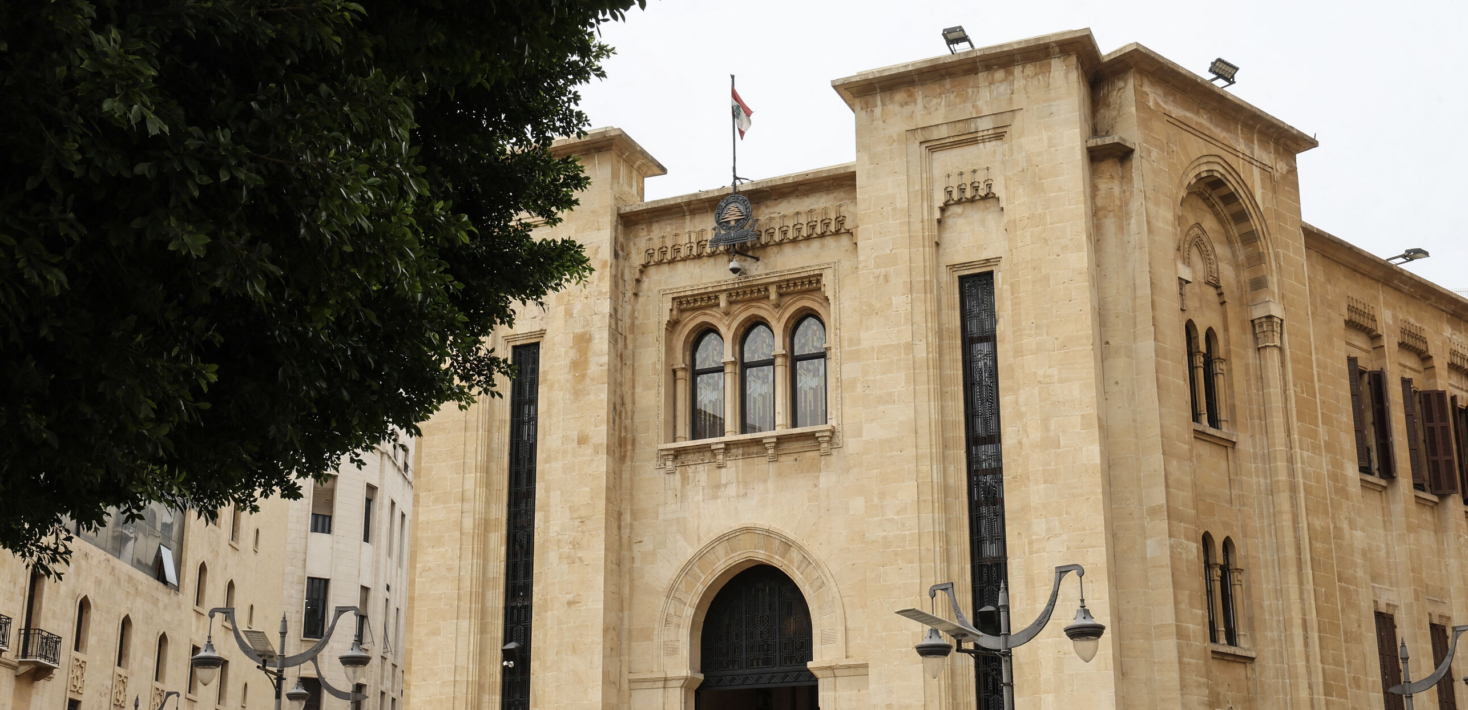
The Lebanese Parliament adopted a long-awaited Media Law on 11 August 2026 replacing outdated legislation from 1962 and 1994. The law published in the official gazette on 3 September, introduces several long-overdue safeguards for journalists, media workers and people exercising their right to freedom of expression online, including decriminalizing insults and defamation in some instances, introducing stronger protections for sources, prohibiting pretrial detention in media-related cases, restricting military court jurisdiction for such cases, and expanding protections for online expression.
However, parliament missed an opportunity to address other threats to the right to freedom of expression, including by retaining provisions in the Penal Code that carry prison sentences for protected speech such as “insulting” or defaming foreign states, and it also introduces new criminal offence for “false or harmful news”.
“After years of efforts by Amnesty International and other rights groups advocating legislative reform to protect expression in Lebanon, the new media law takes multiple steps forward, including by removing criminal penalties for certain insult and defamation offences and expanding protections for online speech. However, long-standing provisions in Lebanese law that criminalize protected expression remain on the books and could end up undermining progress towards decriminalization that parliament spent nearly years negotiating,” said Reina Wehbi, Lebanon campaigner for Amnesty International.
“In recent years, people in Lebanon that have published or written on controversial topics or criticized powerful actors have been summoned to face criminal investigation or brought to court for peacefully exercising their right to freedom of expression based on vague insult and defamation articles. The Lebanese parliament must not look away from the legal provisions that could still be used to prosecute and intimidate people for peacefully expressing their views and should complete the reform process by repealing the offence of ‘false and harmful news’ which is not a recognizable offence under international law and fully decriminalizing defamation, as well as repealing insult offences.”
As the new law governs expression disseminated through media outlets, publications, websites, online platforms and other electronic means, the protections and exemptions it establishes do not necessarily apply in other contexts in which freedom of expression could be exercised.
New safeguards introduced
One of the positive aspects of the new media law is that it introduces safeguards to reduce the risk that criminal law, military institutions, or investigative powers will be used to suppress criticism or journalism.
Article 114 prohibits pre-trial detention for offences committed through the media and electronic means governed by the law, regardless of the status or profession of the accused. By expressly extending this protection to online expression, the provision resolves a long-standing ambiguity under the previous framework, under which journalists, content creators and other individuals posting online could be prosecuted under the Penal Code and denied the procedural safeguards available in publishing-related cases.
The law improves on existing provisions in Lebanese law concerning “incitement of sectarian conflict, or violence against individuals or groups on the basis of, or because of, their actual or perceived racial, religious, sectarian, ethnic affiliation, color, or sex” by requiring courts to consider factors such as context, intent, influence, dissemination and likelihood of harm when assessing whether speech amounts to unlawful incitement, in line with international human rights standards. These safeguards help distinguish genuine incitement from protected expression, although concerns remain regarding the undefined concept of “sectarian conflict”.
Article 113 strips military courts of jurisdiction over all media and expression cases governed by the law. This addresses a long-standing concern of Amnesty International, which has highlighted cases in which civilians such as journalists faced military prosecution for speech-related offences.
Articles 115 and 116 establish explicit guarantees for editorial independence, protect journalists from interference, intimidation and retaliation aimed at influencing their work, safeguard their right to organize, and provide strong protections for confidential sources by restricting disclosure, surveillance, search and seizure measures capable of revealing a source’s identity except in narrowly defined circumstances subject to judicial oversight.
Additionally, the law modernizes Lebanon’s media framework by expressly recognizing digital media and establishing a clear notification-based registration system for media websites and platforms, which are not subject to prior authorization or licensing. It also removes prior authorization requirements for periodical publications, repeals restrictions on the number of political periodicals, removes the distinction between political and non-political publications, allows internet and satellite-based media outlets to operate through a notification process rather than a licensing regime, and abolishes prior censorship over the printing, publication and distribution of non-periodical publications.
Article 98 gives significant legal weight to the public interest, explicitly protecting reporting that exposes corruption, scrutinizes public officials, or addresses other matters of legitimate public concern.
“These new safeguards represent years-long, diligent and dedicated work by activists, advocates and journalists to improve the environment for free expression in Lebanon. It is now on the state to ensure these safeguards are rigorously adhered to in the days and months ahead,” said Wehbi.
Serious free expression gaps remain
While the positive developments are significant, there are also a number of gaps that the law did not address retaining problematic provisions on the books that violate freedom of expression.
The new law takes a step backward by criminalizing disinformation, without clearly defining it. Article 104(b) of the new law creates a new offence criminalizing the “intentional fabrication of falsehoods and the dissemination of false or harmful news”, which is punished with up to three years’ imprisonment.
The provision is problematic because it is open to abuse since vague, undefined terms like “harmful news”, create a high risk of arbitrary summons, investigations and prosecutions of journalists, media workers and others.
“Disinformation has a detrimental impact on human rights and it is important for states to take steps to prevent, identify and counter it, however criminalization is not an effective way of addressing it. Given that the scope of this offence will often be unclear, the provision risks becoming a new tool for going after people exercising their right to freedom of expression,” said Reina Wehbi.
After years of debate, this law should mark a decisive shift away from criminal penalties for speech, not create new tools for censorship and prosecution.
Reina Wehbi, Amnesty International
“Parliament should urgently amend the law to ensure that any provisions addressing false news are narrowly defined, and fully consistent with international standards on freedom of expression. After years of debate, this law should mark a decisive shift away from criminal penalties for speech, not create new tools for censorship and prosecution.”
Lebanon’s Penal Code and Military Justice Code include a number of crimes for speech-related offences which have been used to restrict criticism of public officials, state institutions and other powerful actors.
In a step forward, the new media law repeals offences against religious or national sentiment and shifts the framework for addressing a number of speech-related offences relating to insult, libel and slander from a criminal to a civil liability framework for means of expression governed by the law. The law also expands protections for criticism of public officials and public figures by allowing defendants to rely on evidence, indications of truth, and public-interest considerations in their defence.
However, the new media law falls short by excluding a number of speech-related criminal offences from this shift. For example, Article 292 of the Penal Code, which criminalizes insults and defamation directed at foreign states, their heads or their political representatives in Lebanon, remains in force.
Further, ambiguity remains regarding whether cases of libel and slander directed at public authorities and officials have shifted from a criminal to a civil liability framework for means of expression governed by the law.
Articles 107 and 108, which concern the new civil liability framework, include libel and slander for cases involving public officials and public figures. But, in its list of speech-related offences for which criminal penalties had been repealed, Article 105 did not explicitly reference Articles 385 to 387 of the Penal Code, which criminalize libel and slander against public officials, judges, public institutions, the army and the President. Legal experts consulted by Amnesty International said, in their assessment, the legislature likely intended to shift these offences into the new civil framework, but that the absence of an explicit reference leaves room for judicial authorities to continue to apply them.
Amnesty International continues to call for the repeal of laws criminalizing insults directed at heads of state, public officials or other public figures. Public figures are legitimately subject to criticism and political opposition and should tolerate more criticism than private individuals.
Background
Amnesty International has repeatedly documented how Lebanon’s criminal defamation, insult, and other speech-related laws have been weaponized by authorities to investigate, prosecute, and harass journalists, activists, and government critics. In 2023, the organization launched its #MyOpinionIsNotaCrime campaign, demanding the decriminalization of defamation offences, an end to military court jurisdiction over civilian expression, and full compliance with international legal standards.
The reform process of laws governing the media began in 2010 with a draft law presented by former MP Ghassan Moukheiber and the Maharat Foundation to replace the 1962 Publications Law. Over 16 years, the draft underwent extensive revisions across parliamentary subcommittees before final adoption on 11 August 2026. Throughout this process, Amnesty International and its partners in the Coalition for Freedom of Expression in Lebanon have continuously campaigned to ensure that Lebanese legislation protects, rather than suppresses, peaceful debate and media freedom.