



Reacting to today’s announcement from the Vienna Migration Conference where Austria, Denmark, Germany, Greece and the Netherlands announced plans to carry out deportations to so-called “return hubs” in Rwanda, Aimée Stuflesser, the asylum and migration expert at Amnesty International Austria, said:
“Today’s disgraceful deportation deal between European countries and Rwanda repeats mistakes of the past. Sending people to a country they have never been to is irresponsible and there is a real danger that the Rwanda deal will, with its limited chance for scrutiny, become a cruel black hole for human rights.
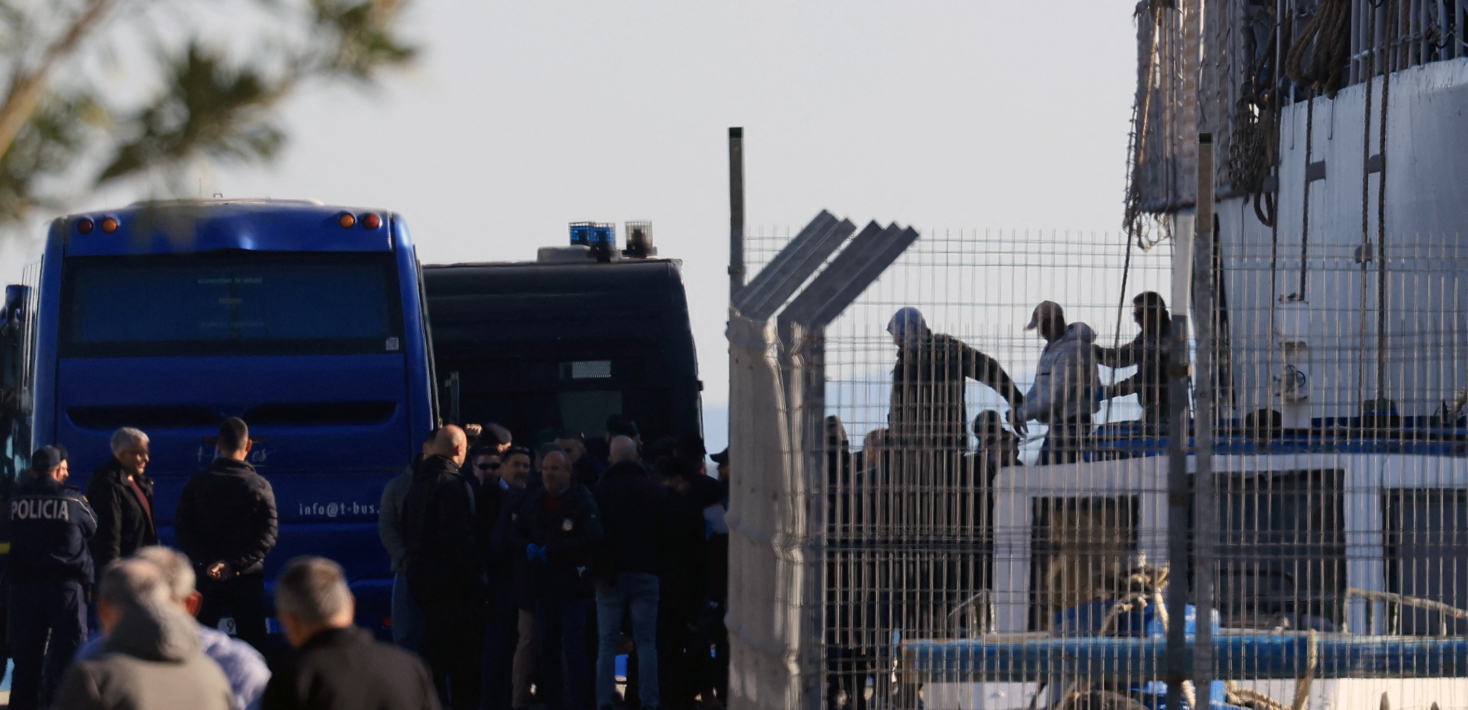
“Undocumented people must not become pawns in a politics of deterrence. The harms of these types of migration deals are well documented. From the Italy–Albania deal and the UK’s attempt to forcibly send people to Rwanda, to Australia’s offshore detention system, past attempts to send people to countries to which they have no connection have proven unlawful, unworkable and expensive.
“Wherever such schemes have been put in place, they have resulted in catastrophic human rights violations, while having a ruinous impact on asylum systems. The EU’s past cooperation with countries such as Libya on migration, moreover, have shown its inability – or unwillingness – to effectively uphold human rights, despite theoretical safeguards.
“The irony that this is happening in Vienna must not be lost. In this city, in 1993, states came together to affirm the universality of human rights. Today, this same city witnessed how those rights are being hollowed out piece by piece. Any responsible government should abandon these plans outright.”
Background
According to the unveiled plans, under a “pilot project”, a first group of people without the right to stay in the EU are expected to be transferred to Rwanda in 2027. Amnesty International calls on the Austrian, German, Dutch, Greek and Danish governments to withdraw from the scheme.
“Return hubs” involve a heightened risk of refoulement, including in return hubs or through onward deportations, and raise concerns regarding the prohibition of torture, inhumane or degrading treatment or punishment which could occur during and after transfers. The uncertainty over which state’s jurisdiction is engaged and which state is responsible for protecting returnees, could also impact people’s access to effective judicial remedy for violations experienced in “return hubs”.
The UN Special Rapporteur on the human rights of migrants has also pointed out that outsourcing migration control to third countries and private actors makes it harder to attribute legal responsibility for human rights violations. It does not, however, release states from their human rights obligations.
The new EU Return Regulation only permits deportation centres in states that comply with international human rights standards. The UN Working Group on Arbitrary Detention noted in 2026 that Rwandan authorities “suppress opposition and dissent, prosecuting political opponents, journalists and human rights defenders” for vague crimes. In 2023, the UK Supreme Court ruled the UK–Rwanda scheme unlawful and contrary to the principle of non-refoulement.
Rwanda has a track record of human rights violations and targeting political opponents and government critics, some of whom have been killed, abducted or threatened in Rwanda and outside the country.
Other serious human rights violations include; torture of detainees and prisoners, arbitrary arrest, lack of international fair-trial standards, and severe restrictions of freedom of expression and assembly. Rwanda’s support of the Front for the Refoundation of the Nation (formerly the March 23 Movement), an armed group in eastern Democratic Republic of Congo that has committed serious abuses, including summary killings, gang rape and pillage, may implicate Rwanda in war crimes.