
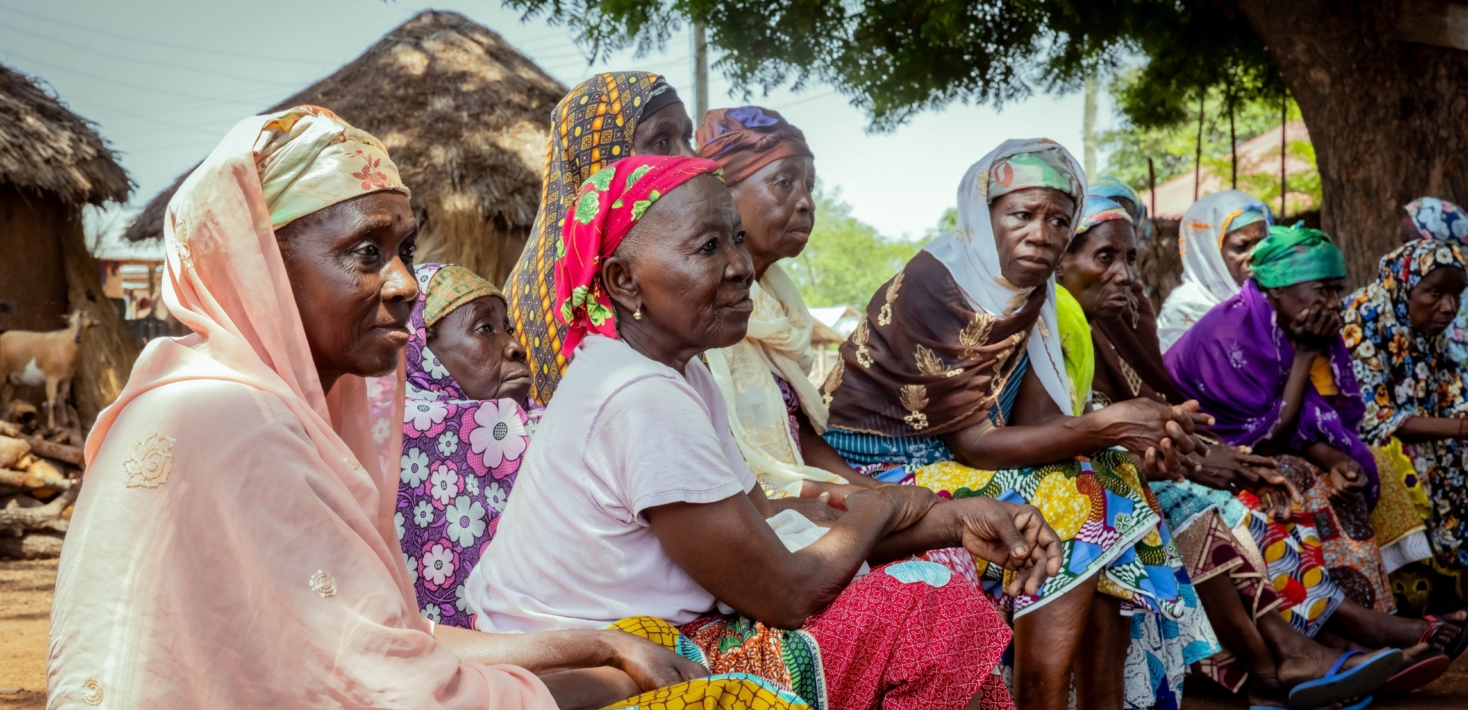


In Ghana, people accused of witchcraft, primarily older women, face threats, physical attacks and in some cases, death. They have no safe place to escape to other than camps in Northern and North-eastern regions overseen by religious leaders, as documented in Amnesty International’s 2025 report.
In 2023, the Anti-Witchcraft Accusations Bill, which seeks to establish a legal framework for addressing accusations of witchcraft and related abuses, including the protection and reintegration of persons affected, was passed by parliament as a private members’ bill. However, it was not signed into law by the then president, who cited constitutional concerns.
In July 2026, the bill was reintroduced to Ghana’s Parliament as a private members bill. Since September, the government is moving to take over the bill as a government-sponsored bill, aiming to facilitate its passage and implementation. The Minister of Gender confirmed that government was working towards reintegration of camp residents and eventual closure of the camps.
Amnesty International visited three of these camps, in Gambaga, Kukuo and Gnani, in April and May 2026, where six resident women shared their stories and hopes.
“I don’t want to die here”
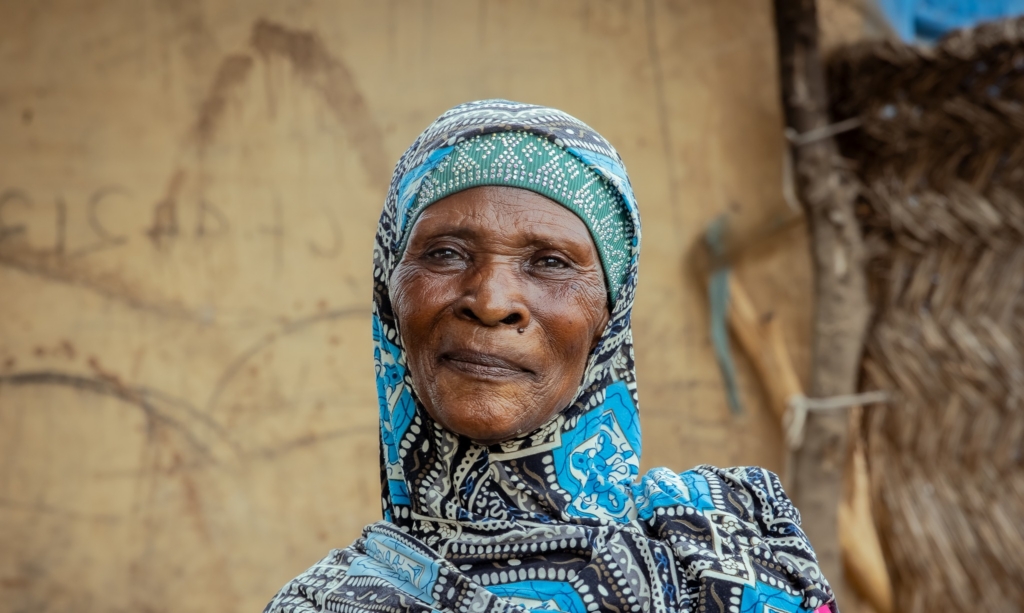
Zeinab Bogie, now in her seventies, was accused by her husband’s brother of putting a curse on his son and beaten by community members. She has been living in the Gambaga camp for 25 years.
“Life didn’t treat me well. Look what I am now because of the witchcraft accusations. I lost everything.
Our authorities should do everything to stop women being accused. People brutalizing women make them useless. Those women do not even know why they are being attacked.
I am no longer strong. I stopped working three years ago. I had a son who financially supported me, but he died.
I want to go back home. After my son’s funeral, my community agreed to have me back. I’m not scared of being re-accused if I go back to my community, because I’ll be one of the eldest women there and they will respect me.
Before leaving the camp, I must buy a sheep for the purification ceremony*. I also need money for transportation. My brother can’t help me as he doesn’t have money.
I am a little depressed. I am trying not to be, but I am really sad. I don’t want to die here.”
*Performed by traditional religious leaders, these ceremonies, often involving sheep or chickens, are used to determine a person’s guilt, lift curses, or cleanse the accused woman of alleged witchcraft powers and make it safe for her to return to her community, according to traditional spiritual beliefs.
“Witchcraft accusations are a barbaric act”
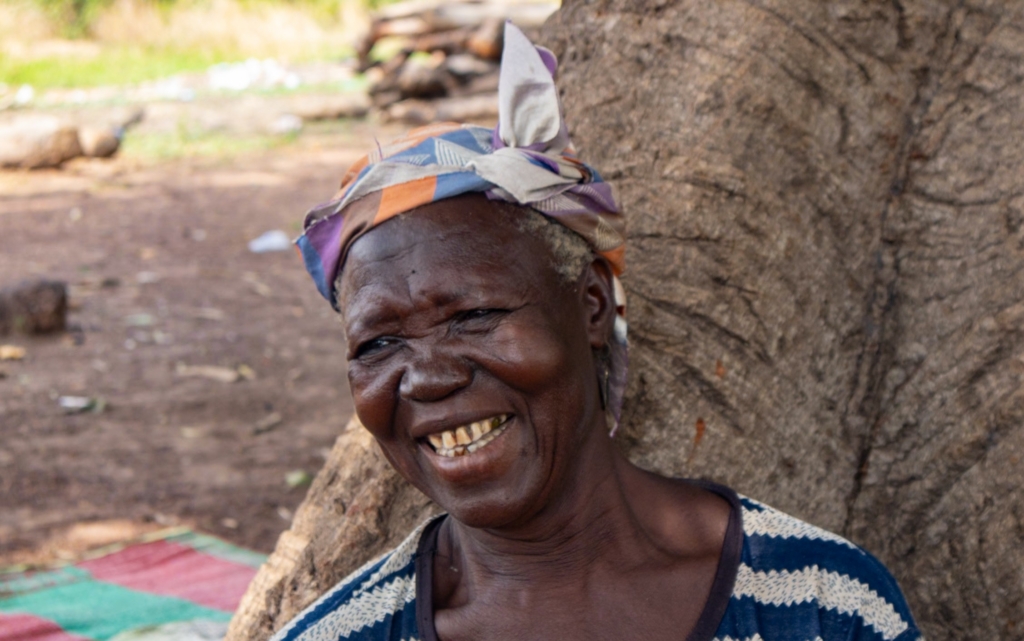
Fushiena Belena doesn’t know her age. She has lived in the Kukuo camp for 15 years, after her brother accused her of having caused his son’s death.
“Life brought me here. It is not bad here, although we don’t have all that we need. I live alone. The community members get water for me; the farmers give me food during harvest time and my neighbours help me wash my clothes.
My children talked to me about reintegration. They say that I should keep on praying so they can get money and they can build me a house in our village. But I don’t want to go back.
I know that if I go back to my community, they will discriminate against me. I see myself here for the rest of my life, and I’ll also be buried here.
Witchcraft accusations are a barbaric act. I suffered the pain of being accused. I wanted to die because the pain was very strong. It is something very difficult to recover from. Now I feel that I have recovered because no one has attacked me here, no one has stigmatized me.
I totally support the Anti-Witchcraft Accusations Bill. We trust the authorities to protect us and to protect other women from being accused. I even wish they could pass the law today.”
“My husband couldn’t say anything to defend me”
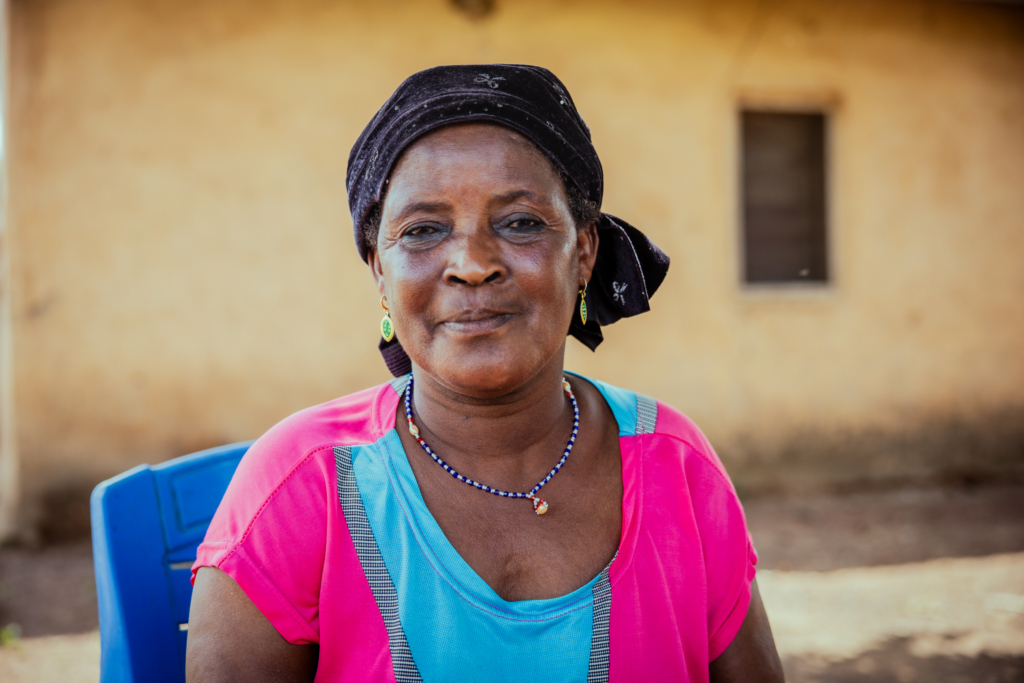
Poona Nantogmah, in her fifties, has been living in Kukuo camp for eight years. She gave birth to six children, three of whom died.
“At the beginning I was happy in my community. I was living with my husband and some relatives of his. We had a good relationship with our neighbours.
One day, I gave my 13-year-old niece groundnuts, and then she was sick. They took her to the hospital. A few days later, it was confirmed that she had yellow fever, but I had already been accused by the regent, the acting son of the deceased chief. My brother went to the police, and they escorted me out of the community preventing me from being lynched. I agreed to leave with them. I didn’t hesitate.
I could not contradict the regent, as the community belongs to the chief. My husband couldn’t say anything to defend me because it was the decision of the chief.
I decided to stay here because in my community they would accuse me again and hurt me. I’m not thinking of going to any other community either because if they know that I am coming from Kukuo camp they will re-accuse me.
Life is not easy here, but the camps should not be closed. We want these communities to exist. With an Anti-Witchcraft Accusations Bill, the government would be dealing with the accusers and preventing other people from being accused. I really hope that they will pass the bill.”
“The bill will save the ones who could be accused in the future”
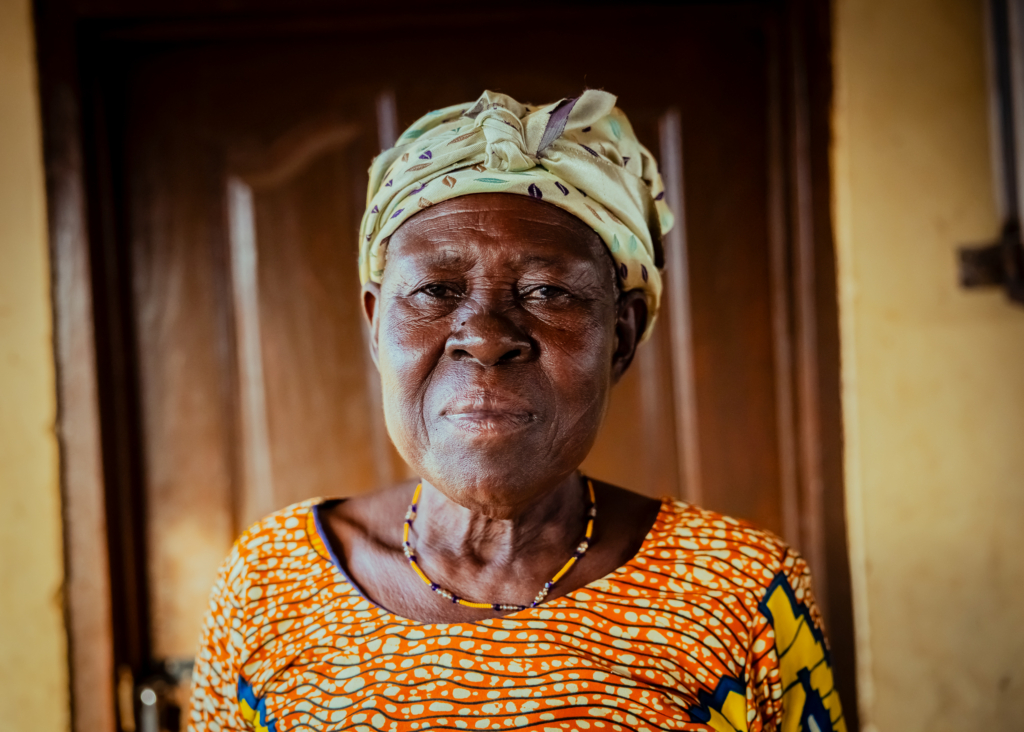
Now in her sixties, Salifu Zelia came to the Kukuo camp as a child. Her brother and her children visit her every two or three years. She met her husband outside the camp while she was out looking for food for her grandmother. She went to live with her husband, and 20 years later, after being accused of witchcraft herself, she returned to Gnani, where she was reunited with her grandmother.
“I first came here as a little child with my grandmother. If you accompany a loved one accused of witchcraft, everyone will think you’re a witch yourself. I’m scared to go back to our village because I remember what happened. However, I wouldn’t mind going to another community.
I have to provide for my seven grandchildren who live with me. I’m always worried about what we are going to eat. During harvest time we manage to get some food and we sell firewood, but it is not enough. We all sleep together on mats in the same room. To get water when it’s not rainy season, you need to ascend a mountain. It is a two-hour walk. Life here is pathetic.
I personally do not believe in witchcraft accusations. A jealous person in a community can do everything to expel another person.
The Anti-Witchcraft Accusations Bill will ensure that accusations are made illegal. I hope the government will pass the bill. It will save the ones that could be accused in future.”
“They don’t want me at home”
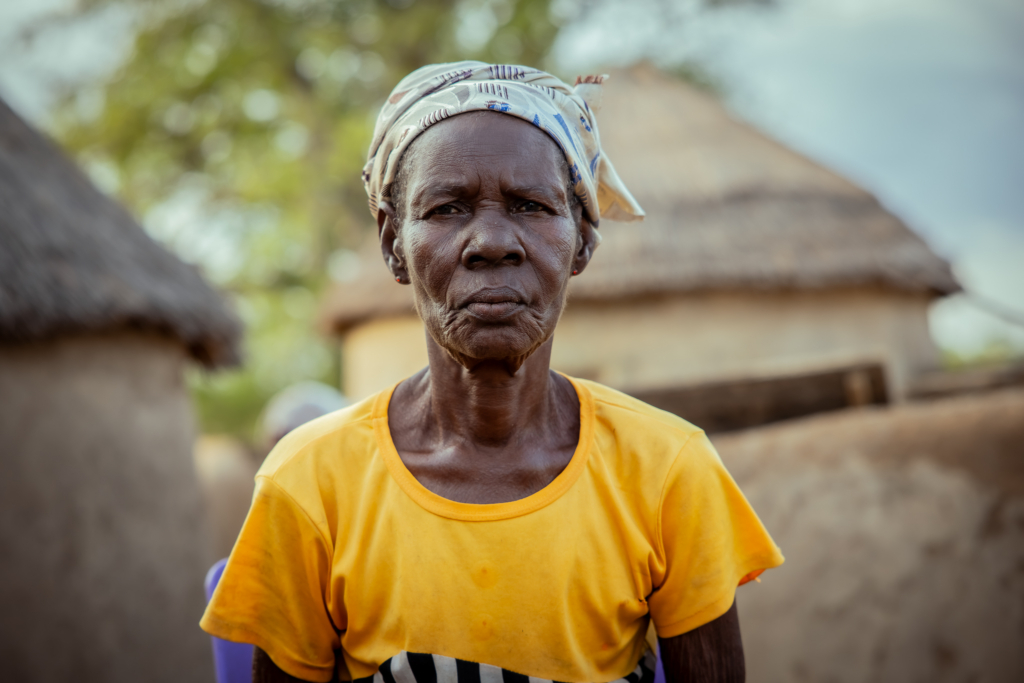
Migniba Bingsung, in her seventies, has been in Gnani camp for over 30 years. She gave birth to eight children, four of whom died.
“My husband had three wives. Looking back, I don’t know if I was really happy there with my husband’s family because after he died, they were not nice to me and accused me of his death.
They asked somebody to sack me from the house, saying that our children would die if I stayed. I was assaulted the day I was leaving. I left without taking anything. My children stayed.
I came to Gnani and the Chief performed the purification process. The ceremony said that I was not a witch. Then, I decided to go stay with my mother and my brothers in another village. I stayed with them for some time, but my uncles wanted me to leave from there too. One day, they came with other people and beat me with sticks. I saw my mother crying. I had to spend three days in the hospital, and I came back to Gnani.
In total, I have had three purification ceremonies, all three said that I was innocent. However, I decided to stay here to avoid being re-accused.
One of my brothers was also accused of witchcraft. He came to Gnani for purification but in the end, he decided to stay.
They accused me of so much that I don’t miss anything from my previous life. They do not want me at home. Everywhere I go, they sack me, so I’ll stay here.”
“What happened to me should not happen to the next generation”
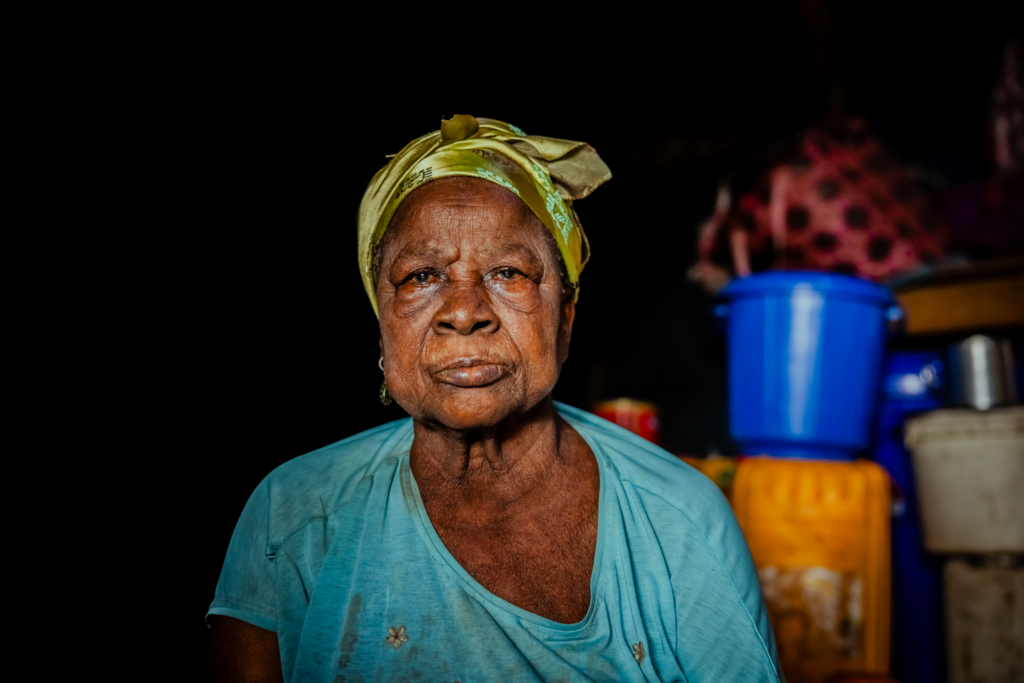
Mariama Wambie is around 90. She arrived in Kukuo around 1994 amid internal conflict over land ownership in Northern Ghana, leading to killings and internal displacement. A former seller and farmer, she gave birth to eight children. One of her grandsons and his family live with her.
“Every day I have new pains. I am not able to leave the house. I cannot walk. A doctor came; I told him not to come back because if death comes at my age, I’m comfortable.
In the 1980s, a conflict between Konkombas and Nanumbas [two tribes] broke out in our region. My aunties and my uncle were killed. At the time, there were two contenders looking for that same title [of chief]. This is when I was accused. The man who won the chiefdom said I needed to go or else something bad would happen to me. My husband said that it is better for me to go and stay alive. I ran away with my children.
Women have limits that they can reach in our communities. If they go beyond that, that’s when accusations happen. I had one friend in my village… They accused her and tortured her to death.
Since I was first accused, I have heard that the government fights in favour of people that are accused. I am speaking on behalf of the youth. What happened to me should not happen to the next generation. The authorities should advocate for accusations to be banned so women would have peace. They should come out and empower women.”