
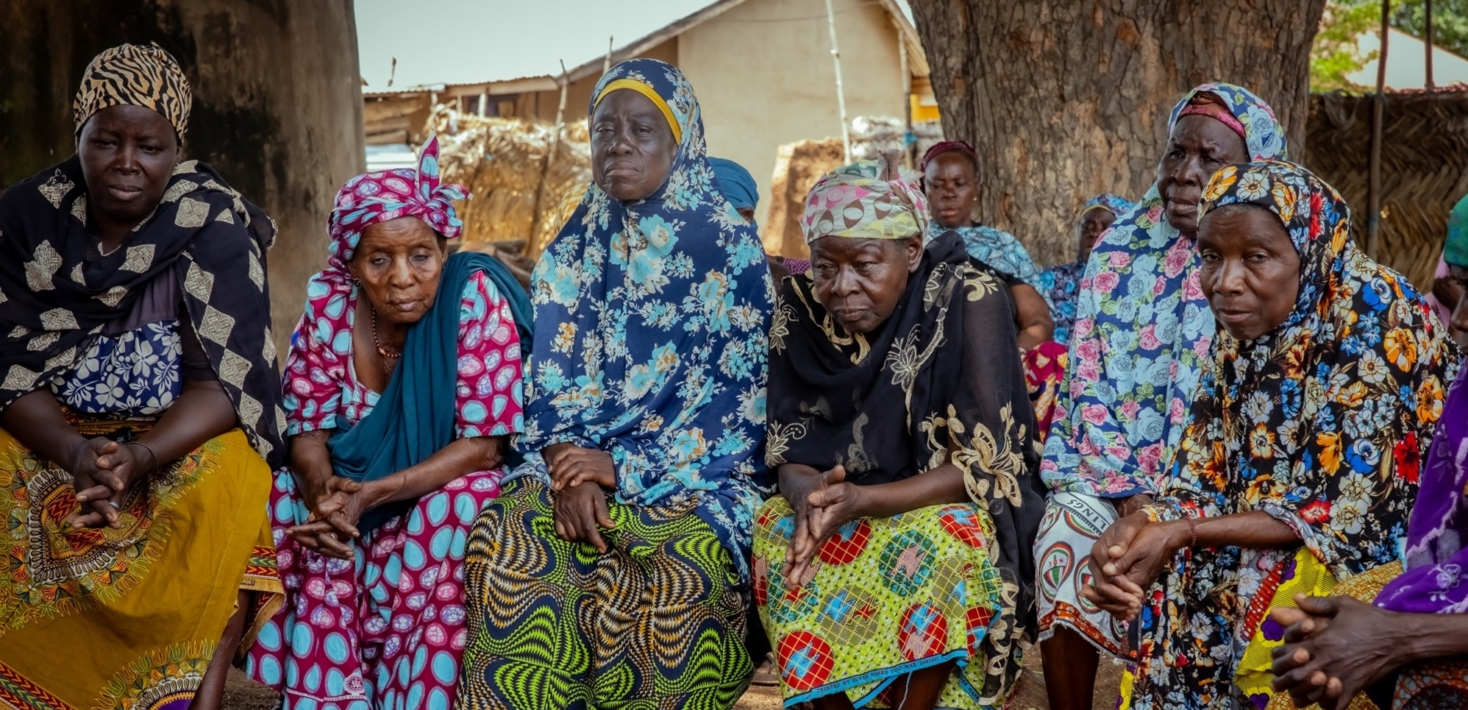


Ghanaian authorities have failed in their duty to protect hundreds of victims of witchcraft accusations by delaying passing the Anti-Witchcraft Accusations Bill, said Amnesty International, six years after Akua Denteh was beaten to death, triggering outrage nationwide.
On 23 July 2020, 90-year-old Akua Denteh, accused of being a witch, was lynched to death in front of a crowd of people in her home village of Kafaba, in the Savannah Region, in Northern Ghana. The two women who were seen beating Akua in a video were sentenced to 12 years in prison in 2023 for manslaughter. Hundreds of other women who have been accused of witchcraft have been forced to flee their communities fearing for their lives.
“Akua’s case is just one of the heart-wrenching examples of the dire consequences of witchcraft accusations. This tragic anniversary is a stark reminder of the urgent need to prevent further atrocities and ensure that innocent lives are protected”, said Lamnatu Adam, Executive Director of the non-governmental organization Songtaba, partner of Amnesty International.
A deeply rooted practice leading to suffering and violence
Witchcraft accusations usually start within the family or among community members, following a tragic event such as an illness or a death. Older women living in poverty, with health conditions or disabilities are at greater risk of being accused, as well as women who do not conform to stereotypical gender roles.
Women accused of witchcraft have no safe place to escape to other than camps overseen by religious leaders. Although the camps offer shelter, the living conditions are inadequate, as documented in Amnesty International’s 2025 report, “Branded for Life”.
The Ghanaian authorities must no longer delay protection, justice and reparations for women accused of witchcraft.
Hannah Osei, Interim Country Director of Amnesty International Ghana
While the belief in witchcraft is protected under international law, harmful practices that stem from the belief are not, and those impacted need protection and reparation.
“Witchcraft accusations and related abuses infringe on a person’s right to life, to security, and to non-discrimination, and must be criminalized,” said Lamnatu Adam.
Specific legislation needed to protect the victims
The Anti-Witchcraft Accusations Bill was passed by parliament in July 2023. The bill sought to make it illegal to accuse individuals of witchcraft, establish protective measures and support systems for those who have been accused, and provide a clear legal pathway for victims to seek justice and compensation. It was not signed into law by former President Nana Akufo-Addo, who cited constitutional concerns, as it was introduced as a private member’s bill, instead of a government own bill. Since then, no bill has been reintroduced to parliament.
“The Anti-Witchcraft Accusations Bill passed in July 2023 was a significant step towards protecting victims of witchcraft accusations. The Ghanaian authorities must no longer delay protection, justice and reparations for women accused of witchcraft. We believe that the bill, once adopted, could significantly enhance the protection of human rights in Ghana. It will also align Ghana with international human rights standards,” said Hannah Osei, Interim Country Director of Amnesty International Ghana.
Ghana ratified the Convention on the Elimination of All Forms of Discrimination against Women (CEDAW) in 1986 and the Convention on the Rights of the Child in 1990. Both Committees defined accusations of witchcraft as a harmful practice.
Aishetu Magi, a resident of the Gambaga camp housing women accused of being witches, said to Amnesty International: “If we had had a bill in place when this happened to me, I would be at home right now, looking after my grandchildren.” Poona Nantogmah, a resident of another camp, the Kuoko camp, said: “With a bill, the government would be dealing with the accusers and preventing other people from being accused. I really hope that they will pass it.”
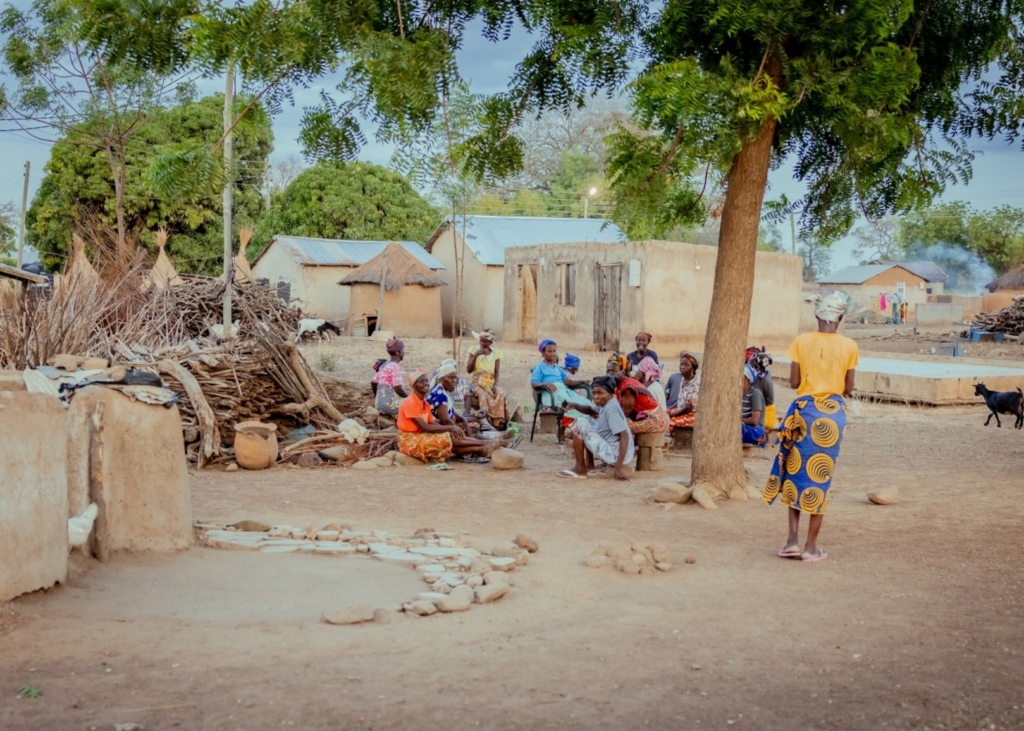
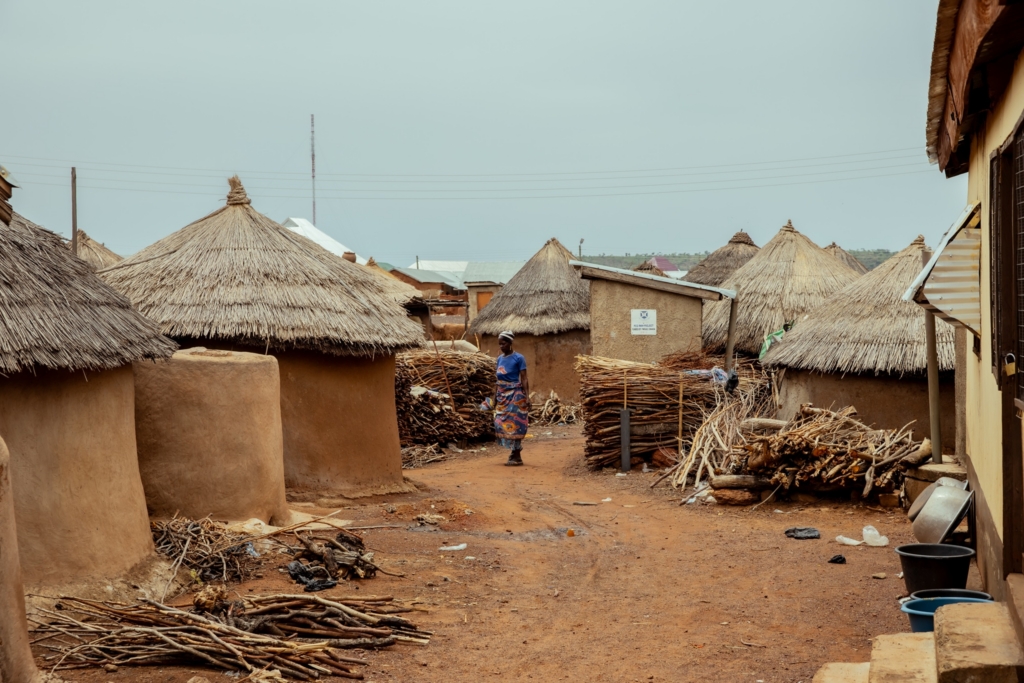
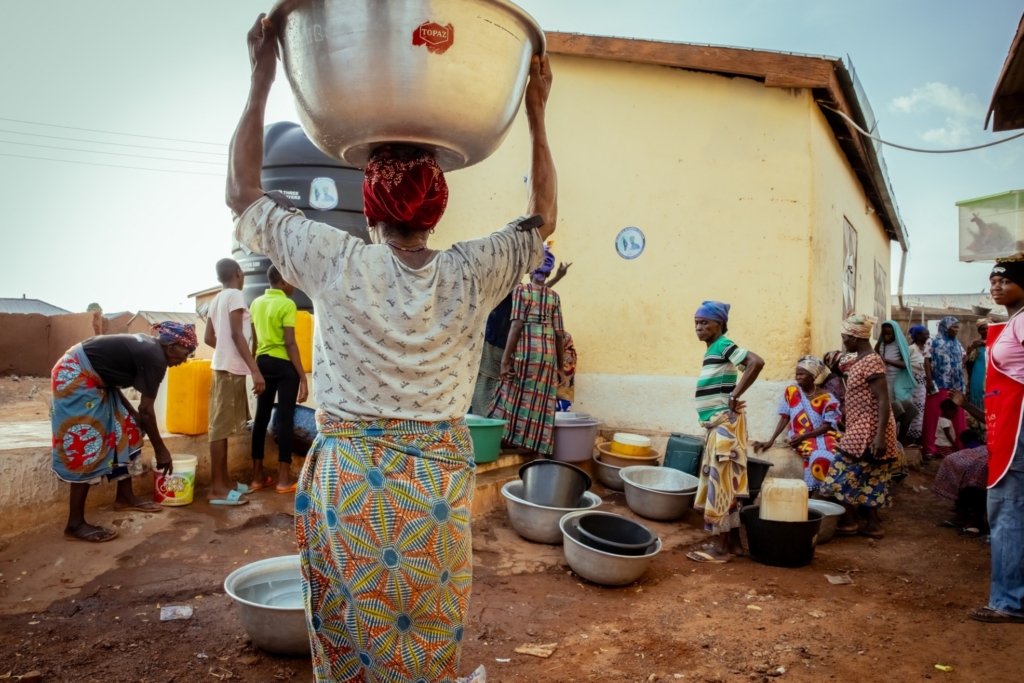
Gnani camp (left) and Kukuo camp in northern Ghana. ©Malick Faye/Amnesty International
Root causes must also be addressed
Criminalizing witchcraft accusations alone would not resolve the issue. While some sensitization initiatives have been conducted by NGOs and at the local government level, they are not enough to comprehensively combat stereotypes linked to witchcraft accusations.
“We urge the adoption of a holistic approach that addresses the root causes of the abuses including social and economic reintegration programmes, along with protection and reparations to persons who suffered abuses due to an accusation,” said Hannah Osei.
“The government should establish a properly resourced long-term national awareness campaign challenging cultural and social practices that discriminate against women and older people, including witchcraft accusations.”
Background
In an April 2025 report, Amnesty International documented the situation across four informal camps where hundreds of people accused of witchcraft, primarily older women, were living with insufficient access to health services, food, safe housing, clean water and economic opportunities.
Amnesty International gathered new testimonies of victims living in three camps in April and May 2026.
A petition started by Amnesty International in November 2025 calling for the adoption of the Anti-Witchcraft Accusations Bill has already gathered nearly 19,000 signatures.