


For decades, hundreds of women in the north of Ghana have been accused of witchcraft—a label that has stripped them of their homes, families, and dignity. Branded as outcasts, many are banished to remote camps where they endure extreme poverty, inadequate shelter, and limited access to food, clean water, and healthcare. A new report by Amnesty International, Branded for Life: How Witchcraft Accusations Lead to Human Rights Violations of Hundreds of Women in North Ghana, exposes the systemic failures that leave these women trapped in cycles of abuse and neglect.
A LIFE SHATTERED BY ACCUSATIONS
Witchcraft accusations often arise from tragic events—a death, an illness, or even a dream. But behind these claims lie deep-seated discrimination against older women, widows, and those who defy traditional gender roles. Many accusations are fueled by jealousy, land disputes, or the desire to rid families of “burdens.”
Zeinab Mahama’s mother, Akua Denteh, was lynched in 2020 after being accused of witchcraft. A video of her brutal killing sparked national outrage, yet attacks continue. “They beat her for an hour, demanding she confess,” Zeinab recalls. “The next day, they killed her.”
Others, like Wuni Kolgu, flee to camps to survive. After being accused by her own family, Wuni sought police help, but officers dismissed her. “If I had stayed, they would have killed me,” she says.
CAMPS OF DESPERATION
The camps are not shelters but places of last resort. Women live in crumbling huts, struggle to find food, and walk hours to fetch water. Many rely on charity or meager government aid, which arrives irregularly.
Zina, a 70-year-old in Kukuo camp, survives on scraps. “I fast until someone shares food,” she says. “Nobody takes care of us—not even the government.”
Health care is scarce. Tidal, a resident of Gnani camp, suffers from untreated high blood pressure. “Doctors write prescriptions, but I can’t afford the medicine,” she says. Mental health support is virtually nonexistent, leaving many women traumatized. Lariba Yakubu, who contemplated suicide, says, “The pain of being accused of killing my own son was unbearable.”
STATE INACTION AND BROKEN PROMISES
Despite international obligations, Ghana’s government has failed to criminalize witchcraft accusations or protect survivors. A 2023 bill to outlaw such abuses was rejected by the president, leaving women vulnerable. Police rarely investigate attacks, and shelters for survivors are scarce.
“These women are abandoned twice—first by their communities, then by the state,” says a researcher.
VOICES FROM THE CAMPS: STORIES OF SURVIVAL AND RESILIENCE
Behind the statistics and legal frameworks are real women—mothers, grandmothers, and daughters—whose lives have been upended by accusations of witchcraft. Their stories reveal the deep trauma of banishment, the struggle for survival, and the resilience that keeps them going.
Watch these six (6) videos to know more about their stories
Read their stories today
Mariama—in the Kukuo camp since 1994
“I miss a lot [about Tagnamo]. I had everything. I was harvesting shea butter and nuts. Back then, money was coming in, I could possess a lot of things, sell things and make money. Now, if someone doesn’t feed me, how would I eat? Sometimes I think of the old days, and I shake my head.
Life here is comfortable. When I was strong and living in Tagnamo, it was better. Here, my family come and take advice from me on Fridays. Those around here, they come every day, but in my culture, when someone comes to visit you, you come to visit next, but I cannot do that anymore.”


Fushiena—in the Kukuo camp since 2014
“I lived [in Woribogu] with my older brother and his children then one of his sons died and he said that I was the one who killed him through witchcraft. I was there that day when the boy got sick. We rushed him to the hospital. But he was pronounced dead there. I never had any quarrel with him. He was like my own son.
My brother put me in this trauma, and I will never forgive him.”
Yamina—in the Kukuo camp since 2020
“I had a co-spouse. She was living with us. Her children stopped going to school and my co-spouse blamed me for her children not having education. She has 3 children (2 girls and 1 boy). I used to raise her children as well.
My children were very focused on their studies. Her children didn’t like studying and she said that I had done something to do with that.
One of [my co-spouse’s] daughters gave birth to a baby that died when he was 3 years old. She consulted a spiritual guide to see why the baby had died and the spiritual guide told her that I was responsible of the death of the baby.
My husband told me that the spiritual guide told him that I had to leave the house and that we couldn’t be together otherwise one of us will die.
I met with the chief of my community. He said the best thing to do was to leave the community.
I don’t know why this happened to me. They just hated me with no reason. I think that sometimes people can hate you if you are hardworking and I was.
I saw my husband in Bimbila. Now my husband is walking with canes. He is sick. I visited him at the hospital. He asked me to go back home to take care of him and I said no. He caused me a lot of pain. He didn’t say anything to defend me. I know he feels guilty. He tried to apologize, but it didn’t work out because I refused the apology.”
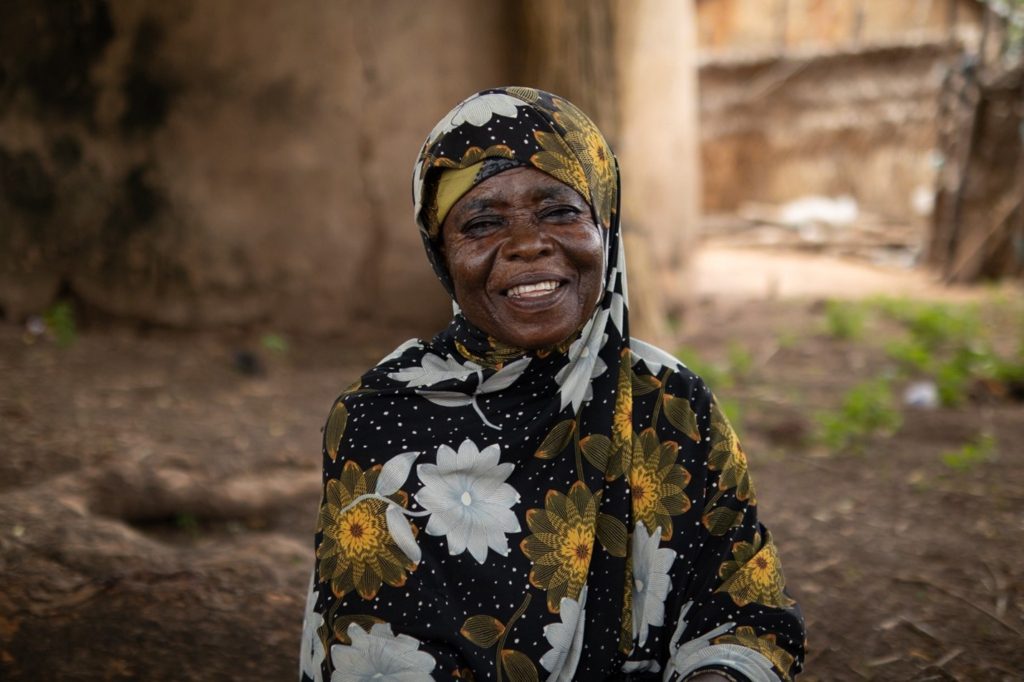
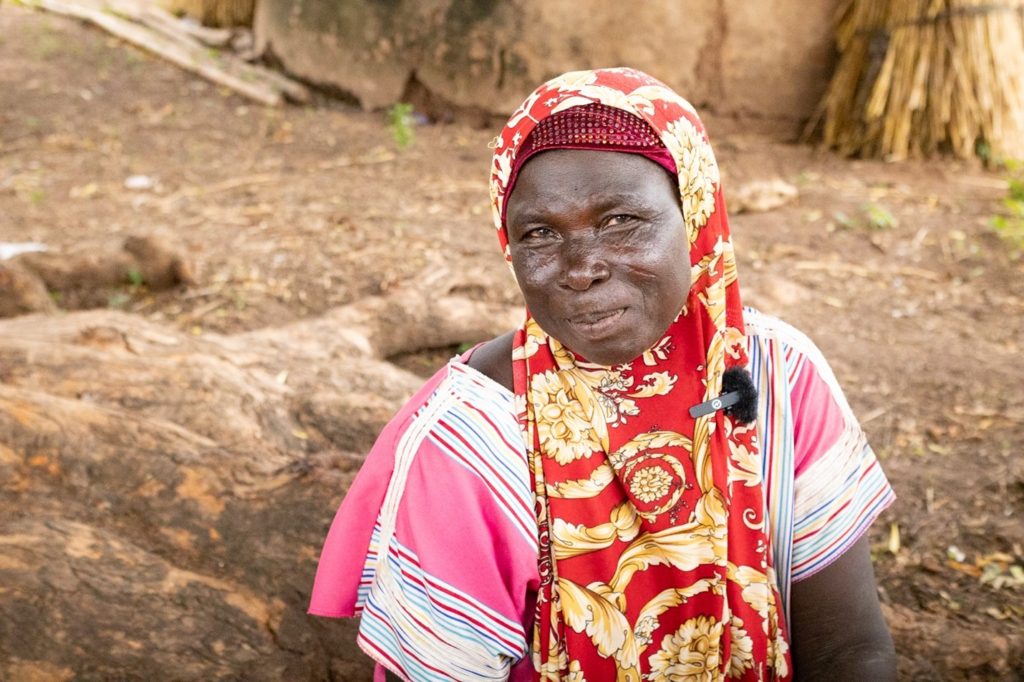
Awa—in the Kukuo camp since 2019
“When my husband was alive, I enjoyed life in the community. When my husband died things changed. I had a good relationship with my neighbors. I was just enjoying life. I also had a good relationship with my family.
After my husband died, my son also passed away and then another family member was ill. My husband died of normal sickness and my son had problems with his legs. He had difficulties moving. He fell and he died. They died less than 2 months apart.
My husband’s brothers are the ones that accused me of witchcraft.
They damaged my image in the community saying that I was a witch. They used to say, ‘Look that woman. She is not good. Keep way from her otherwise she will do something to your children.’
I had to make a decision about moving out of the community because I didn’t find it easy living there anymore. I couldn’t sleep. My freedom was very limited. I couldn’t go to gatherings. The discrimination was very tough.
After the accusation I was very depressed. It was the first time that I heard about witchcraft, and I thought, ‘why me?’ I don’t know why they accused me.”
Lariba—in the Gambaga camp since 1999
“I used to have a good relationship with the community, until everything started.
With my efforts I managed to build a 5-rooms building with bricks. This is when the jealousy started.
One of my nieces from Namong was accused of being a witch. I decided to host her in one of these rooms. It was then that the problem started.
My younger brother’s son asked me: ‘Why are you giving a room to a witch? You must be doing this because you are also a witch. In addition, I have also seen you in my dreams. You are a witch.’
At first, I thought it was a joke.
The day after he accused me, he came to pick me up with 3 of his friends. They took me to my brother’s house in a suburb of my community and brutalized me for 2 days. I was beaten with sticks.
After that, I went to my mother’s community in Nakbanduri. I was there for 3 months. I was told that the tensions in Gbentiri had calmed down.
When I returned to Gbentiri, I met my accuser, and he accepted that I was innocent, but his mother told other members of the community that I was a witch. That’s when I decided to run to the camp on my own.
I tried to go back to my community 3 times, but my accusers never gave me peace.”
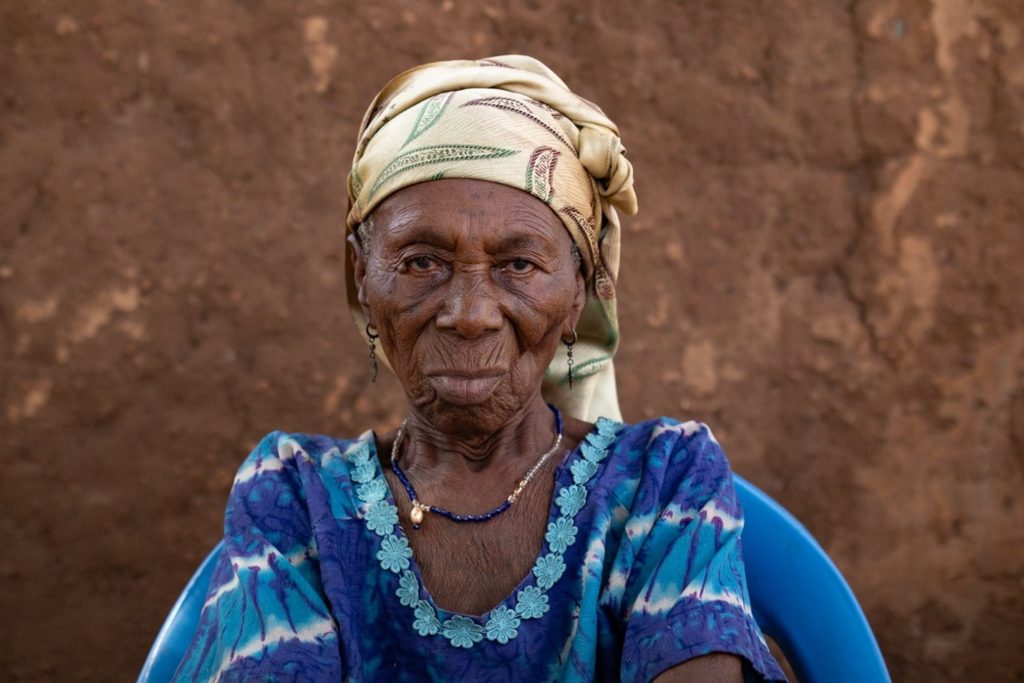
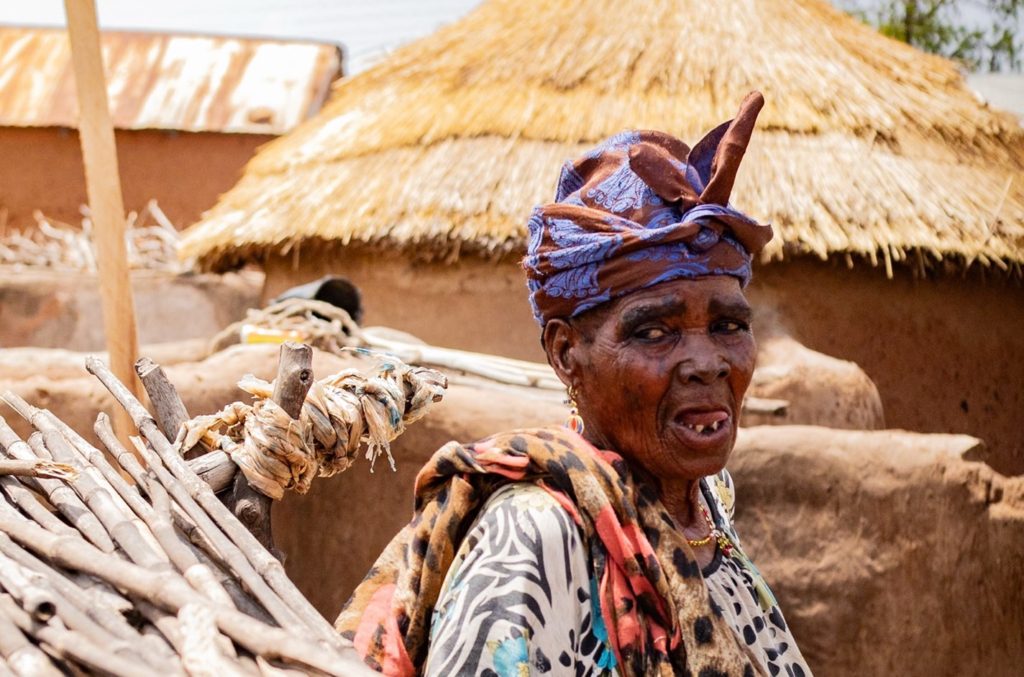
Wuni—in Gambaga since 2013
“I just want to go home.
I was a petty seller and preparing porridge. I was making a lot of profit from my business.
My life there was perfect, but I had to leave because I was about to be lynched. Before I was living happily with my family and my community members.
One day, my auntie’s granddaughter said that she had seen me in her dreams being a witch.
She reported her dream to my husband’s eldest brother. He went to meet with the Chief of the community and the Chief told them to send me to Gambaga. But I went home. My accuser’s brother came home with a bicycle chain and beat me in my house.
I reported the incident to the police, but they were reluctant to do anything.”
Tidal—in the Gnani camp since 2012
“Since they have rejected me, I have come here. I am a woman. I don’t have any power. If they say I should go, I will go.
I ask the children to go to the river and fetch water for me. I give them money for the water. An organization came and set up tanks for water and we [would] fetch water from there [when it worked].
When I was strong, I used to help with farming; now I am too weak. My children bring me food. As I am sitting here, I am sick, I don’t have food to eat.
My waist is hurting. I cannot stand up. I have some rashes on my body. I have high blood pressure. There are doctors, but when I go there and he writes me a prescription, I cannot afford it; so, I have to take the prescription and leave it at home.”
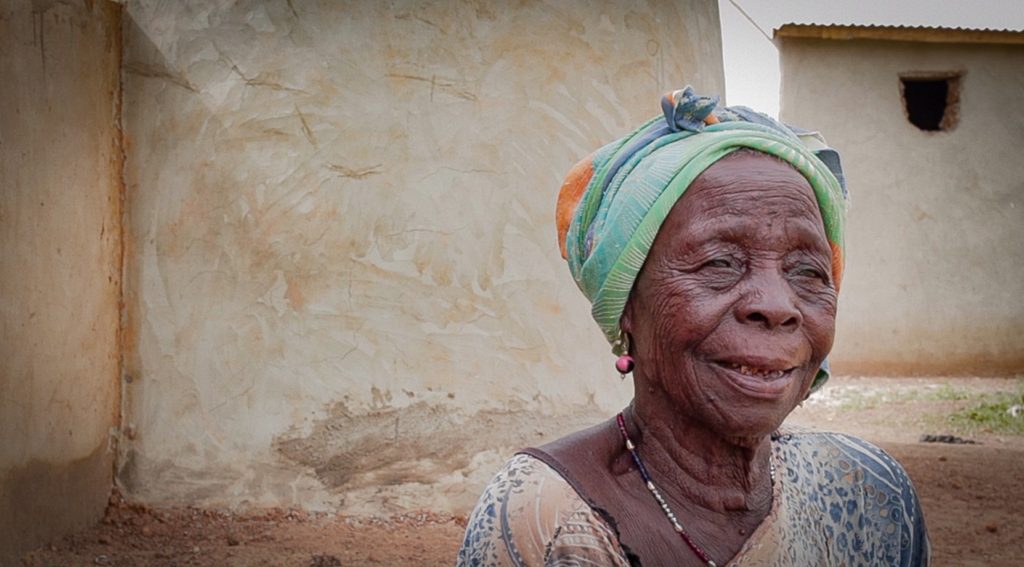
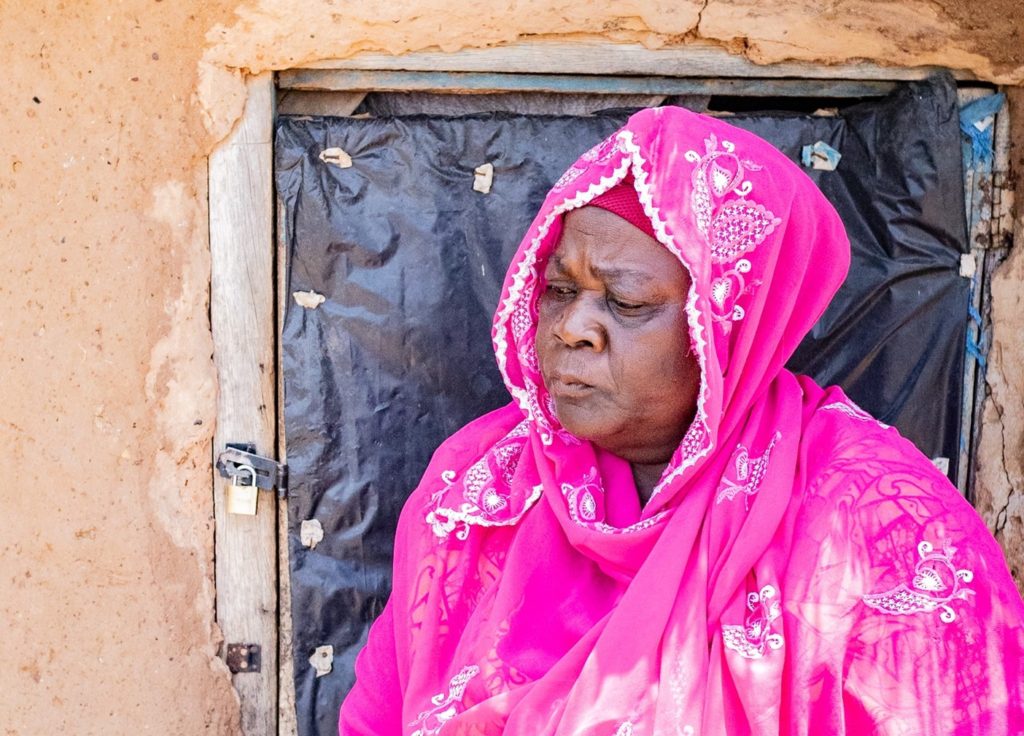
Zumera—in Gambaga since 2014
“After the accusation, I developed high blood pressure.
I didn’t report my case to the police. I don’t know if my family reported it. After the accusation, I lost part of my memory.
When I arrived at the camp 10 years ago, I was troubled, but now I’m fine. Until my people come to pick me up, I will stay here.
I came to Gambaga with just two outfits. People from this town supported me. A neighbour gave me some dresses that I had to modify. They have given me used clothing. Everything I wear is a gift.”
Asia—in the Kukuo camp since 2021
“I was born in Tindang. I was living in Woribogu before coming here.
I was working. I was doing petty trading, selling food like wasawasa and ground nuts.
I used to like living there, but now not anymore. When you are in a community and they ask you to leave immediately, no matter how much love you have for this community, it vanishes.
Two of my children are here. One came at about 11 years old, the other one a boy, is about three years younger.
I have no work here. When someone harvest, they invite me and then they give me something. That’s how I get food for me and my children. “
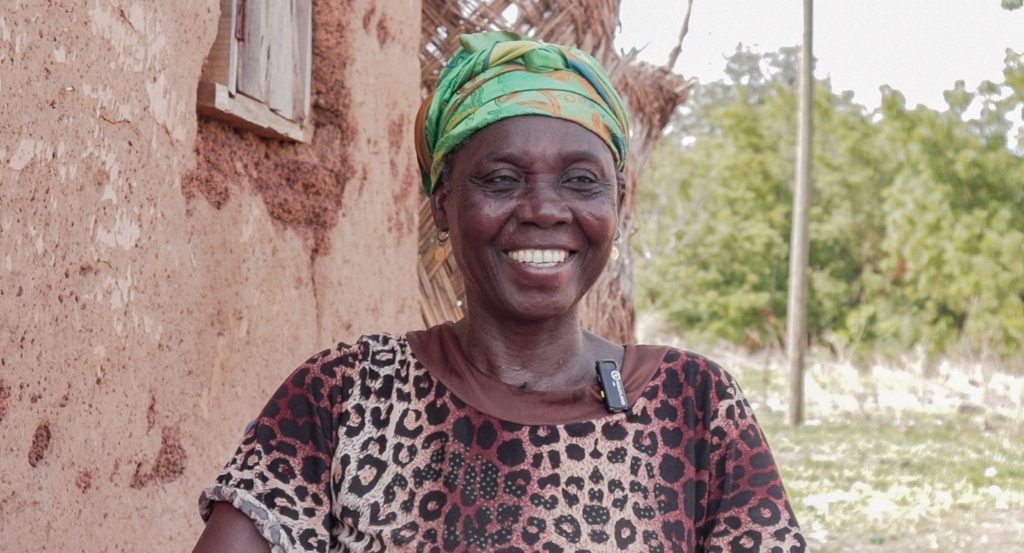
A Cycle of Fear and Abandonment
These women are not alone. Hundreds more live in Ghana’s camps, their stories echoing the same themes: betrayal, violence, and systemic neglect. Many are elderly, disabled, or widowed—easy targets in communities where poverty and superstition collide.
Yet, amid the suffering, there are glimmers of hope. Some women, like Mariama*, have been successfully reintegrated into new villages with NGO support. “I have a home again,” she says. “But many are still waiting for their chance.”
Their Lives Should Not Be Defined by a Lie.
No one should be forced to live in fear because of an accusation. Ghana must act now to end this injustice.
Read their full stories in our report Branded for Life and join the call for justice.
Names marked with an asterisk (*) have been changed to protect their safety.