
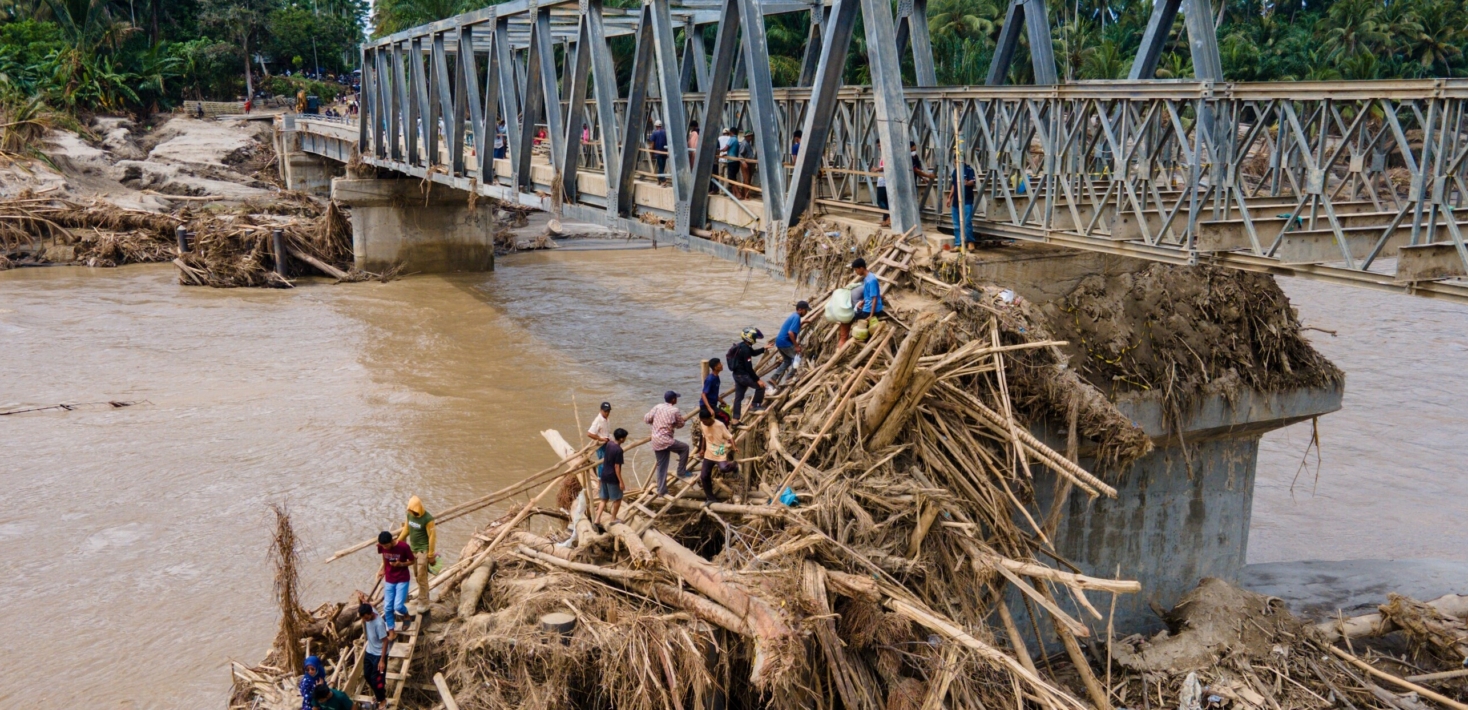


One year after catastrophic floods and landslides devastated Indonesia’s Aceh province, many survivors remain without adequate housing, continue to struggle to access promised support and now face renewed flood risks from this year’s rainy season, Amnesty International said in new research published today.
Amnesty’s briefing, A Continuing Crisis, found that many communities affected by the November 2025 disaster are still living with the consequences of inadequate response and recovery efforts. Many families remain in temporary shelters, damaged homes and makeshift accommodation, while reconstruction has progressed slowly and many survivors remain uncertain about what support they are entitled to receive.
“For the survivors in Aceh, this disaster did not end when the floodwaters receded. A year later, many families are still waiting for the housing and support they were promised by the Indonesian authorities,” said Montse Ferrer, Co-Regional Director at Amnesty International.
“But not only has this crisis been allowed to continue; it has the potential to get worse. The government’s unforgivably inept response to the floods of 2025 has now left people in Aceh facing another rainy season while key recovery work from the last disaster remains unfinished.”
In late November 2025, exceptionally heavy rainfall associated with Tropical Cyclone Senyar triggered floods, flash floods and landslides across Aceh and neighbouring provinces of North Sumatra and West Sumatra. The disaster affected 53 districts and cities, killed 1,204 people and displaced more than 880,000.
“I have lived through four crises – the Aceh conflict, the tsunami, Covid and these floods. Out of them all, I feel this is the worst.”
A flood-affected resident of Aceh
Amnesty International researchers visited more than 40 villages and spoke to 35 people across three of the worst-affected regencies in Aceh and found widespread evidence that reconstruction and mitigation for future floods remains incomplete. Researchers observed damaged homes, destroyed agricultural land, unrepaired infrastructure and communities continuing to rely on temporary water sources.
One affected resident told Ammesty: “I have lived through four crises – the Aceh conflict, the tsunami, Covid and these floods. Out of them all, I feel this is the worst.”
Permanent housing remains out of reach
Indonesia’s government announced multibillion-dollar plans for rehabilitation and reconstruction across the affected provinces. Yet official figures show that only 649 of the 34,777 permanent homes required in Aceh had been completed by September 2026.
Across the villages visited by researchers, Amnesty International did not encounter a single family whose replacement home had been completed. Many survivors remained in temporary housing or accommodation provided by relatives and friends. Most had no information about when permanent housing would become available.
In more than 15 temporary housing sites visited by Amnesty International, researchers found problems including chronic overcrowding, inadequate access to clean water, damaged or unusable toilets, poor lighting, and shelters that became dangerously hot during the day.
In one settlement, families of five or six people were each living in single-room structures made from tarpaulin, timber and corrugated metal sheeting. Residents reported that entire families, including teenage children, were forced to share a single room and rainwater often entered their homes.
One woman told Amnesty International that conditions in temporary accommodation had forced her son, who has multiple disabilities, to live separately from the family because the shelter and sanitation facilities were too hard to access for him.
Communities left vulnerable as flooding returns
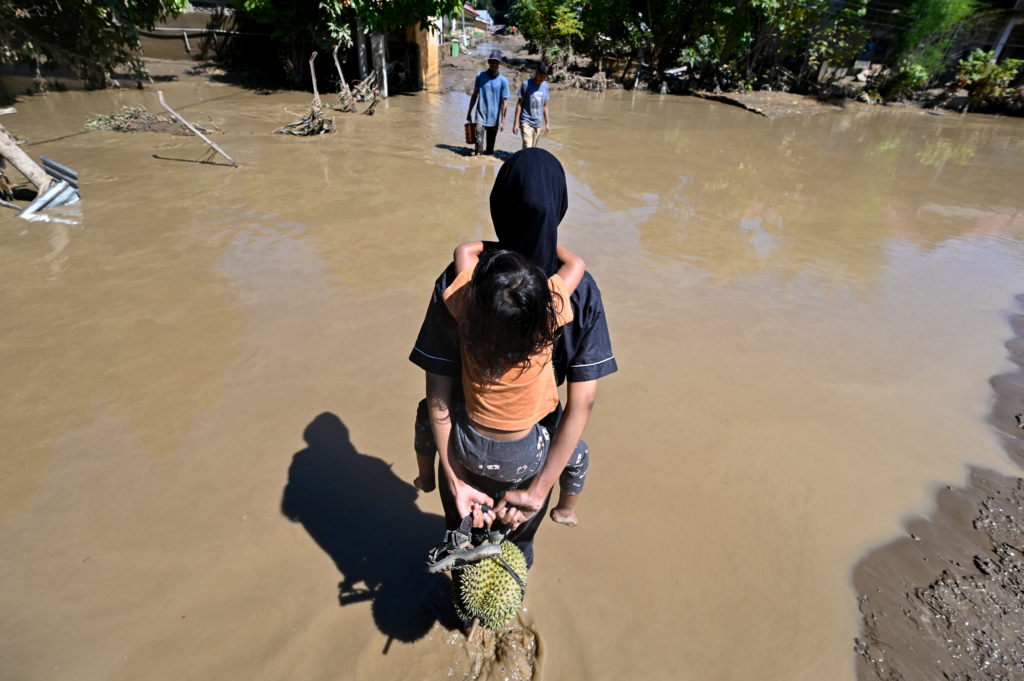
Amnesty International’s research also raises concerns about failures during the emergency response itself. Survivors described receiving little or no warning before floods and landslides struck, while others said communities were forced to rely on volunteers, neighbours and social media rather than official channels during the critical early days of the disaster.
One woman from Langkahan district said: “The water level was not rising despite the rain, so I thought it was going to be OK. But then, all of a sudden, we had the flood. Water was flowing in from four sides and very quickly there was water up to the window of my house.”
With little evidence that Indonesian authorities have improved flood-response capabilities over the past year, the return of heavy rains was a particular cause of anxiety. According to information reviewed by Amnesty International, dozens of floods were recorded in Aceh between April and October 2026, while flooding again affected thousands in November 2026.
These concerns are exacerbated by severe budget cuts currently affecting disaster-management authorities, which are hampering recovery and flood-mitigation efforts, along with allegations that disaster-management funds have been misused at both the local and national level. Amnesty is calling on the government to ensure that any corruption or mismanagement linked to disaster response and recovery is fully investigated and those responsible held to account.
“As Aceh faces another rainy season, it is deeply concerning that many people remain in inadequate temporary accommodation while the work needed to reduce future flood risks remains incomplete,” said Malavika Vartak, Amnesty International’s Researcher on Economic, Social and Cultural Rights.
“The authorities must urgently accelerate the delivery of adequate permanent housing, ensure survivors receive the assistance they are entitled to and strengthen measures to protect communities from future disasters.”
Background
Amnesty International conducted research between July and October 2026, including visits to more than 40 villages in Pidie Jaya, Aceh Tengah and Aceh Utara. Researchers interviewed affected residents, community activists, volunteers and civil society organizations, and visited temporary housing sites and disaster-affected communities across Aceh.