
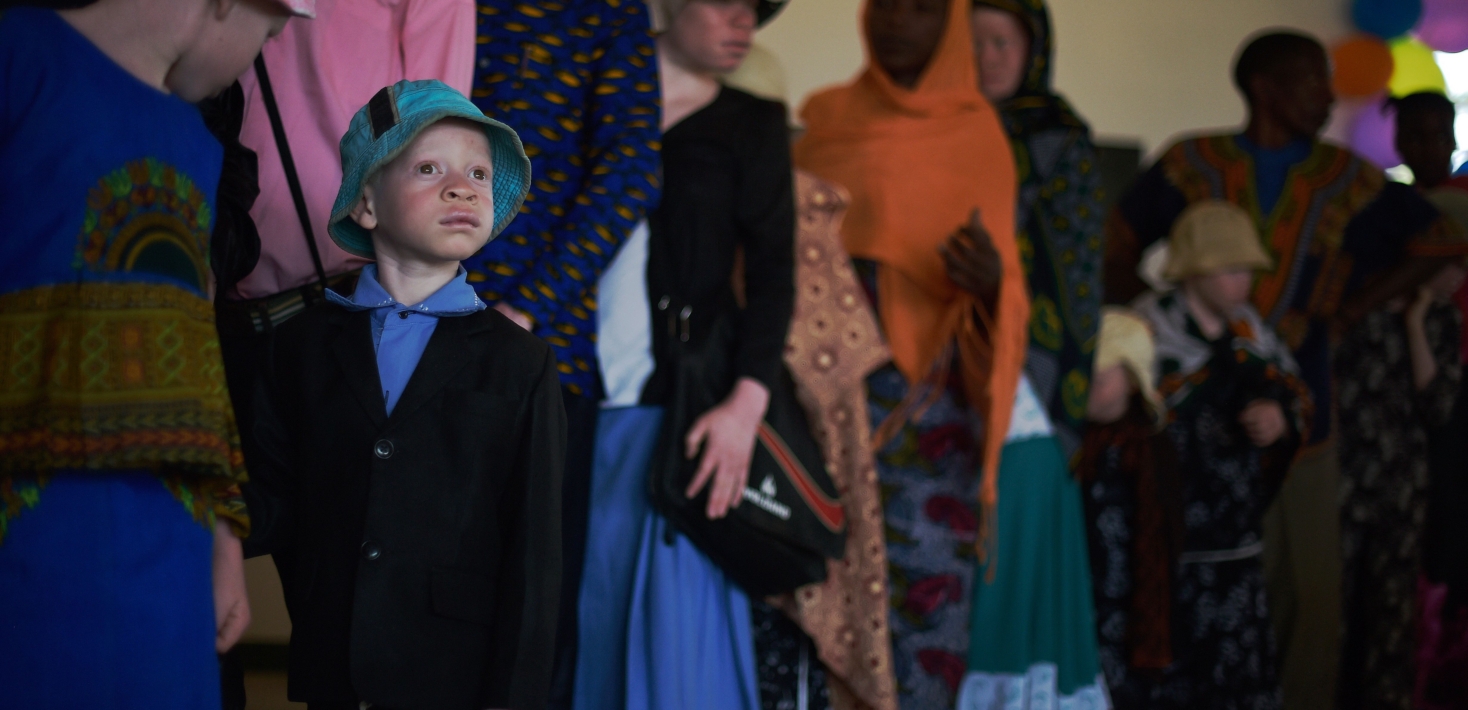


Persons with albinism in Tanzania have historically suffered multifaceted discrimination in various spheres of society. They have often been attacked, killed, hunted for body parts, or mutilated. Children have been specifically abducted or killed for the purposes of sale of their person or their body parts. In 2018, three NGOs, the Centre for Human Rights (CHR), the Institute for Human Rights and Development in Africa (IHRDA) and the Legal and Human Rights Centre (LHRC), brought a complaint regarding this situation.
On 5 February 2025, the African Court issued its judgment.[1] The Court found that Tanzania had done little to address issues faced by persons with albinism. It should have put effective protective measures in place, punished those responsible for crimes against persons with albinism, and it should have undertaken awareness-raising campaigns to combat the root of the stigma, that is the myths and stereotypes relating to albinism. Furthermore, the Court recognized that persons with albinism have a skin condition which mean that they need sunscreen, wide hats and sunglasses for their survival, and that they suffer psychological harm due to the abuses, seclusion, fear, and the discrimination they live with. In this regard, not only was Tanzania not providing them with basic needs for their physical and mental health, but they also faced discriminatory attitudes which impeded further their access to medical care.
With regards to the situation of children with albinism, Tanzania had established shelters to avert attacks against them. Nevertheless, the Court found that these shelters were not appropriate: the long term separation of parents and the conditions in the shelter were harmful to children. Children also faced difficulties in schools as their basic needs (such as glasses, large print, and extra time) were not accommodated. The Court concluded that Tanzania should have taken more and better measures to protect children with albinism from trafficking and ensure they have access to education.
To remedy this plethora of violations,[2] the Court ordered Tanzania to undertake a comprehensive list of measures to be taken within 2 years, including establishing a compensation fund to identify victims of attacks and compensate them, amending existing laws in order to criminalize violence targeting persons with albinism as being committed under aggravated circumstances, promulgating a national plan raising awareness on the myths regarding albinism, and taking measures to address children’s needs in shelters and schools and reuniting families.
This decision is groundbreaking as it marked the first time that the African Court examined the situation of persons with albinism, whose lives are in danger and whose rights are being violated in many places of the continent, beyond Tanzania. The judgment can be a powerful step to improving their situation in Africa, by providing detailed guidelines for all African states on how to protect the rights of persons with albinism in conformity with their obligations under the African Charter.
[1] Judgment, Centre for Human Rights and Others v. Tanzania, 5 February 2025, Application 019/2018
[2] Violations of articles 2 (right not to be discriminated against), 4 (right to life), 5 (right to dignity and freedom from torture), 16 (right to health), and 17 (right to education) of the African Charter and violations of articles 4 and 29 the African Charter of the rights and well being of the Child