
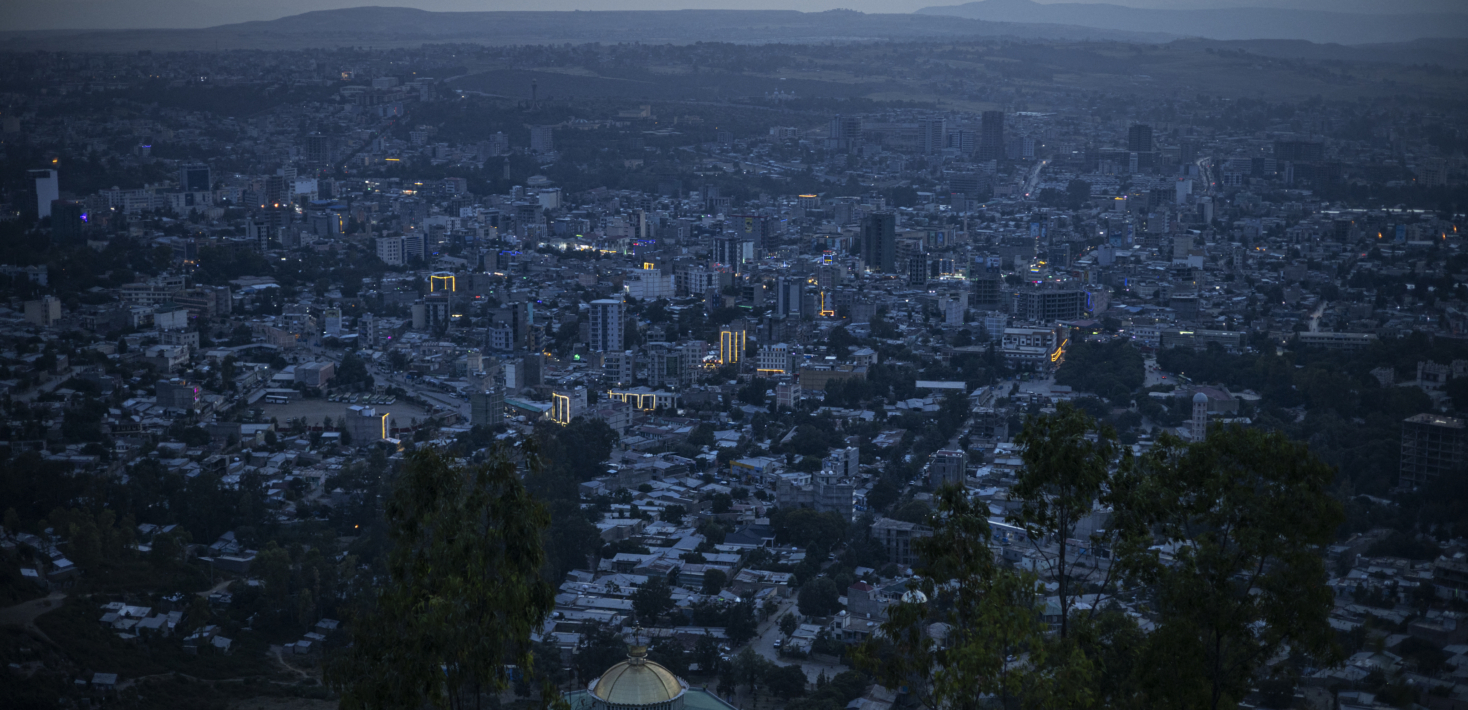


In response to the violent clashes in parts of Tigray – Ethiopia’s northern region – between Tigrayan forces and the Ethiopian National Defence Force (ENDF) on 1 August, Amnesty International’s Regional Director for East and Southern Africa Tigere Chagutah said:
“The resumption of violence in Tigray region puts residents at renewed risk of human rights violations, even as communities continue to grapple with the devastating legacy of past atrocities without justice or accountability. The renewed fighting, combined with the ongoing armed conflicts in the Amhara and Oromia regions, where Amnesty International continues to document serious human rights violations and abuses, calls for urgent action to restore regional and international human rights investigative mechanisms in the country.
“During the armed conflict in northern Ethiopia from November 2020 to November 2022 when the cessation of hostilities agreement was signed by the parties, Amnesty International documented grave human rights violations, including many that likely amounted to war crimes and crimes against humanity. Ethiopia must never normalize the absence of credible investigations and prosecution of perpetrators.
“Amnesty International calls on both Federal and Tigrayan authorities to respect and comply with international human rights standards including on the protection of civilians. We call on them to also allow unhindered access for independent human rights monitors and humanitarian actors. We renew our call on the international community to urgently engage with authorities in both Addis Ababa and Mekelle to restore access for independent media and human rights monitors across conflict-affected areas of Tigray.”
Background
Regional and international human rights monitoring in Ethiopia collapsed following the termination of mandates of key investigative mechanisms, including the UN International Commission of Human Rights Experts on Ethiopia (ICHREE) and the African Commission on Human and Peoples’ Rights’ Commission of Inquiry on the Situation in the Tigray Region. This was followed by the Ethiopian government’s abandonment of the so-called transitional justice initiative, which it had relied upon to counter international accountability efforts in the country.
Over the past two months, human rights organizations have documented a growing pattern of repressive measures by Tigrayan authorities, including the silencing of independent media, forced conscription campaigns affecting thousands of people, and restrictions on freedom of movement.