


Following the United Nations Security Council’s decision to renew the arms embargo on South Sudan for another year, Amnesty International’s Director for East and Southern Africa, Tigere Chagutah said:
“The renewal of the arms embargo, if it is diligently enforced, is an important measure to protect civilians by curtailing the flow of weapons that have been used to commit serious human rights violations and crimes under international law.
“We are however dismayed that several Security Council members continue to call for the lifting of the arms embargo and some members abstained from the vote, especially with the escalating intensity of the armed conflict since early 2025.
The renewal of the arms embargo, if it is diligently enforced, is an important measure to protect civilians by curtailing the flow of weapons that have been used to commit serious human rights violations and crimes under international law.
Tigere Chagutah, Amnesty International’s Regional Director for East and Southern Africa
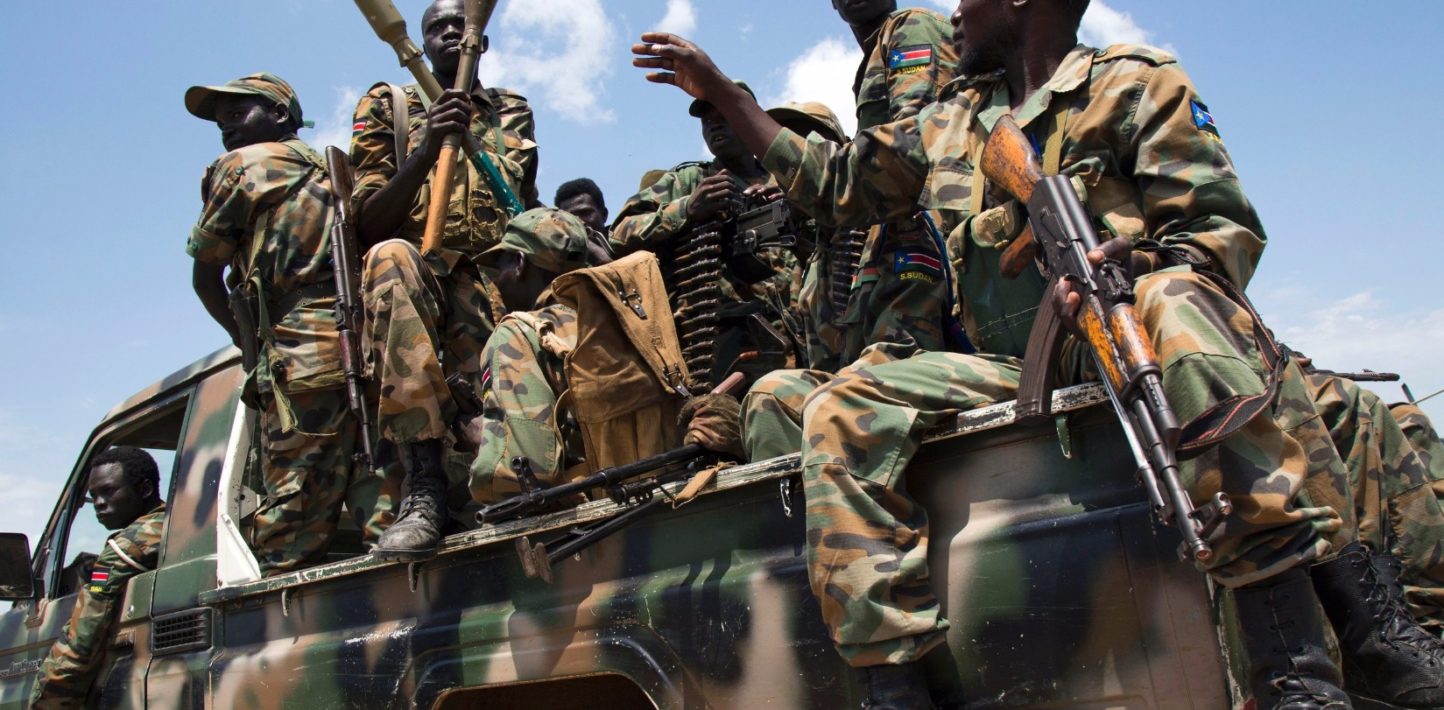
“Weapons continue to be used to take lives. For instance, on 1 March 2026, a group of armed men from Mayom County in Unity State stormed Abiemnom town, killing and injuring hundreds of people in only a few hours. Placing more weapons in the hands of warring parties and other actors involved in serious human rights violations and crimes under international law would be irresponsible and dangerous to civilians.
“Weapons have also been used to commit sexual violence that still continues to characterize the armed conflict in South Sudan despite the existence of agreements and an action plan to combat and address its prevalence. Crimes under international and national law, including conflict-related sexual violence, continue to be rewarded with impunity.”
Background
In 2025, Amnesty International found that the deployment of armed Ugandan soldiers and military equipment to South Sudan since 11 March 2025, in absence of a notification or exemption request to the UN Security Council Sanctions Committee, flagrantly violates the arms embargo. Amnesty International also documented evidence of the ongoing use of attack helicopters by the South Sudan People’s Defence Forces (SSPDF), strongly suggesting that the supply of spare parts – an arms embargo violation previously documented by Amnesty International – continues.
In 2020, Amnesty International documented evidence of newly imported small arms and ammunition, illicit concealment of weapons and diversion of armoured vehicles for unauthorized military purposes, pointing to the failure of the parties to the 2018 peace agreement, including the South Sudanese government, to adhere to the UN embargo, and to implement relevant provisions of the 2018 peace agreement under which they also committed to protect human rights.