

Towera Ngwira on the barriers to healthcare women are facing
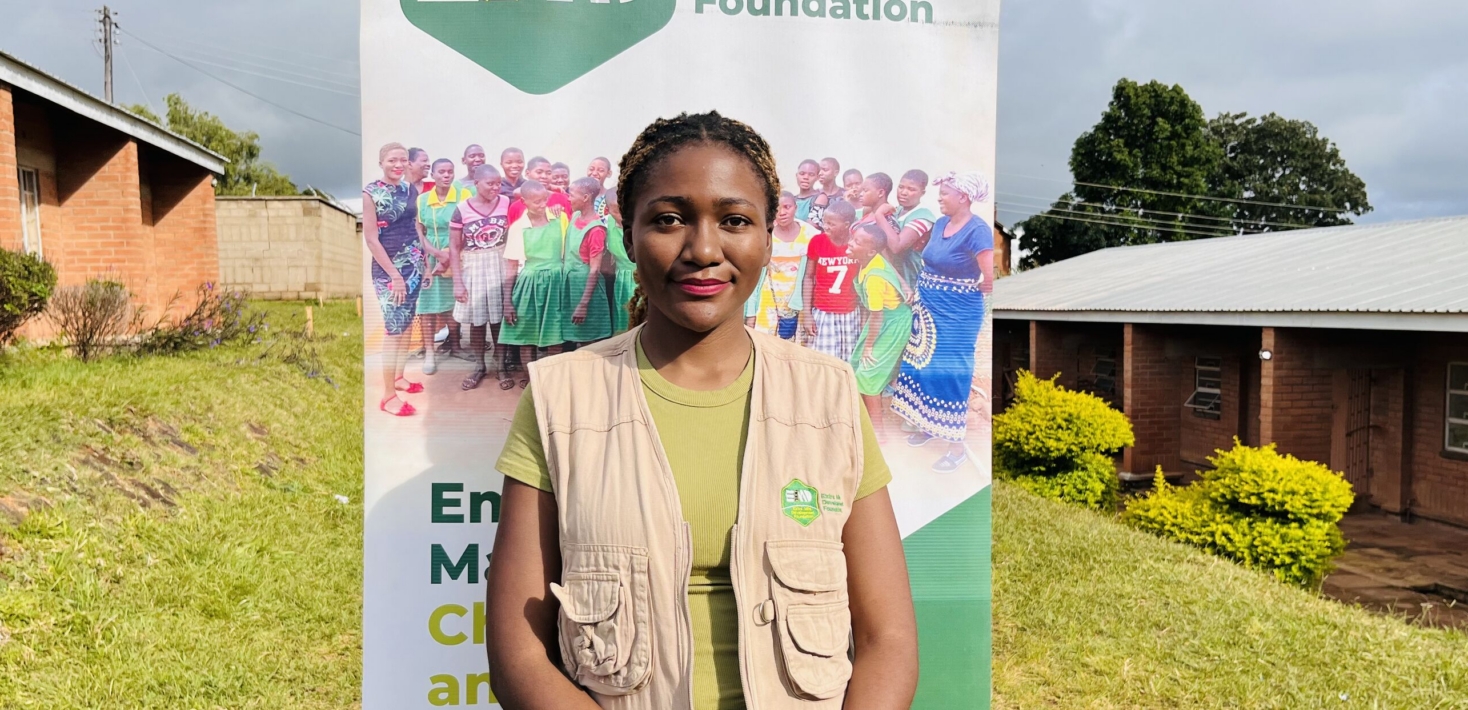
Towera Ngwira, 29, is a women’s rights activist from Malawi, who is focused on empowering adolescent girls and young women to access quality education, healthcare, and economic opportunities.
In this piece, she shares the barriers girls and young women face when it comes to healthcare and why it’s essential they’re aware of their rights…
Can you introduce us to your work, how you got into it? What inspires you to go on?
My work sits at the intersection of gender justice, sexual and reproductive health and rights, climate justice, and the empowerment of women and girls. I am a young feminist from northern Malawi and co-founded the Extra Mile Development Foundation, working with young women and girls, to address inequalities affecting their health, education and opportunities.
I got into this work after seeing the gap between rights on paper and the realities women and girls experience. Growing up in northern Malawi, I witnessed girls dropping out of school, young women struggling to access healthcare and economic opportunities, and families trapped in poverty. These experiences taught me that sustainable change requires listening to communities, investing in local solutions, and ensuring women and girls have the knowledge and resources to make decisions about their lives.
What keeps me going is seeing women and girls find their voice and confidence. That could mean whether a girl stays in school, a young woman becomes economically independent, or a community begins challenging harmful practices. These moments remind me that communities are not just beneficiaries; they are agents of change.
You have worked with women and girls affected by cyclones and climate-related displacement in Malawi. How have climate disasters changed access to sexual and reproductive health services, including contraception and safe abortion care, in the communities you work with?
Climate disasters do not remove health needs; they make them more urgent while often making services harder to reach. During cyclones and floods, families may be displaced, health facilities damaged, and roads and bridges may become inaccessible. Healthcare workers and essential supplies may also struggle to reach affected communities.
During Cyclone Freddy in 2023, we worked with affected communities in Mulanje, bringing information, menstrual hygiene products and family planning support closer to people who could no longer easily reach health facilities.
These experiences have shown me that climate change is also a public health and social justice issue. Disasters deepen existing inequalities for people already living in poverty or remote areas. Disaster preparedness therefore needs to include resilient health systems that can continue providing essential services during emergencies.
In temporary camps and displacement settings, women and girls often face increased risks of sexual and gender-based violence (SGBV), exploitation, and unwanted pregnancies. What stories or experiences have stayed with you, and what do they reveal about the connection between climate justice and reproductive justice?
What stays with me is how quickly existing vulnerabilities become worse during a crisis. In displacement settings, women and girls can lose their usual support systems, privacy, livelihoods and access to protection, increasing risks of violence, exploitation and unwanted pregnancy.
Through our work in displacement camps in Mulanje, including awareness sessions on SGBV, we saw the importance of creating safe spaces where girls and young women could understand their rights, report abuse and access support.
These experiences show that climate disasters do not affect everyone equally. Climate justice must therefore go beyond rebuilding roads and houses. It must also protect people’s dignity, health and safety, including access to reproductive healthcare during emergencies.
You were born, raised, and continue to work in northern Malawi. What are the main barriers that women and girls in rural areas face when seeking sexual and reproductive health information, contraception, or safe abortion services?
The barriers are interconnected. Distance, poor roads and transport costs can make health facilities difficult to reach. Stigma and fear of judgement also discourage young people from seeking care, particularly abortion-related services.
There are also misconceptions about contraception, including fears that it causes infertility or other health problems. Limited access to accurate information, high levels of illiteracy, cultural expectations and gender dynamics can further limit women’s ability to make decisions about their bodies and health. We therefore need accessible and respectful services, accurate community education, stronger outreach and health systems that bring information and care closer to rural communities.
Have you, your friends or family, experienced any of the issues you’re campaigning about?
Yes. These issues are not abstract to me. Growing up and working in rural Malawi, I have seen how poverty, distance, stigma and limited information affect people’s lives. I have seen young women experience unintended pregnancies because they could not access contraception or emergency contraception in time.
I also lost a friend following an unsafe abortion in 2021. What stayed with me was not only her death, but the delay in accessing post-abortion care and the unfriendly environment she encountered at the health facility. That experience made the issue deeply personal. It showed me how fear of judgement and poor treatment can become barriers to saving lives.
Behind every statistic is a person: a daughter, sister, friend or mother. That is why I remain committed to improving access to essential services and ensuring people are treated with dignity and compassion.
When climate disasters make remote areas inaccessible, health services can be disrupted for weeks or months. How do local communities cope when support is unavailable?
Communities often rely on local structures such as youth clubs, mother groups, community organizations, volunteers and peer educators. Because these groups are trusted and embedded within communities, they can share information, identify urgent needs and connect people to available support.
Communities can support one another, but they cannot replace health facilities, trained healthcare workers or government services.
Towera Ngwira, women’s rights activist, Malawi
However, community resilience cannot replace functioning public health systems. Communities can support one another, but they cannot replace health facilities, trained healthcare workers or government services. We need stronger emergency preparedness and climate-resilient systems that keep essential services available during crises.
In contexts where religion plays a central role in public life and policy making, discussions about abortion can be highly sensitive. How have faith and religion shaped public attitudes toward sexual and reproductive rights in your community?
Faith plays a significant role in Malawian life and can strongly influence attitudes toward SRHR, contraception and abortion. At times, religious beliefs or interpretations can contribute to resistance and make open discussion difficult. However, faith communities are not all the same. Many religious leaders are willing to engage in constructive conversations about health, dignity and well-being. I believe we need respectful spaces where communities can discuss sexuality, contraception, pregnancy and abortion without shame and find common ground.
You have spoken about the importance of amplifying human rights-friendly religious voices. What have you learned from working with religious leaders and faith communities who advocate for compassion, dignity, and access to sexual and reproductive healthcare, and why do you think these voices matter?
I have learned that supportive faith leaders can be powerful partners in reducing stigma and promoting compassion. Because they are trusted voices, they can help communities reflect on harmful norms and create safe spaces for difficult conversations. These leaders can also build bridges between communities, health workers and policymakers, ensuring that people’s concerns are heard while promoting dignity, empathy and inclusion.
Looking ahead, what changes would you most like to see from policymakers, donors, faith leaders, and the international community to ensure that women and girls in Malawi can access their sexual and reproductive rights, regardless of where they live or what their social status is?
Healthcare should be treated as an essential public service, not something prioritized only during crises. Policymakers need to strengthen health systems, infrastructure and access to quality services, particularly in rural and underserved communities. Climate resilience must also be integrated into health planning so services can continue during disasters.
Donors should provide sustainable support and invest in locally led organizations that understand community realities. Faith leaders can help reduce stigma and promote constructive dialogue. Most importantly, young people should meaningfully participate in shaping policies and programmes. Everyone, regardless of where they live or their social or economic status, should be able to access quality healthcare, information and the opportunity to live with dignity.
Why is the support of organizations like Amnesty International important in your local context?
Organizations such as Amnesty International help amplify local voices and bring international attention to issues affecting communities. Grassroots organizations often have valuable experiences but limited opportunities to share them beyond their immediate contexts. International organizations can strengthen advocacy, research and accountability while creating opportunities for collaboration across countries and movements. This solidarity reminds local advocates that communities are not working alone in advancing human rights and social justice.
What is one message you’d like to send to the young people of Malawi, especially to those who are like you, fighting for change?
Never underestimate the power of your voice. Change begins when we are willing to identify challenges, speak honestly about them and work together to find solutions. Keep learning, stay informed and have the courage to raise issues affecting your communities. There will be obstacles, and progress may sometimes feel slow, but meaningful change starts with people who refuse to give up. Your voice, ideas and contribution matter, and you have a role in shaping Malawi’s future.