
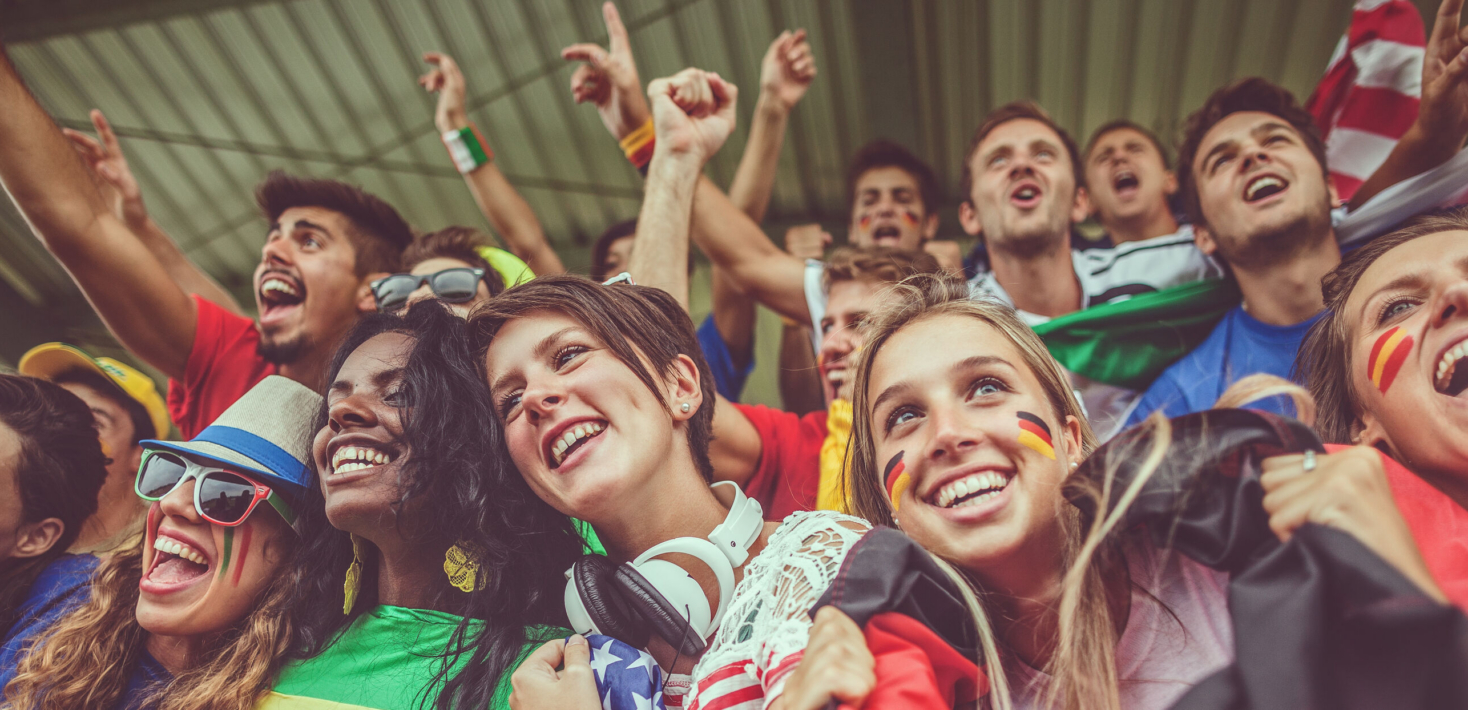


The World Cup brings people together like no other event. That is what football is. That is what humanity can be.
Yet, millions of football fans who are set to attend the 2026 FIFA Men’s World Cup in Canada, Mexico and the USA risk coming face to face with troubling attacks on human rights, not least those stemming from abusive and deadly US immigration policies.
Three fans, who also work for Amnesty International, will be travelling to the World Cup this year. Here they share their thoughts on why everyone attending the world’s greatest football tournament deserves to feel safe, included and free to exercise their rights.
“Everything good about football is rooted in community, inclusion and passion – the World Cup should be no exception”
Duncan Tucker, 37, from the UK but based in Mexico City
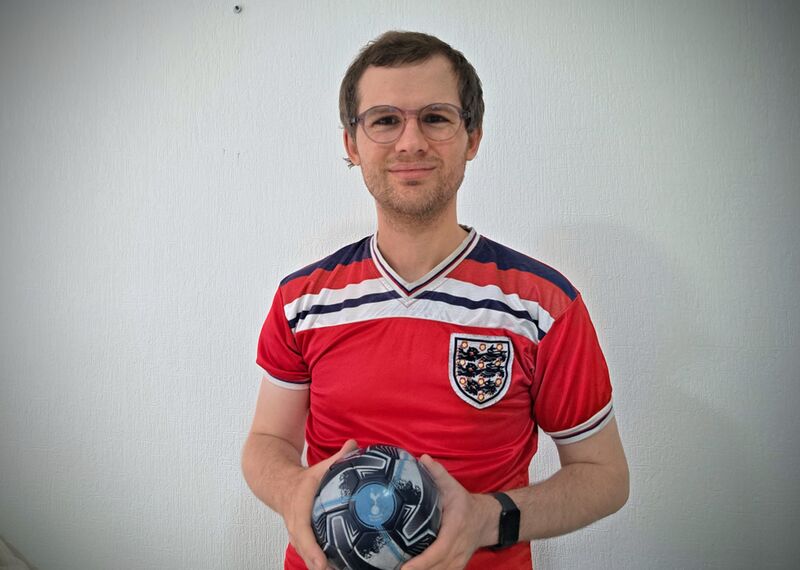
My love of football came from playing with friends and watching with family when I was kid. I’ll never forget the roar of the crowd at White Hart Lane when my parents first took me to see Tottenham Hotspur in 1995. Nor the excitement of Euro 96, from Gazza’s wonder goal against Scotland and England’s 4-1 demolition of the Netherlands, to the crushing heartbreak against Germany – perfectly soundtracked by the anthemic “Three Lions”. I was captivated by every minute.
I’ve never been to a World Cup, so I’m buzzing to watch South Africa take on South Korea in my wife’s hometown of Monterrey in northern Mexico. I’m expecting a joyous atmosphere, given Mexico’s proud history of hosting iconic World Cups and its national obsession with the sport. Mexico should also prove a more hospitable destination than the USA, where the Trump administration’s discriminatory visa restrictions and invasive, aggressive and highly militarized immigration enforcement will discourage many potential visitors. However, while Mexico’s authorities will embrace tourists, we should not forget that they are nowhere near as welcoming to vulnerable migrants and refugees who risk their lives attempting the hazardous journey to the US border.
I hope everyone who attends will be able to enjoy the tournament in a safe and discrimination-free environment. Everything good about football is rooted in community, inclusion and passion – and the World Cup should be no exception. Yet FIFA’s outrageous ticket costs, combined with Mexico’s extreme economic inequality, have priced all but a tiny fraction of the host population out of a once-in-a-lifetime opportunity to attend matches. This is meant to be the people’s game, not a vessel for sportswashing or corporate greed. But FIFA has repeatedly betrayed the spirit of the game, from exorbitant pricing to shamelessly inventing a peace prize to curry favour with President Trump. It must urgently recentre the World Cup around all the things that make football special, before the world falls out of love with it.
“The World Cup is supposed to bring people together, but many communities are currently living in fear”
Mary Kapron, 38, from Canada
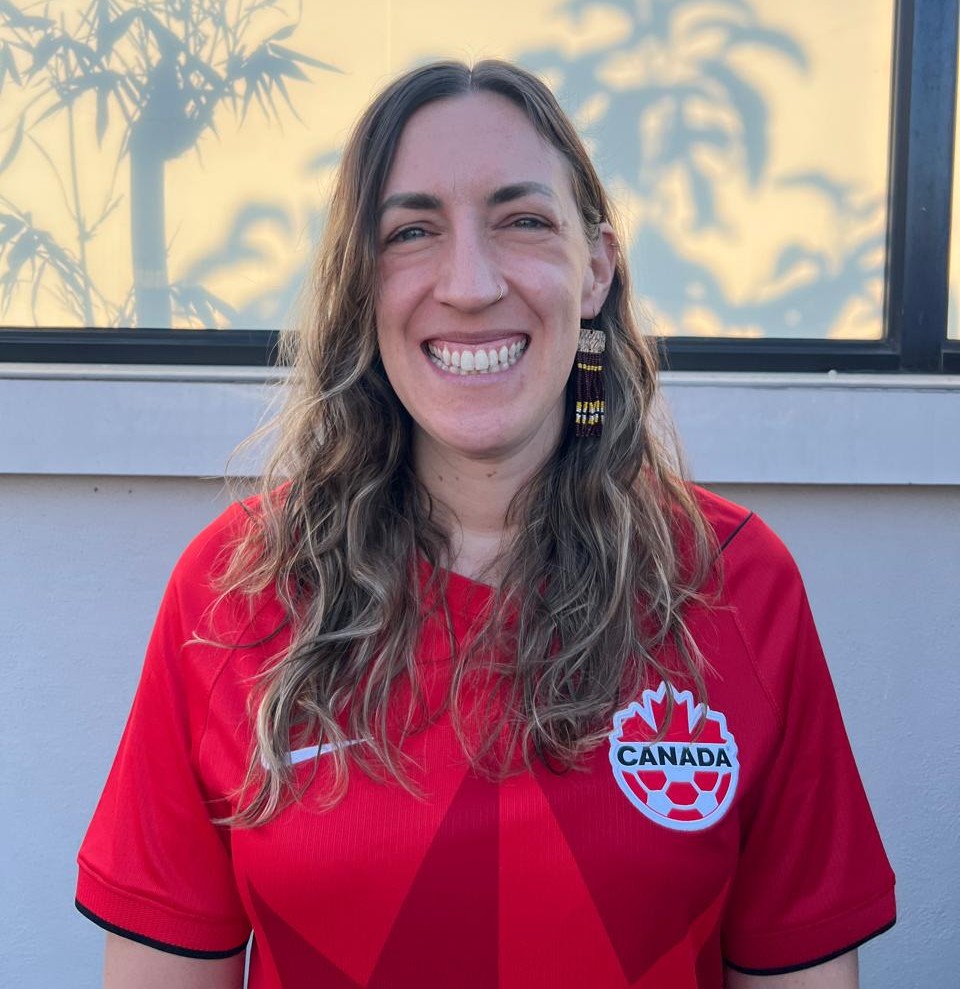
I grew up playing competitive soccer in my hometown of Peterborough, Ontario. When I think back on that time, some of my happiest memories are travelling to games and tournaments with my teammates, who were also my closest friends. Soccer was a huge part of my life growing up, and it’s something that’s still really important to me today.
Growing up in Canada, one of my favourite things about the World Cup was how everyone came together around it. Our neighbours were from all over the world, and during the tournament you’d see flags from every country hanging from houses and cars everywhere. It always felt like this really joyful moment where people connected across cultures and backgrounds.
I’m really excited to be attending a World Cup game. At the same time, I’m also very aware of the privilege involved in being able to go. Ticket prices are incredibly high. This World Cup has become inaccessible to so many people who love the sport but can’t afford to attend.
For people travelling to the United States, there are concerns about immigration policies. Nationals from several countries participating in the tournament, including Côte d’Ivoire, Haiti, Iran and Senegal, are affected by the Trump administration’s travel ban, which means many won’t be able to attend matches in the US.
Given the work I do documenting human rights violations against migrants and asylum seekers in the US, I’m also concerned about immigration enforcement around stadiums, Fan Fest events or public watch parties. The World Cup is supposed to bring people together, but many communities are currently living in fear and may not feel comfortable gathering publicly.
From a soccer perspective, I hope there are surprises and upsets, and I’d love to see a country win that has never won before. But more than that, I hope people are able to experience the joy and sense of community that soccer can create. One of the reasons I love the sport is the way it brings people together across languages, cultures and borders, and I hope fans are able to celebrate safely and freely without fear.
FIFA often talks about soccer as something that unites the world, and I really believe that the sport has the power to do that. But if FIFA is serious about that message, then human rights need to be part of the conversation as well.
“Football’s biggest celebration must return to its working-class roots”
Guillermo Rodríguez García, 31, from Mexico City
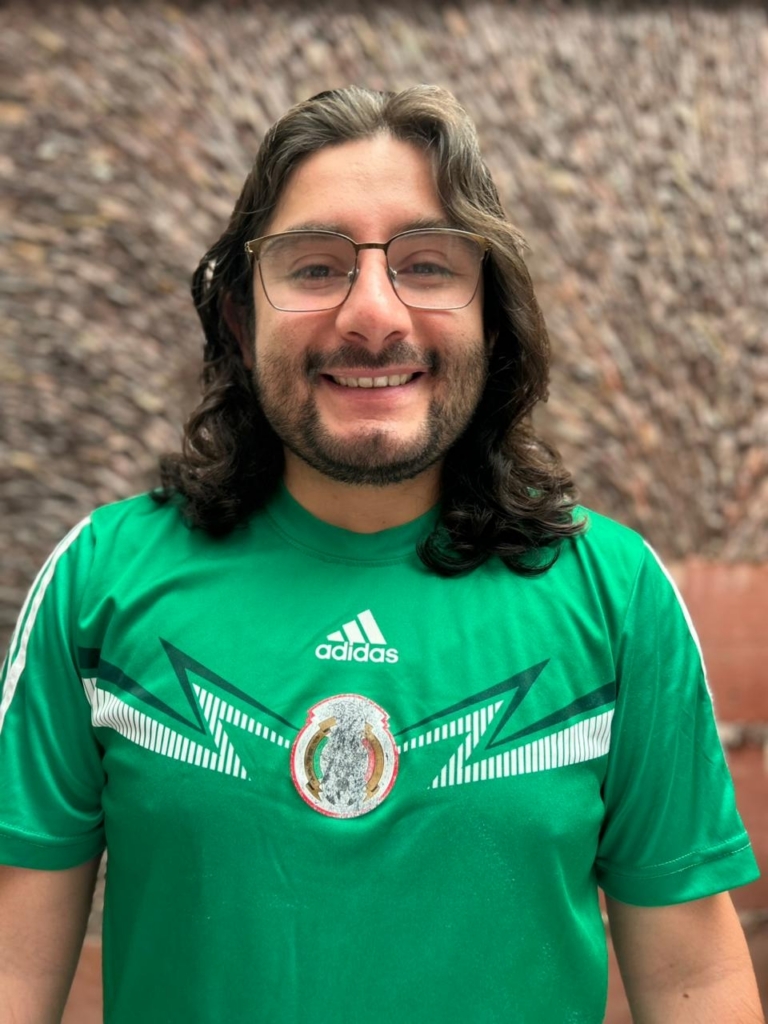
Football takes me back to my childhood, when we used to stop traffic to play with all my neighbours. That was in early 2000, before the Mexican government declared the “war on drugs”, and it was reasonably safe to go outside without adult supervision. Football is that freedom we used to have in public spaces, but it’s also family to me: my older brother and sister are big fans of the Guadalajara club, so I sort of inherited their passion.
Attending the World Cup is a mixed feelings experience! Yes, it’s exciting! The third World Cup in Mexico and the first shared with the US and Canada – an expression of how close our relationship is: migration, commerce, cultures, and shared ecosystems that rely on each other.
But it’s also difficult to see how elitist the game has become: prohibitive prices, hyperconsumption, exploitation of host communities, and FIFA’s indolence around the genocide in Palestine. It’s hard to see our countries pretending this is a world celebration, while all three countries actively diminish the rights of migrants and people seeking international protection.
My greatest fear is that the World Cup becomes the perfect cover for human rights violations in host countries and beyond. I hope this World Cup will be a celebration that brings us closer together as humanity, and that, rather than just a mental break, it will be the opportunity to deepen our empathy for the many instances of violence occurring around the world.
I call on FIFA to prioritize fans over commercial interests. This means firmly advocating for conditions that respect the human rights of visitors and host communities, and taking all necessary measures to ensure that football’s biggest celebration returns to its working-class roots – and isn’t just for those who can afford tickets costing hundreds of dollars.