
Young people play a key role in Amnesty International’s vision of a world in which every person enjoys all human rights.
The Youth, Power, Action! Global Children and Youth Strategy (2022-2025) (now extended to 2030) sets the direction for Amnesty International’s work for, by and with children and young people. It will be delivered by people from all generations, with children and young people themselves in the driving seat.
By drawing on the energy, creativity and skills of children and young people, and by enabling and empowering their active participation across all levels of our work, we aim to create an environment in which they actively contribute to human rights impact and play an integral role in achieving our vision and the priorities of the Global Strategic Framework.
Together, we can realize our collective power.
Vibha Venkatesha, a member of the Global Youth Collective
At Amnesty International we work with and for young people on the issues that are most relevant to their lives. Although young people can be viewed as a single, homogeneous group defined exclusively by age, in reality they have multiple identities shaped by factors such as, but not limited to, gender, race, sexual orientation, gender identity or expression, disability or nationality.
By enabling and empowering the active participation of young people at all levels of our work, we aim to create an environment in which they actively contribute to human rights impact.
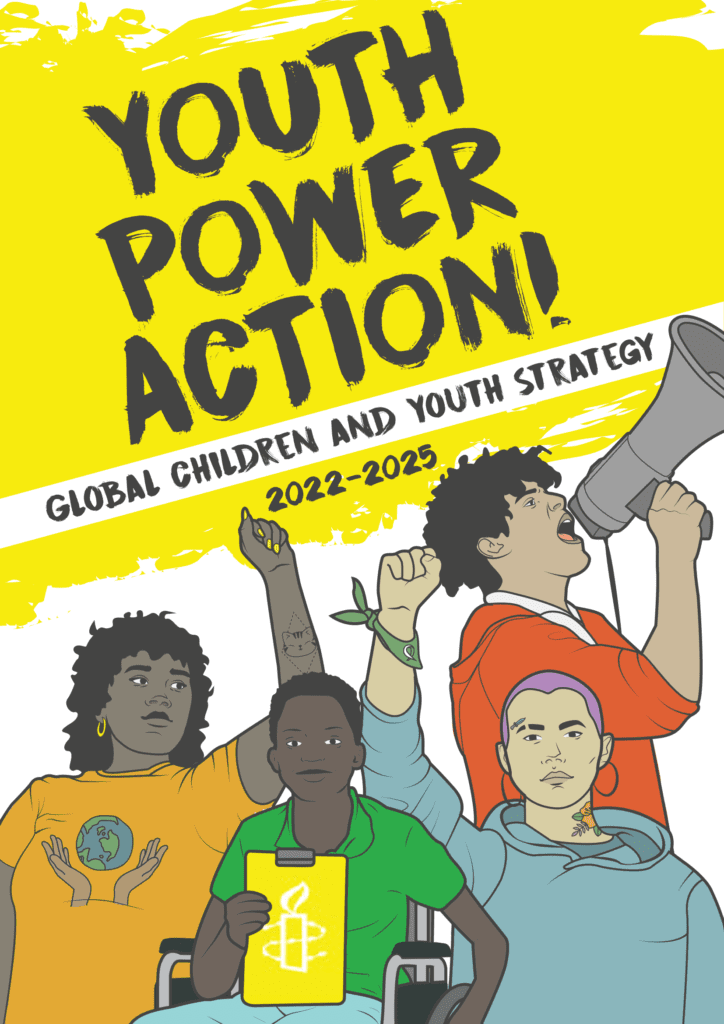
Download our Youth Power for Youth Rights Toolkit
The toolkit outlines the process of developing and implementing a national youth strategy.
What are we working on?
Youth in the spotlight
Meet our global youth leaders
The Global Youth Collective and Digital Rights Champions.
The Amnesty International Global Youth Collective is a team of Amnesty International youth leaders (under 25 years old) and Amnesty staff with a youth brief from across the global movement who are champions for youth engagement and participation. As champions, they bring the thought leadership that is needed to reach the goals in the International Youth Strategy, and look for opportunities to advance its implementation.
Members of the Collective serve a two-year term, in which they play a role as spokespersons on youth issues and raise youth perspectives both internally and externally to help support and expand the space for greater youth(-led) engagement and participation. They amplify the voice of youth leaders and activists on issues that are relevant and matter to young people within and outside Amnesty International, contribute to the agendas of global, regional and national Amnesty International meetings to advise on how youth perspectives can be included, and provide strategic advice to relevant teams across the movement on integrating youth perspectives across all areas and levels of Amnesty International’s work.
For more information about the Amnesty Global Youth Collective or requests for collaboration you can contact the Global Youth Team.
Please meet Eunice, Charlie, Samuel, Katja, Lewis, Minna, Natalie, Douha, Rodrigo and Charlize :
Andrea Eunice Vásquez (she/her)
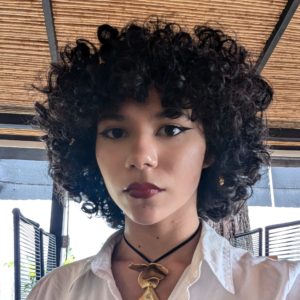
Eunice is an International Relations student at ULACIT in Costa Rica and served as an International Cooperation Intern at the Ministry of Economy, Industry, and Commerce. She is currently an intern at the Inter-American Institute of Human Rights and a Global Youth Ambassador for Theirworld.
Eunice has extensive experience in economics, human resources, and consultancy and has been recognized as Best Delegate at UPMUNC and MUN. She founded ULACIT’s Human Rights Commission and represents the university in International Human Rights Litigation Competitions.
She excels in critical thinking, legal knowledge, and project management. Her volunteer work includes roles in AFS-Intercultural Programs and SIFAIS.
As an International Member of the Youth Advisory Board at Amnesty International, she advises on youth perspectives for global campaigns and policy consultations.
Lewis Ampem-Darko Osae (he/him)

Lewis Ampem-Darko Osae is an activist and a final year aerospace engineering student at the Kwame Nkrumah University of Science and Technology (KNUST) with over three years of experience in youth leadership and human rights advocacy. As the current National Youth Coordinating Team Member for Youth in Amnesty International Ghana, he has played a significant role in increasing youth participation in Amnesty’s initiatives. His leadership as the KNUST Youth Group Leader led to the group’s membership growing from 9 to 76 active members, with membership participation in Amnesty Ghana activities rising significantly. Lewis also contributed to the organization’s broader campaigns, including the 2023 Write for Rights, where he helped garner over 10,000 signatures.
In addition to his work with Amnesty, Lewis is a Young Technical Advisor at the Mastercard Foundation Ghana, where he advocates for young entrepreneurs in agriculture. He also serves as President of the Association of Aerospace, Marine, and Automobile Engineering Students at KNUST and is actively involved in mental health advocacy as a peer counselor.
Lewis has made significant contributions to Amnesty International Ghana, earning recognition as the best group leader and leading KNUST’s Youth Group to be named the most active group in the Southern Sector at the 2024 Amnesty Ghana Annual General Assembly where he also served as a rapporteur. His commitment to human rights is evident in his leadership roles, where he has increased youth participation in various campaigns. His efforts have impacted over 3,000 people, with a focus on issues like gender-based violence and internet safety. Lewis’s dedication to advocacy highlights his belief in the power of activism to drive positive social change.
Katja Nübler (they)

Katja is a 23-year-old activist from Amnesty Germany based in Munich. Born in rural Bavaria, Katja has lived in various German cities as well as in Madrid. They have been active for Amnesty International since the age of 14, first as a student member in Eastern Germany, later as a Youth Representative in the German section and currently as a member of the country coordinator network.
For a long time now they have been active in a partnership between Amnesty Ghana and Amnesty Germany, where they learned the importance of decolonising our human rights work and have been an advocate for it ever since. In addition, they are committed to raising awareness and protection of discrimination in order to create a culture of wellbeing in our movement as well as more accessible ways of getting involved so that everyone feels valued and accepted.
As a student of Catholic theology, Katja is particularly passionate about womens’ and queer persons’ rights in their church as well as in interdenominational and interreligious dialogues. Beyond that, they love sailing and ancient languages. In the coming years, Katja also hopes to make a contribution to the fight against Antisemitism and against the resurgent shift to the far-right in Europe.
Minna Adlan (she/her)

Minna is a passionate youth activist from Sudan, pursuing a Bachelor of Laws (Honours) with International Relations. With a strong commitment to international law and human rights, Minna has gained diverse experience through her involvement in various global organizations and initiatives.
She is a firm believer in youth empowerment and the importance of fostering inclusive spaces for dialogue and action. Through her involvement with multiple youth-led organizations and initiatives, she continues to amplify the voices of young people on the global stage.
She brings a unique perspective to her work, focusing on creating a more equitable and just society. Her commitment to advocacy and change-making drives her ambition to pursue a career in international law, with the aim of making a tangible impact in the world.
Samuel Chou (he/him)
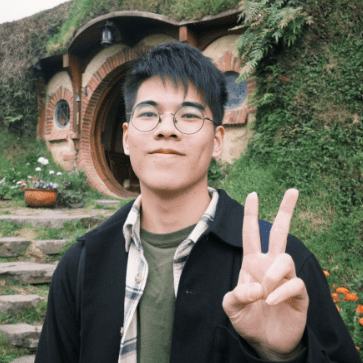
Samuel is a passionate 17-year-old activist from Taiwan, and a proud member of the Amis, one of Taiwan’s Indigenous tribes. As a member of Amnesty Taiwan’s Youth Collective, Samuel leads youth-driven anti-discrimination initiatives, focusing on addressing discrimination against Indigenous peoples.
Samuel also serves as a member of the Human Rights Working Group under Taiwan’s Ministry of Education and an Advisory Committee Member for the K-12 Education Administration. These roles allow him to influence educational policies that prioritize equality and human rights for children, youth, and Indigenous communities throughout Taiwan.
Driven by a strong commitment to human rights advocacy, Samuel joined Amnesty International to stand up for individuals facing discrimination and injustice. He works to amplify the voices of marginalized groups, ensuring that their stories are heard and their rights are acknowledged.
Charlie Matthews (he/him)
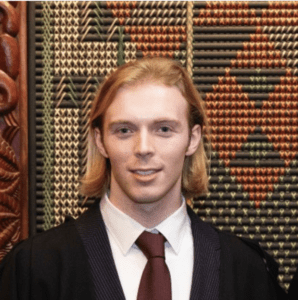
Charlie is based in Tāmaki Makaurau Auckland and is completing a Bachelor of Laws (Honours) and Bachelor of Arts at the University of Auckland, majoring in Economics with modules in Mandarin. He also works at the University as a Research Assistant and Graduate Teaching Assistant.
He has broad experience in youth civic engagement and joined the Board of Amnesty International Aotearoa New Zealand as a Youth Co-Opted member in 2023. Charlie aims to use his tenure on the Global Youth Collective to support youth representation in governance and raise awareness of the concerns of the Asia Pacific while working towards Amnesty’s goal of protecting human rights.
Natalie Khallouf (she/her)

Natalie is a first-year Double Major in Life-Sciences and Political Sciences student at the University of Toronto, with a strong interest in biology, health, and the ways science connects to justice. Natalie cares deeply about understanding people at both the molecular and human levels; from genetics and disease to the social forces that shape people’s lives.
Alongside her studies Natalie has been involved in activism from a very young age and became a member of Amnesty at 14. She is also a National Organizer with Amnesty International Canada. Natalie founded and led her high school’s Amnesty chapter, an experience that shaped her approach to organizing and leadership and taught her the importance of community, youth activism, awareness, and persistence. After graduating, Natalie passed the chapter on and it continues to run today.
In 2023, Natalie participated in AICAN Human Rights College, and in 2025, she was one of the organizers for the AICAN Youth Leadership Summit, where she also co-facilitated a panel at the AGM on bridging the intergenerational age gap within activism.
Natalie is especially passionate about refugee, Indigenous, and displaced communities, racial justice, and creating space for youth voices within activist spaces. She cares deeply about amplifying voices of minority, silenced or pushed aside individuals/groups. Natalie deeply values people and connection: she enjoys bringing others together, listening, and turning care into action. Natalie sees herself as someone who is still learning and growing, trying to bridge different worlds, and still discovering what the future holds for her whether that’s within sciences, humanities, or both.
Douha Amrani (she/her)

Douha is a 21-year-old activist and a student at the Higher School of Journalism in Algeria. A committed feminist, she is a core member of the Algerian Femicide Counting Initiative.
As an independent journalist, Douha specializes in reporting on vulnerable and marginalized groups, contributing analysis to multiple online platforms. Her advocacy is recognized through her roles as the Algerian Youth Delegate and a Youth Advisor on the Board for Amnesty International Algeria.
Douha’s work is driven by a passion for social justice, where she leverages her skills in critical reporting, advocacy, and youth representation to influence policy and raise awareness of critical societal issues.
Rodrigo Miguel Cardoso (he/him)

Rodrigo Miguel Cardoso is a 20-year-old youth activist from Portugal who works at the intersection of human rights advocacy, institutional reform and youth empowerment. A final-year student of Political Science and International Relations, he is a first-generation university student and a second-generation migrant raised in a low-income community, experiences that deeply inform his commitment to equitable policymaking.
Rodrigo serves as a Board Member of Amnesty International Portugal and youth delegate to the Global Assembly in 2025 and 2026, where he contributes to strategic debates on movement governance and the role of young people in global decision making. He is a Member of the European Union Fundamental Rights Agency Pilot Youth Advisory Panel, advising the Agency’s Director on youth inclusion, civic space protection and rights-based approaches to European policy. He has also served as Youth Counsellor to the President of the European Economic and Social Committee, representing more than sixty-six million young people across Europe and ensuring institutional positions reflect youth perspectives in climate, migration and social justice agendas.
A strong believer in the transformative potential of communication, Rodrigo intends to use his tenure in the Global Youth Collective to bring the community closer to Amnesty’s global governance structures. His focus is on increasing visibility of the Collective’s work, strengthening channels between young activists and leadership, and ensuring that youth perspectives shape the movement’s strategic priorities.
Charlize Ko (she/her)

Charlize Ko is a human rights activist studying Business and Political Science at Emory University. She contributed to shaping Amnesty USA’s 2027–2030 strategic framework as a member of the Strategic Planning Working Group, and serves in Amnesty USA’s National Youth Collective, where she helped secure permanent youth representation on the board and piloted Amnesty USA’s annual Artivism program.
Charlize is the Co-Founder and Executive Director of DawnRizing Creators, an international arts collective amplifying youth storytelling towards social impact across 26+ countries. She also led anti-displacement communications in Philadelphia’s Chinatown, mobilizing 4,000 protesters and 40,000 petition signatures, successfully halting predatory development.
Formerly the Executive Director of Operations at Diversify Our Narrative, she authored the organization’s theory of change, helped secure major grant funding, and directed national campaigns that reached millions of people. Her work centers on freedom of expression, youth power, and the role of creative media in advancing human rights.
The Amnesty International Digital Rights Champions are a group of children and young leaders from across the globe with an interest and expertise in digital rights. The Digital Rights Champions ensure that children and youth perspectives are at the centre of the RIGHTS Click programme’s design and delivery. In 2024, they played a key role in shaping The Global Youth Summit for Digital Rights held in Argentina and online, and are now leading in campaigning, advocating on digital rights and building a Global Community for Youth Digital Rights.
If you want to find out more about the Digital Rights Champions, please contact the Global Children and Youth Team at [email protected].
Minna Adlan (she/her), International Member, Sudan
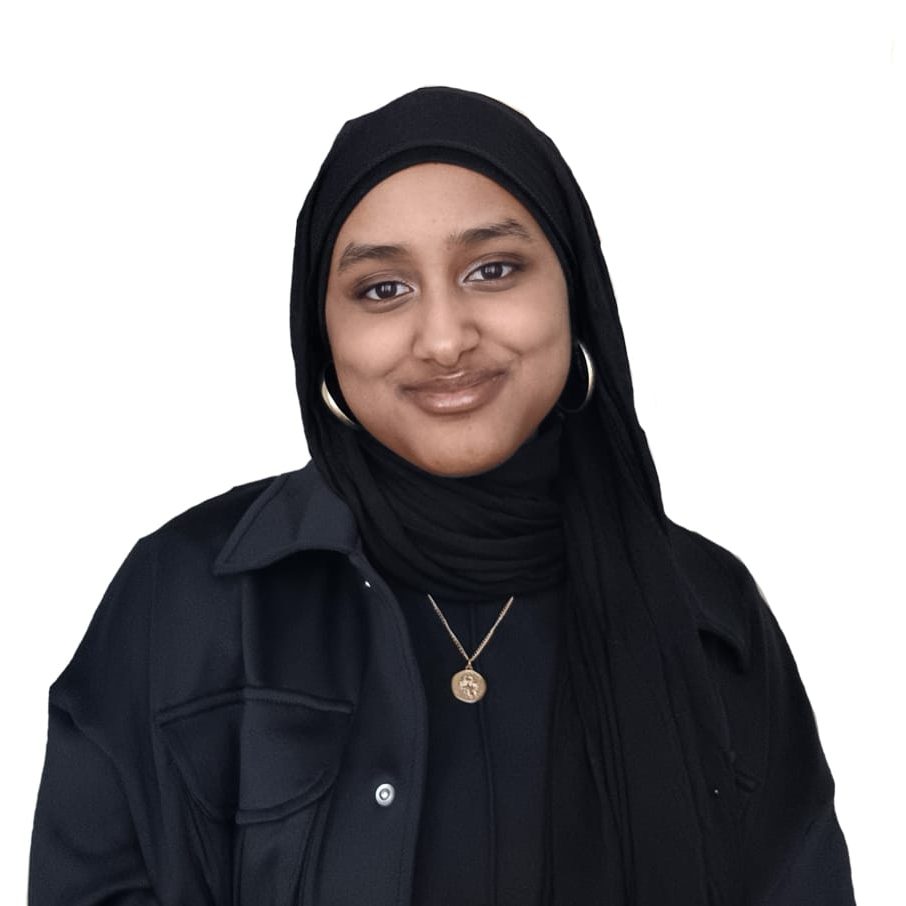
Minna is a passionate youth activist from Sudan, pursuing a Bachelor of Laws (Honours) with International Relations. Committed to international law and human rights, she has gained diverse experience through her involvement in various global organizations and initiatives. Minna believes in youth empowerment and fostering inclusive spaces for dialogue and action, amplifying the voices of young people on the global stage. Her advocacy focuses on creating a more equitable and just society, driving her ambition to pursue a career in international law to make a tangible impact.
Lewis Ampem-Darko Osae (he/him), Amnesty Ghana

Lewis is an activist and a final-year aerospace engineering student with over three years of experience in youth leadership and human rights advocacy. As a National Youth Coordinating Team Member for Youth in Amnesty International Ghana, he has significantly increased youth participation in the organization’s initiatives. Lewis contributed to the 2023 Write for Rights campaign, helping to gather over 10,000 signatures. He is also a Young Technical Advisor at the Mastercard Foundation Ghana, advocating for young entrepreneurs in agriculture, and serves as President of the Association of Aerospace, Marine, and Automobile Engineering Students at KNUST. Actively involved in mental health advocacy as a peer counselor, Lewis has earned recognition as the best group leader in Amnesty International Ghana and led KNUST’s Youth Group to be named the most active group in the Southern Sector at the 2024 Amnesty Ghana Annual General Assembly, where he also served as a rapporteur. His dedication to advocacy highlights his belief in the power of activism to drive positive social change.
Lisakhanya Mathiso (she/her), ROOTS

Lisa is a 21-year-old climate activist from Cape Town, South Africa. She is currently pursuing a diploma in Information and Communication Technology. With a strong passion for climate justice, Lisakhanya has been actively engaged in various initiatives since 2019, including the YouLead Initiative with Project 90 by 2030, ‘Youth Against the System’ with the Alternative Information Development Centre, and the ambassadors programme. She has also served as a spokesperson for the African Climate Alliance and has been an integral part of Project 90 by 2030’s youth project, co-creating Afrocentric climate knowledge and resources for youth in South Africa. Recently, she launched her own project, the Refresh Initiative, focusing on reducing textile and electronic waste through recycling and upcycling.
Faith Musau (she/her), Amnesty Kenya
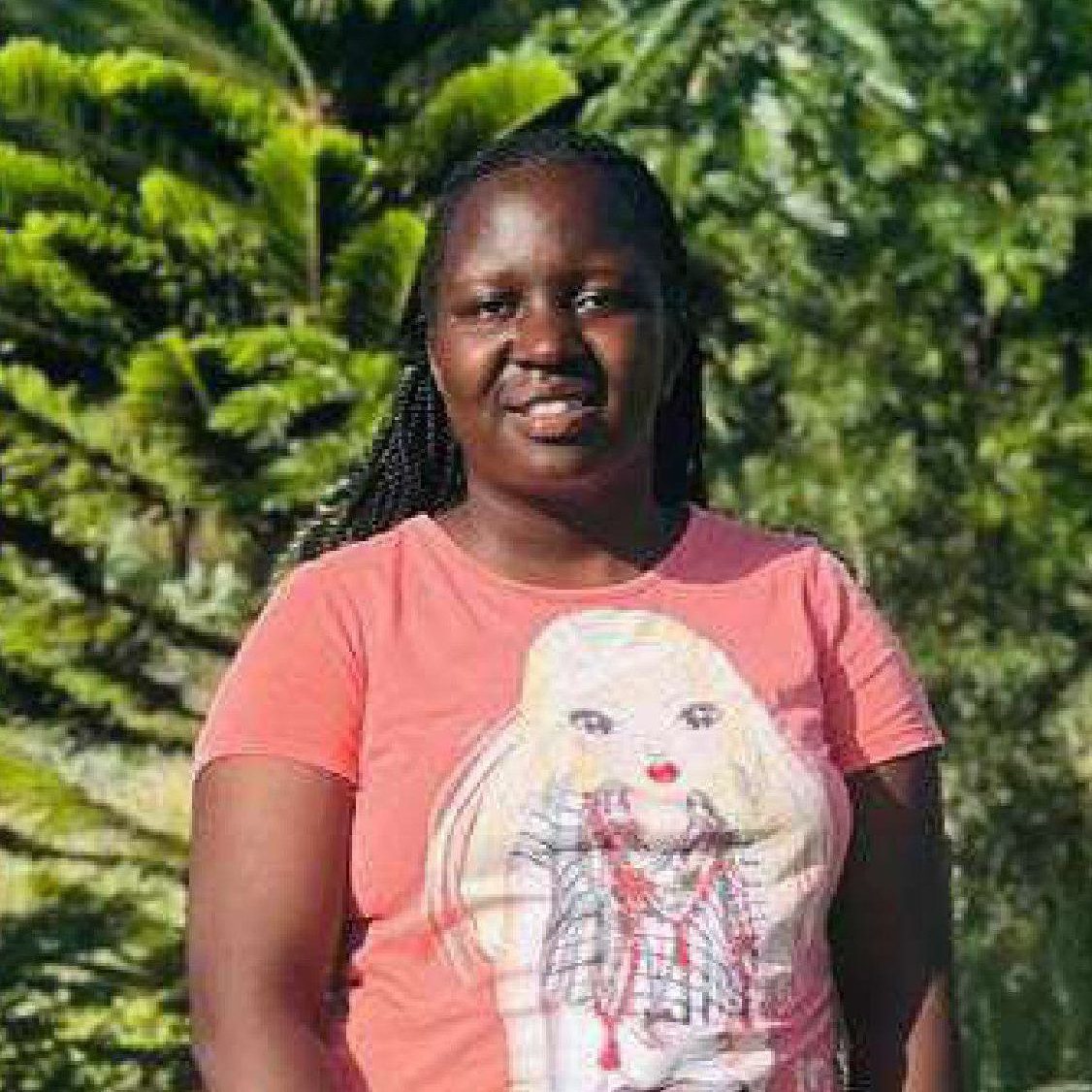
Faith Musau is a passionate child rights advocate, climate change and youth leader from Kenya. Faith has played a pivotal role in creating platforms where children’s voices are heard in matters that affect them, including digital inclusion, online safety, and meaningful civic participation and advocating for children and youth involvement in climate change matters. She is a member of the ChildFund International Verde Committee, where she promotes children’s involvement in global policy discussions, and a mentor in Aflatoun Clubs, where she educates children on their rights and responsibilities in both physical and digital environments.
Faith is also the founder of Future Climate Guardians, an initiative that empowers primary school children to take environmental action while understanding their digital and civic rights in the process.
Franck Ngenzebuhoro (he/him), UNOY

Franck is a feminist and peace activist who serves as Co-director at the Youth Empowerment and Leadership Initiative (YELI-Burundi). He advocates for the protection of women’s and girls’ rights and supports projects aimed at improving their social and economic conditions. His work at YELI Burundi focuses on digital rights, media and information literacy, advocacy, conflict prevention and transformation, education, and economic development. As a Digital Rights advocate, he has contributed to planning and implementing the Talking Across Generations on Education (TAGe) initiative, which invites young people from across the country to participate in online consultations and live events.
Jaime Quiambao (he/him), Amnesty Philippines
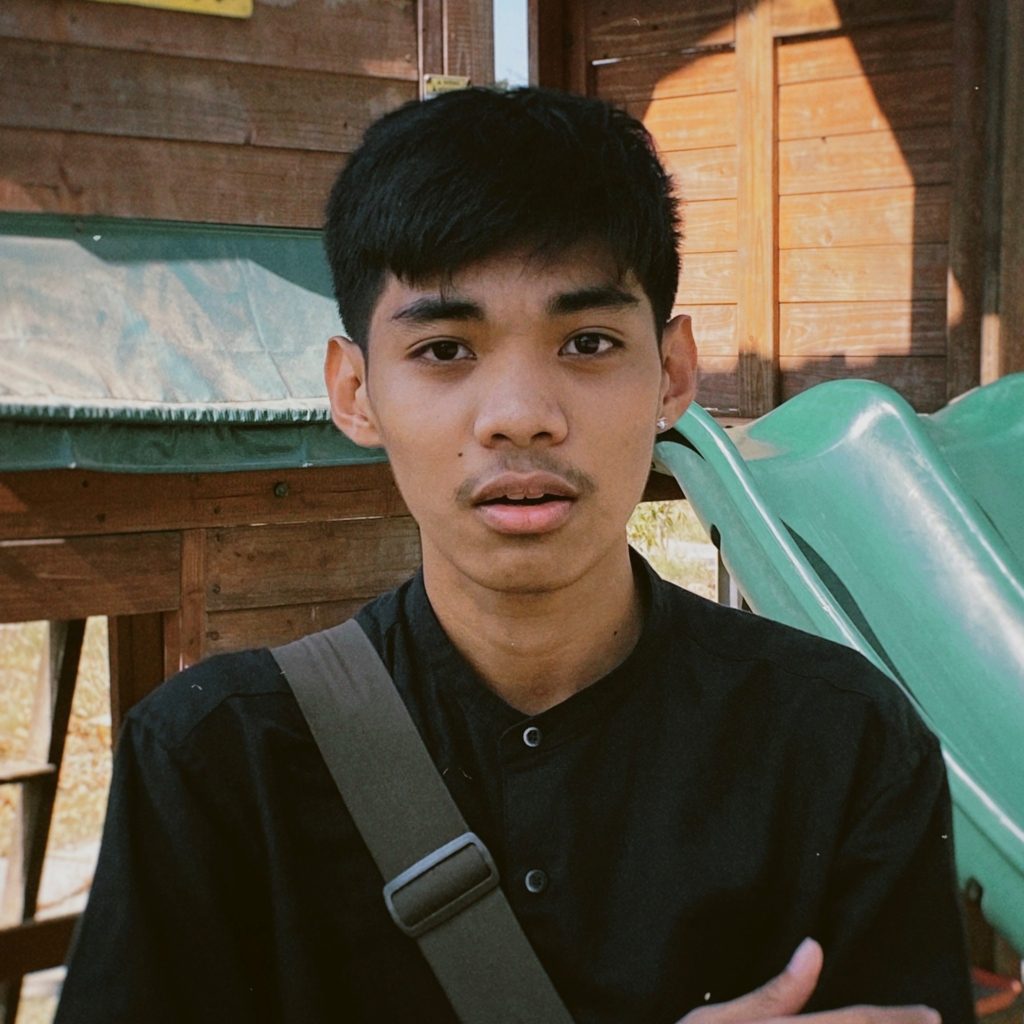
Jaime Quiambao is a 22-year-old youth activist and human rights defender from the Philippines. He graduated cum laude with a degree in Social Sciences, majoring in History and minoring in Political Science, from the University of the Philippines Baguio.
He currently serves as a member of Amnesty International Philippines’ Youth Core Group (YCG), the governing body of the organization’s youth members. The YCG addresses the needs of young activists and ensures their formation, development, and empowerment through the implementation of the Philippine Youth Strategy, the Youth Action Plan, and other related plans of action.
Santiago Urdanivia (he/him), Restless Development
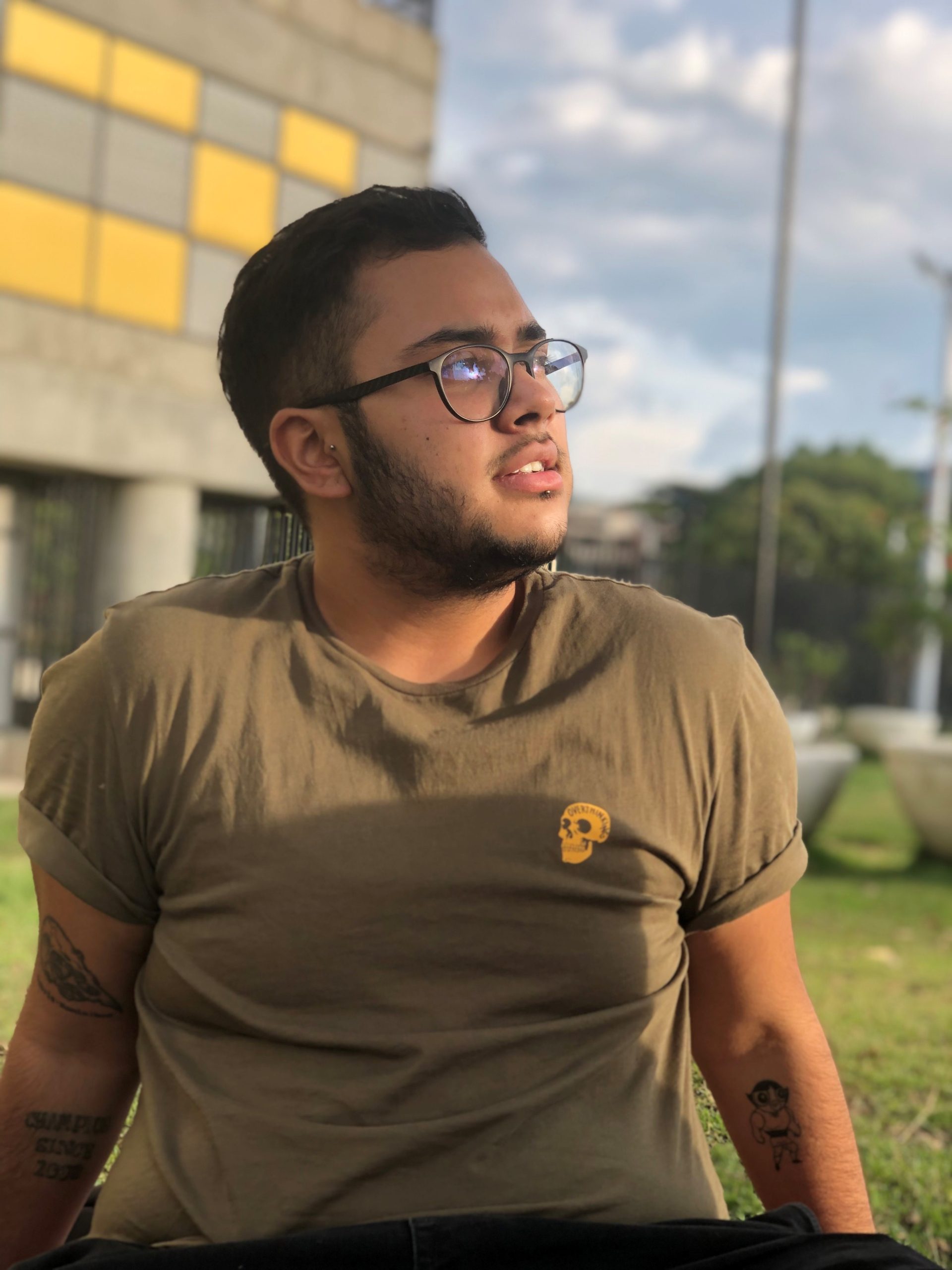
Santiago is a trans man from Pasto, Nariño, Colombia, studying psychology at the University of Antioquia in Medellín. He works with gender-diverse communities, supporting individuals who live outside traditional gender norms. Santiago has been involved in various initiatives defending the rights of trans and LGBTQ+ people, as well as human rights in general. He has participated in discussions with the Colombian government, advocating for better access to services and support in regions outside major cities.
Jazzie Tiongco Allego (she/her), Amnesty Philippines
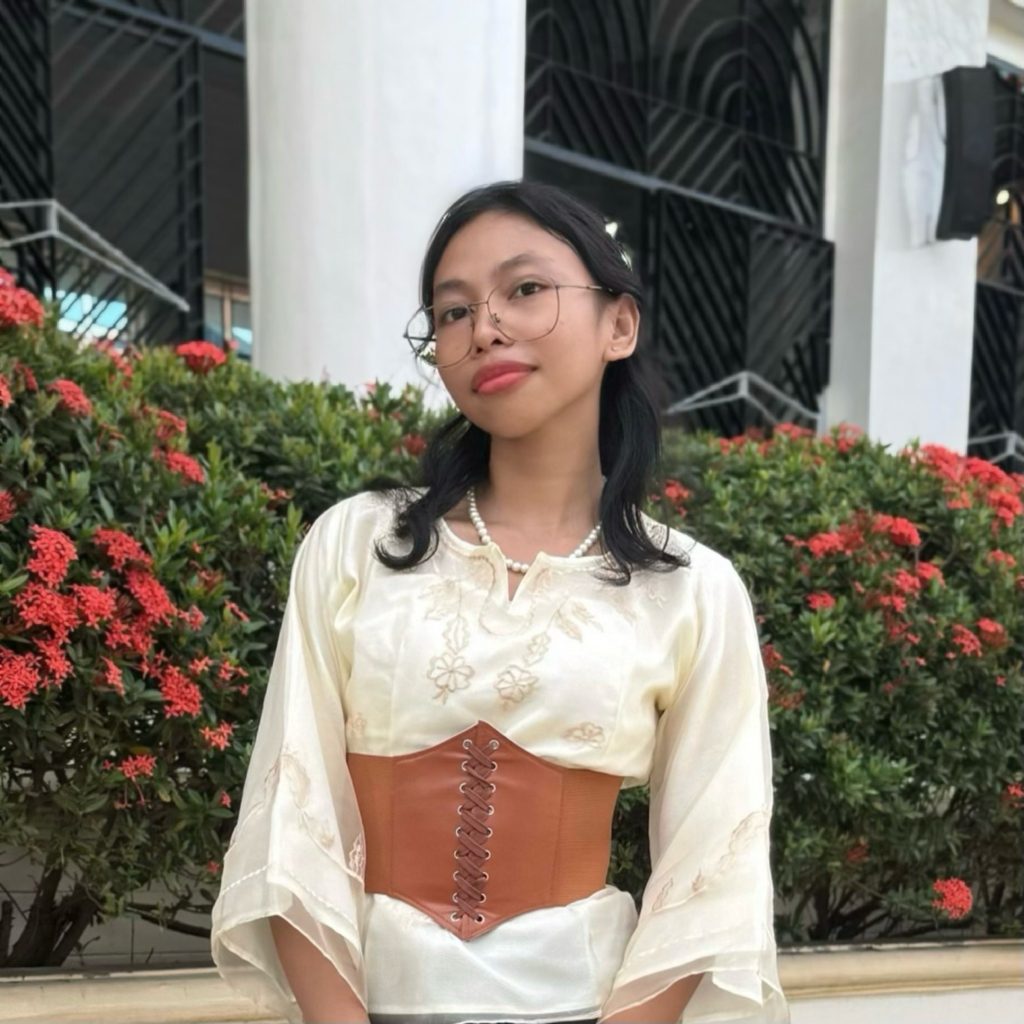
Jazzie is a Psychology student, activist, and children advocate in the Philippines.
As a member of Amnesty Philippines for more than a year, Jazzie has contributed to campaigns like the Kabilang Tibak School Tour under Protect the Protest, and Sagot Mo Ba Ako?, which engaged youth in election-related initiatives. She now serves as Secretariat of the campus-based Amnesty Group at Western Mindanao State University.
At the heart of her advocacy is a vision of possibility. As she continues her journey in activism and public service, Jazzie remains committed to upholding human rights and shaping a society where every person—regardless of background—is treated with dignity, empowered to contribute, and never made to feel like a burden.
Paloma Candia (she/her), Amnesty Argentina

Paloma is an electronics technician, a law student, and a digital rights activist at Amnesty Argentina. She began her advocacy journey in 2024, contributing to the development of an educational sequence on disinformation. In 2025, she led the campaign “Our Vote Counts” focused on youth participation and the fight against disinformation, culminating in a powerful collective essay.
She was part of the writing of the Staying Resilient Vol. 3, where she co-created a chapter on internet and wellbeing. Throughout her activism, she has led youth-driven initiatives addressing gender-based violence in digital spaces, amplifying the voices and experiences of young women and girls. Paloma has also spoken at UN Women’s Town Hall on AI and the Future of Work and served as a consultant for the Inter-American Development Bank on Buenos Aires’ Digital Transformation Plan.
She is committed to shaping a safer and more empowering digital world for all. Her work is guided by a simple belief: transforming the digital world begins with daring to imagine a fairer one.
Catalina Maluendez (she/her), Amnesty Argentina
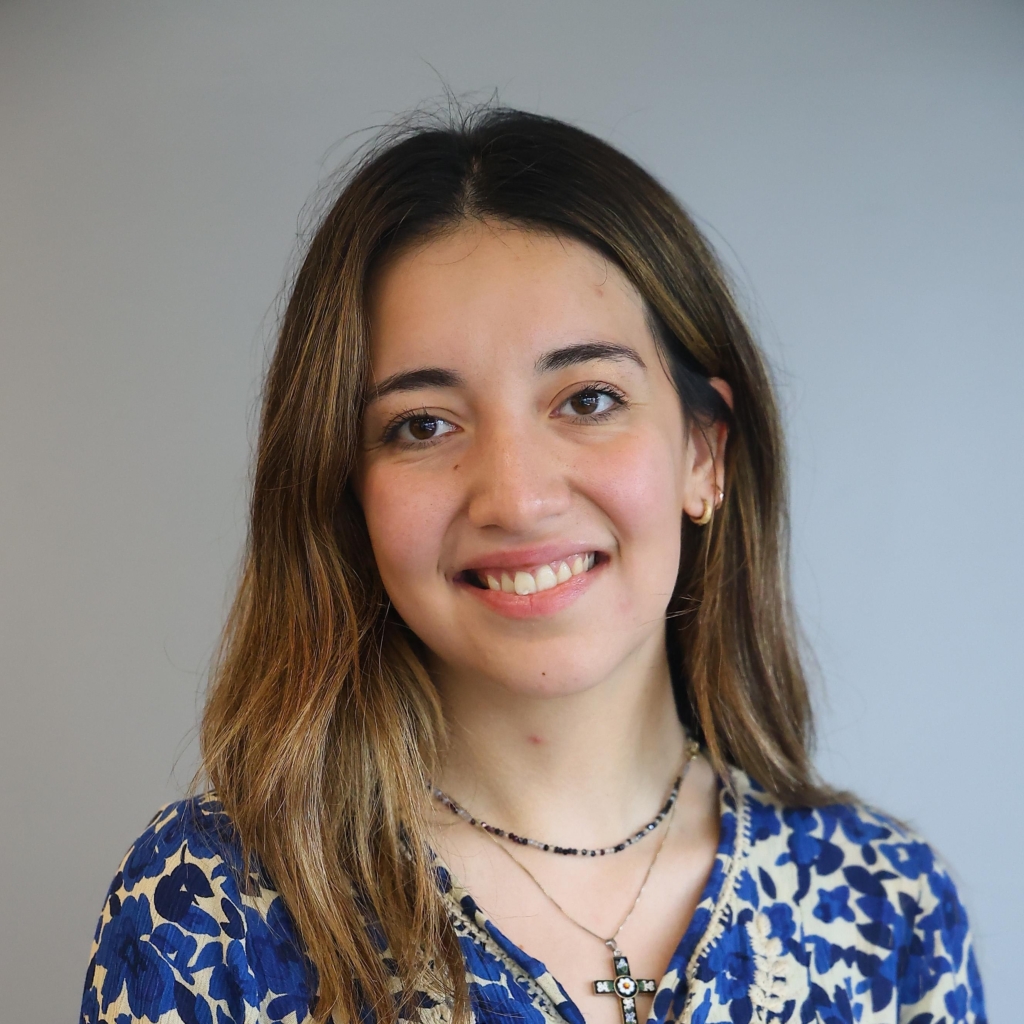
Cata is a Social Communication student at the National University of La Plata and an activist committed to building safer digital spaces. Her advocacy began with Girl Up, where she co-developed workshops on digital violence for schools alongside two colleagues. Her passion for this work is deeply personal; at age 15, she experienced digital sexual violence, an event that inspired her to promote better digital citizenship.
Cata has shared her story widely, including through TED-Ed talks, and continues to visit schools across Argentina to raise awareness about online safety. Since joining Amnesty International in May 2024, she has embraced teamwork and found a supportive space to amplify her voice. Today, she regularly travels to rural schools to engage students in conversations about digital rights and citizenship. Driven by curiosity and an activist mindset, Cata seeks to question and understand the “why” behind social challenges, aiming to create a more just and inclusive world.
Ahmed Dhman (he/him), Amnesty Morocco

Ahmed Dhman is a dedicated youth leader and human-rights advocate, currently pursuing a bachelor’s degree in Finance at ENCG Tanger. As Coordinator of Amnesty Jeunes Tanger, he has spearheaded awareness campaigns, strategic planning, and youth mobilization around human rights. After a challenging period marked by personal losses, Ahmed revitalized the group with a renewed vision and stronger structure, making it a key force for civic participation among Moroccan youth.
Beyond activism, Ahmed has cultivated a multidisciplinary profile. He serves as Secretary General and board member of ENCG’s musical club, CLAS’SICK, and has managed humanitarian projects, including a major mission with the SOS club. A skilled public speaker, he has represented ENCG Tanger in national debate competitions such as AMURAKUS and L’Ultime Débat National, achieving notable results in Arabic and French. His academic work reflects analytical depth, tackling topics like monetary policy during crises and the global impact of U.S. elections.
Andrea Lauria (she/her), Amnesty Italy

Andrea is a recent graduate from Italy with a Master’s degree in Human Rights and Multilevel Governance. She currently works in the field of international cooperation on a project supporting migrants, applying a rights-based approach to promote inclusion and access to essential services. Her advocacy centres youth digital empowerment, and the intersection between technology and gender. Andrea is passionate about ensuring that young people have the knowledge, tools, and safe digital environments they need to participate fully and meaningfully in society. Guided by a strong commitment to equity and participation, she works to elevate youth perspectives in discussions on technology and human rights, contributing to a more inclusive and informed digital future.
Johanne (she/her), Amnesty Norway
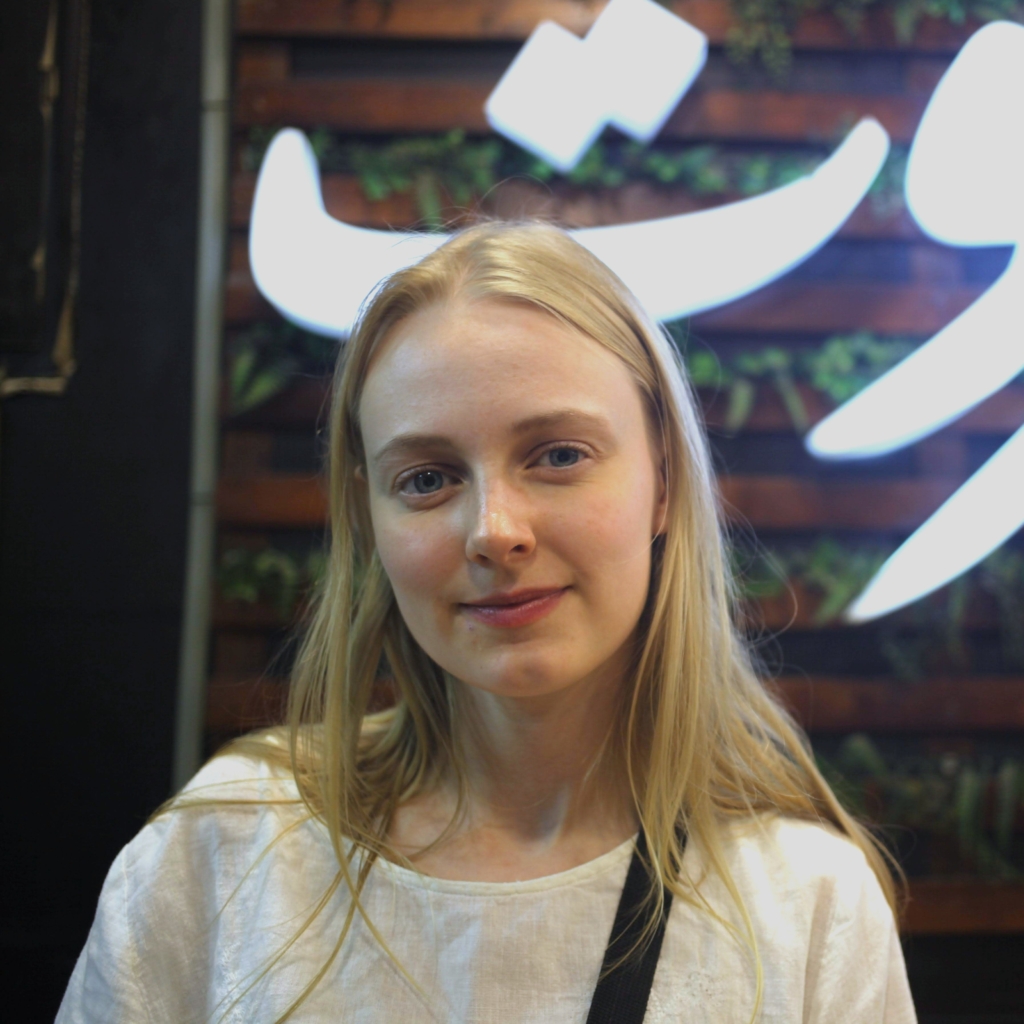
Johanne has a decade of experience defending children’s, migrants’ and digital rights, combining community building offline with advocacy online. She is currently the leader of Amnesty International Norway’s Student Council, a content creator, and works with youth freedom-of-expression projects at the Fritt Ord Foundation. She has coordinated multiple youth participation projects for Save the Children Norway, represented Norway in the Global Partnership for Education, and worked with legal aid for asylum seekers and minors in the justice system. She strives to bring nuance into the migration debate on TikTok and has written a chapter for a forthcoming European anthology on how young creators navigate algorithms and hate to promote human rights.
Kuhle Dube (she/her), Amnesty Zimbabwe

Kuhle Dube is a member of the Youth Power Action network where she leads, participates and collaborates in human rights actions and campaigns in support of the Zimbabwean section’s work. In her community she hosts intergenerational activities to inculcate a culture of inclusive communities and advocate for social justice through data-driven strategies. During her internship at a youth center she designed youth-friendly engaging programs that promoted social cohesion while respecting human rights. She works diligently to raise awareness of human rights through various media engagement strategies and audio-visual tools. Kuhle thrives in promoting digital literacy, coordinating social justice initiatives and mobilizing young people to contribute towards national development discourse.
Kuhle has exhibited leadership skills within the movement and in her social and academic circles. Under her belt she has experience as a board member and digital rights ambassador. She has received awards that serve as acknowledgement of her hard work selflessness, sacrifice, service and support.
SIGN UP FOR OUR NEWSLETTER
Amnesty International’s Global Youth Team shares a youth bulletin across the movement, including short stories featuring youth work and youth activists, as well as youth-related resources and opportunities.
sign up