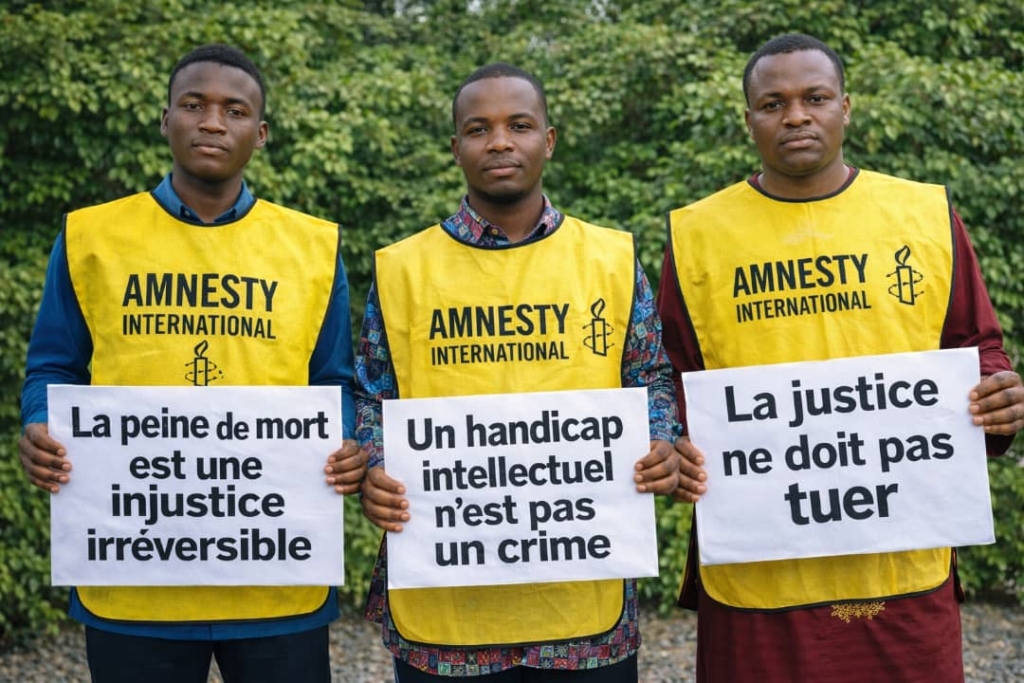
Together, we can end the death penalty everywhere.
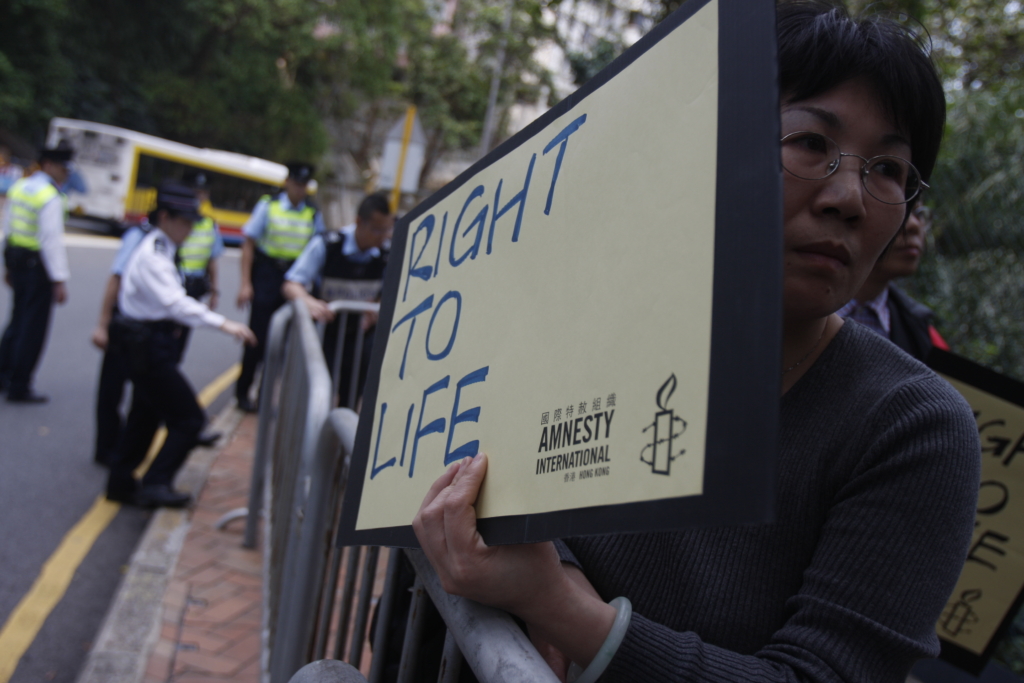
The death penalty is a violation of the right to life and is the ultimate cruel, inhuman and degrading punishment. Amnesty International opposes the death penalty in all cases without exception – regardless of who is accused, the nature of the crime or if they are guilty or innocent. All execution methods are inhumane and unacceptable. We advocate for a complete abolition of the death penalty.
Research from around the world has shown that the death penalty does not prevent crime any more than other forms of punishment. All too often, it’s used as a weapon of state control – designed to expand authorities’ unchecked powers and punish dissent. The death penalty can also be used as part of flawed public security narratives that labels specific groups as dangerous threats that need to be supressed by the full force of the state. It doesn’t protect anyone and, its use poses even more risks to people’s rights and safety.
But there is still hope. In 1977, when Amnesty International first started campaigning on the issue, only 16 countries had abolished the death penalty. That number is now 113. In the last decade alone, 14 countries have embraced their human rights commitment by fully abolishing the death penalty and many more are on that path.
Be part of a global movement of people advocating for an end the death penalty.
Become a member today
Why the death penalty should be abolished
- It’s a violation of human rights
- It’s used as a tool to punish dissent, instil fear and exert control
- It’s discriminatory, disproportionately affecting minority groups and those from disadvantaged socio-economic backgrounds
The death penalty is a violation of human rights and its use often defies international law
The death penalty is a breach of human rights, in particular the right to life and the right to live free from torture and other cruel, inhuman or degrading treatment or punishment. These rights, among others, are protected in the Universal Declaration of Human Rights and other international treaties.
Over time, the international community has adopted several instruments that ban the use of the death penalty. These include:
- The Second Optional Protocol to the International Covenant on Civil and Political Rights, aiming at the abolition of the death penalty.
- Protocol No. 6 to the European Convention on Human Rights, concerning the abolition of the death penalty, and Protocol No. 13 to the European Convention on Human Rights, concerning the abolition of the death penalty in all circumstances.
- Protocol to the American Convention on Human Rights to Abolish the Death Penalty.
The death penalty is used as a tool of fear and control
In some countries, the death penalty has been used to instil fear and quash dissent. Governments execute their political opponents or other critical voices in the name of security. The death penalty has also been used as a response to real or perceived threats to public security, often targeting marginalized groups. This creates a climate of fear where people are afraid to speak out or challenge abuses of power, often in contexts of wider crackdowns on human rights.
Such authoritarian practices often rely on opaque legal systems that obscure transparency and accountability. Trials can be unfair and rushed, held in secret or based on “confessions” extracted under torture or other ill-treatment. These practices sideline international safeguards that restrict the use of the death penalty; undermine the rule of law; and allow governments to use the death penalty as a weapon of control.
It creates a chilling effect that discourages civil society participation and erodes fundamental freedoms.
The death penalty is discriminatory
The weight of the death penalty is disproportionally carried by those from disadvantaged socio-economic backgrounds and minority groups.
Often, people with less financial resources cannot afford effective legal representation, which makes them more vulnerable to wrongful convictions. Racial, ethnic and religious minorities also face systemic bias within the criminal justice system.
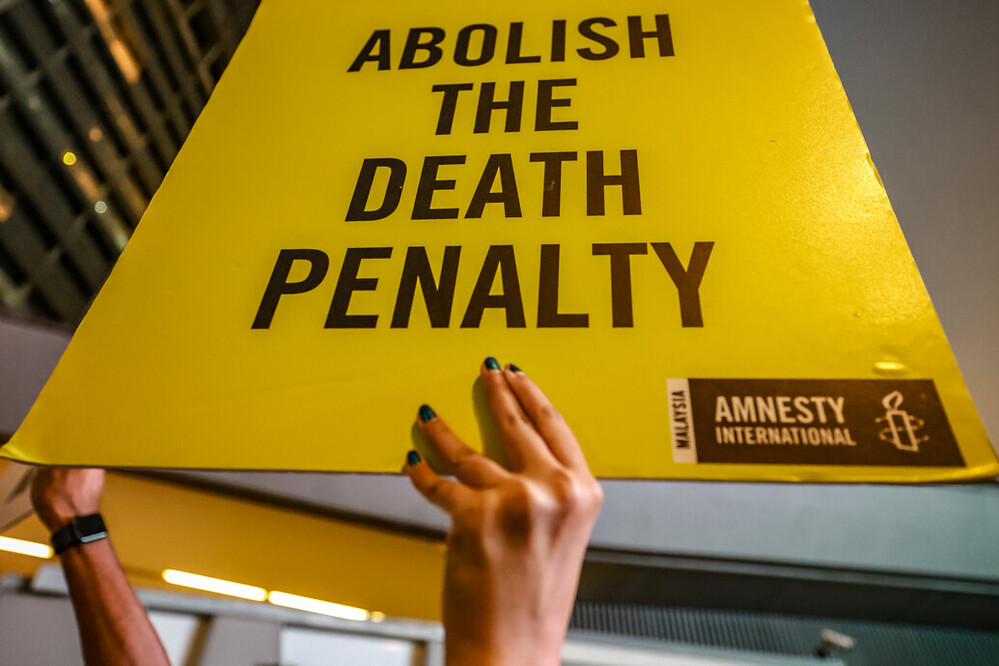
Be part of a global movement of people advocating for an end the death penalty.
Become a member today
How the death penalty is used around the world?
In 2024, the countries with the highest number of executions were China, Iran, Saudi Arabia, Iraq and Yemen – in that order.
China remained the world’s leading executioner – but the true extent of its use of the death penalty is unknown as this data is classified as a state secret; the global figure of at least 1,518 excludes the thousands of executions believed to have been carried out there.
Excluding China, 87% of all reported executions took place in just two countries – Iran, Saudi Arabia.
Which countries use the death penalty?
Every year, Amnesty International publishes a report detailing the use of the death penalty during the previous year. In 2025, the countries with the highest number of executions were China, Iran, Saudi Arabia, Yemen, and USA – in that order.
China remained the world’s leading executioner – but the true extent of its use of the death penalty is unknown as this data is classified as a state secret. The global figure of at least 2,707 excludes the thousands of executions believed to have been carried out there.
The global view: death sentences and executions 2010-2024
*This map indicates the general locations of boundaries and jurisdictions and should not be interpreted as Amnesty International’s view on disputed territories.
**Country names listed reflect nomenclature in April 2025
What kinds of execution methods are used?
Executions methods vary by country. All methods are inherently cruel and degrading. Some methods cause prolonged suffering and have been found by UN experts to violate the absolute prohibition of torture. In some cases, executions are carried out in secret, preventing independent monitoring.
There are various execution methods used in different countries, including:
- Beheading
- Hanging
- Lethal injection
- Shooting
- Nitrogen gas asphyxiation
Their continued use demonstrates why the death penalty cannot be reconciled with human rights principles.
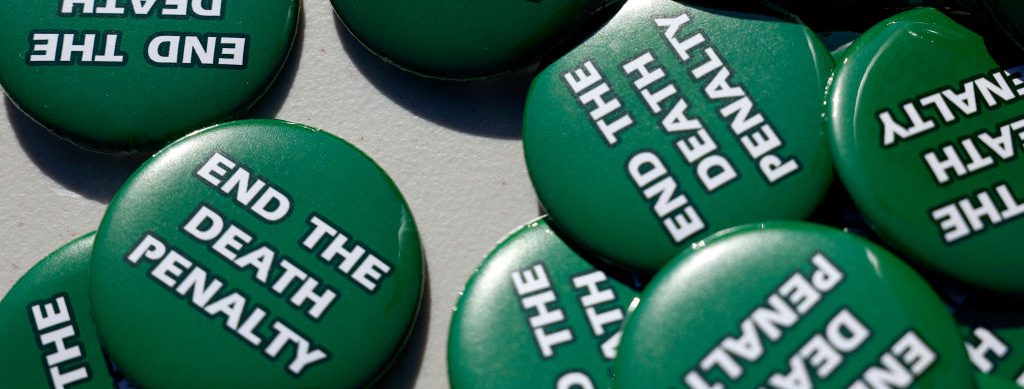
Be part of a global movement of people advocating for an end the death penalty.
Become a member today
Death penalty use for non-lethal crimes
Any use of the death penalty is a violation of human rights. But it’s use for crimes other than intentional killing is particularly egregious and strictly prohibited under international law.
There is a worrying increase in the use of the death penalty for drug-related crimes. Thirty countries still retain the use of the death penalty for these crimes, as part of the so called “war on drugs”. In recent years, approximately 40% of all executions recorded by Amnesty International were for drug-related offences.
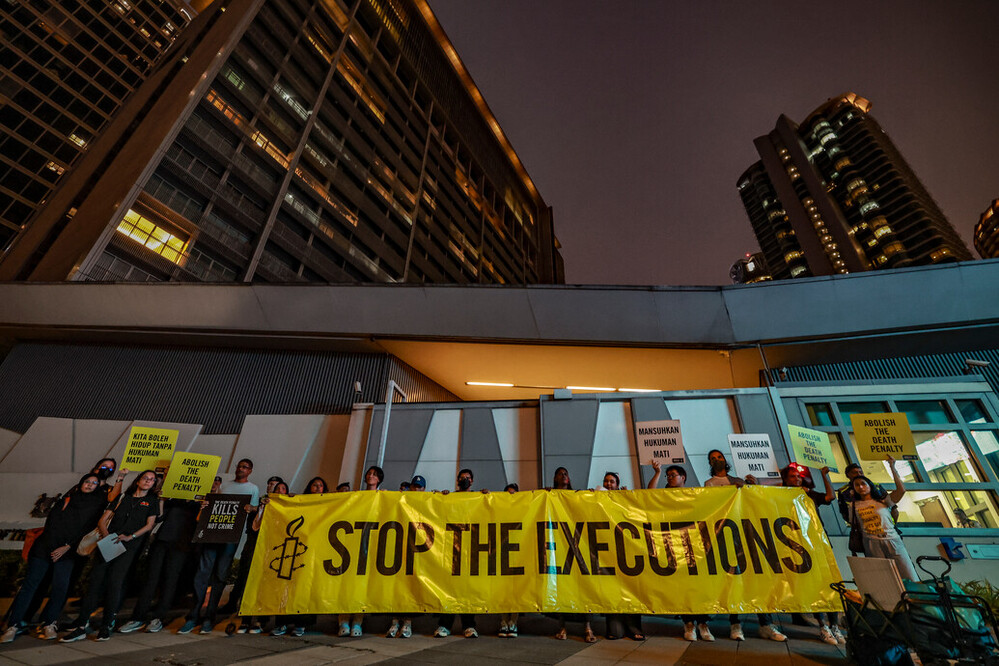
Use of the death penalty against children
The use of the death penalty for crimes committed by people younger than 18 is prohibited under international human rights law, yet some countries still resort to the death penalty in these situations.
Since 2016, Amnesty International has documented at least 50 executions of people under 18-years-old in four countries: Iran, Saudi Arabia, Somalia and South Sudan.
Iran has executed more than twice as many people who were below the age of 18 at the time of the alleged crime as the other three countries combined. By the end of 2025, Iran had executed at least 39 children since 2016.
What is Amnesty International doing to abolish the death penalty?
For over 45 years, Amnesty International has been campaigning to abolish the death penalty around the world.
Amnesty International monitors its use by all states to expose and hold to account governments that continue to use the ultimate cruel, inhuman and degrading punishment. We publish a report annually, reporting figures and analysing trends for each country. Amnesty International’s latest report, Death Sentences and Executions 2024, was released in April 2025.
The organization’s work to oppose the death penalty takes many forms, including targeted, advocacy and campaign based projects in sub-Saharan Africa, Asia-Pacific, Americas and Europe and Central Asia , and Middle East and North Africa regions; strengthening national and international standards against its use, including by supporting the successful adoption of resolutions by the UN General Assembly on a moratorium on the use of the death penalty; and applying pressure on behalf of people facing imminent execution. We also support actions and work by the abolitionist movement, at national, regional and global level.
When Amnesty International started its work in 1977, only 16 countries had totally abolished the death penalty. Today, that number has risen to 113 – more than half the world’s countries. More than two-thirds are abolitionist in law or practice.