


In our increasingly complex world, racism and racial discrimination is still very much alive, with dire consequences for the lives of millions. This demands a clear and shared understanding of how systemic racism is produced, maintained, normalized and reproduced – and how it can be tackled. Learning is a form of resistance: unpacking what connects history to present-day issues and learning from others to challenge racial injustice in their own contexts.
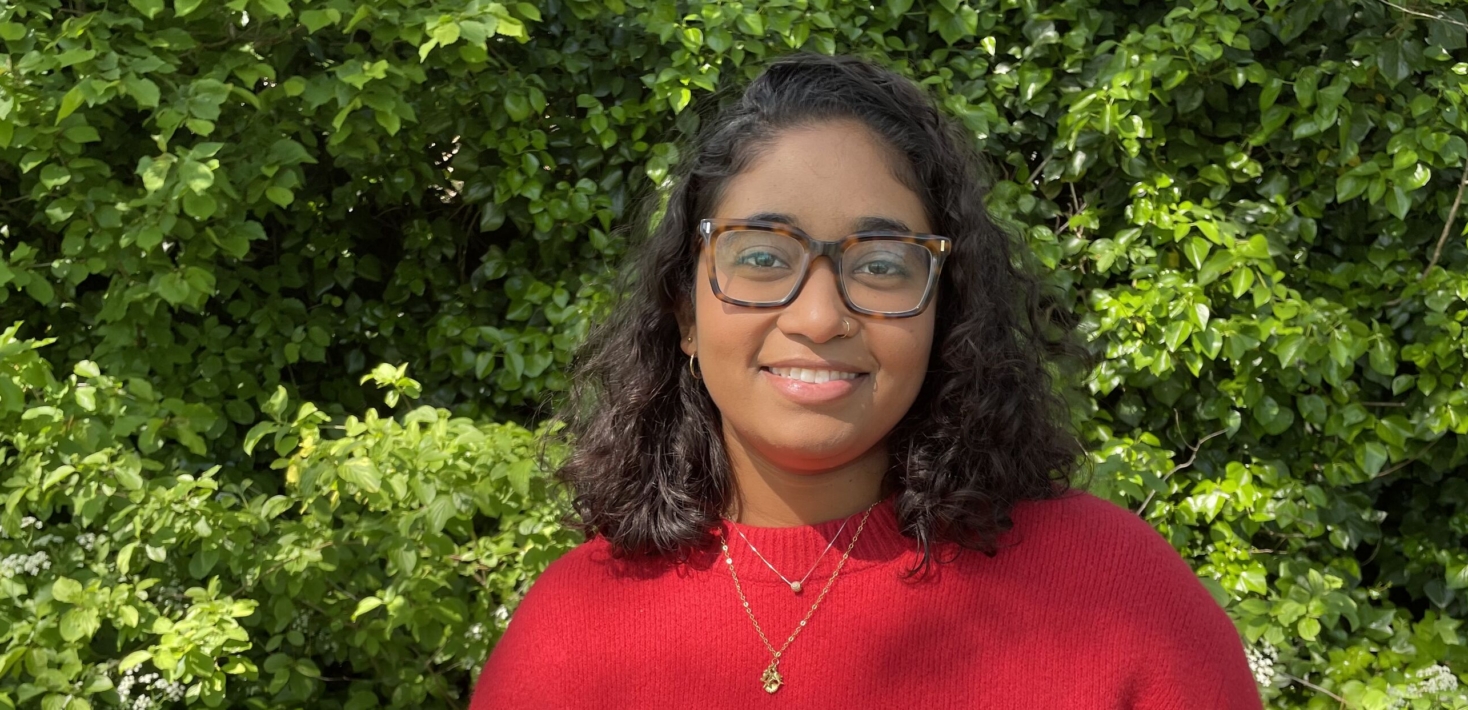
Cindy Hawkins Rada, Amnesty International’s researcher and advisor on racial justice and one of the brains behind a new learning course, explains why racial justice is one of the most important issues of our time and what each one of us can do to make it a reality.
Can you tell me about your role at Amnesty and what it involves?
I am a researcher and advisor on racial justice. My role involves researching how systemic racism manifests in society and constitutes racial discrimination under international human rights law. For example, how migration policies discriminate against groups subjected to racism or how a community has a right to reparations for colonialism and slavery.
I’m currently focusing on how the implementation of migration policies in the Dominican Republic is racist and rooted in legacies of colonialism and slavery, disproportionately affecting Haitians and Dominicans of Haitian descent. I also provide advice across Amnesty International on how to look at human rights issues with a racial justice perspective.
How did you get into this area of work?
I came into this area of work because racial justice is deeply personal to me. I’m a Raizal woman, an Afro-descendant community in Colombia. Having to experience systemic racism and structural inequalities shaped how I understand injustice and human rights. These lived realities taught me that racism is not incidental but deeply ingrained in how our societies function.
Is there a piece of work that has had a lasting impact on you?
In the world we live in, marked by growing exclusion, discrimination, racist rhetoric, and violence, I have found working on a human rights education course on racial justice and human rights to be deeply impactful. What stands out to me is not only the urgency of this context, but also the widespread lack of understanding, and often misunderstanding, of how racism and discrimination operate.
Collaborating with human rights education and regional experts from around the world to unpack questions of systemic racism and exploring how racial justice can be pursued as a human rights issue has been both challenging and transformative. The process pushed me to think critically, to learn from the experience of others, and to make complex concepts as accessible as possible.
What is systemic racism?
Systemic racism refers to the way ideas about racial categories become embedded in the institutions, laws, policies, and everyday practices that shape society. It goes far beyond individual prejudice or isolated acts of discrimination.
When racism is systemic, it is normalized within the structures that govern how resources are distributed, how decisions are made, and how people are treated in areas such as education, health care, migration, policing, and employment. This means that groups subjected to racism can face persistent disadvantages even without overtly racist intent from individuals.
Systemic racism can be internalized in how people see themselves and others, expressed interpersonally in daily interactions, reinforced institutionally, and sustained structurally through historical and social inequalities linked to race, ethnicity, descent, national origin, or skin colour.
What does racial justice entail?
Racial justice entails demanding a world in which we ensure that those who have been subjected to racism can fully enjoy their human rights on an equal footing, where racism and racial discrimination are dismantled. It goes beyond formal equality or treating everyone the same and instead focuses on creating fair and equitable systems and practices, transforming education, healthcare, migration and justice so that everyone has their rights realized.
Racial justice also involves deliberately dismantling the structures and systems that sustain racial subordination and inequality. It means learning from, listening to, and building on the knowledge and struggle of groups and communities subjected to racism that have historically resisted it and fought for equality.
What can you tell us about the course on racial justice? What can people expect to learn?
The course on racial justice and human rights is designed to help people better understand how racism operates systemically and why racial justice is a core human rights issue. It brings together four inspiring voices who share their reflections and recommendations for learners and activists. Whether you’re just beginning or already engaged in racial justice work, their insights can help you think about where to start, how to stay grounded, and how to build meaningful, lasting change.
This course is divided into three modules and should take about 90 minutes of learning to complete. Module 1 provides an overview of systemic racism, Module 2 focuses on racial discrimination, and Module 3 covers how to take action to confront racism and racial discrimination. The course is available in English, Spanish and French.
Why is it important to have a course on racial justice now?
A course on racial justice and human rights is crucial now because racism is increasingly visible in policies, public discourse, and lived realities, while understanding of how it operates systemically remains limited. Human rights education on racial justice becomes a necessary step towards meaningful change.
What did you find most interesting from the experts that took part in the course?
What I found most interesting was learning directly from civil society experts from different regions who have long histories of fighting for racial justice in their own contexts. Their contributions made it very clear that systemic racism does not look the same everywhere. It manifests differently depending on history and social structures.
Their insights, feedback, and recommendations were essential to shape a course that offers a global perspective. This was especially important given that, in reviewing existing online courses on racism, I found many were geographically limited and largely centered on frameworks from the United States and Europe. Collaborating with these experts from the Americas, the Pacific, South Asia and North Africa helped ensure the course is relevant, coherent, and meaningful across different regions of the world.
What is the best way to fight racism in our daily lives?
There are many ways to fight racism in our daily lives. Learning is a starting point: it helps us understand how racism is reproduced structurally and institutionally, and it equips us to question and challenge those systems, not just individual behaviors.
That’s why I would recommend taking the course to explore the many ways people are confronting racism around the world. The course includes concrete examples of antiracist movements in different regions, and four civil society experts share practical recommendations drawn from their experience.