


- Civilians killed, abducted and tortured in sustained campaign of violence
- Islamic State-linked group’s violations amount to crimes against humanity
- “The ADF’s violence is contributing to an escalating humanitarian crisis” – Agnès Callamard
Civilians in the eastern Democratic Republic of Congo (DRC) are suffering a surge in human rights abuses committed by Allied Democratic Forces’ (ADF) fighters that amount to war crimes and crimes against humanity, Amnesty International said in a new report.
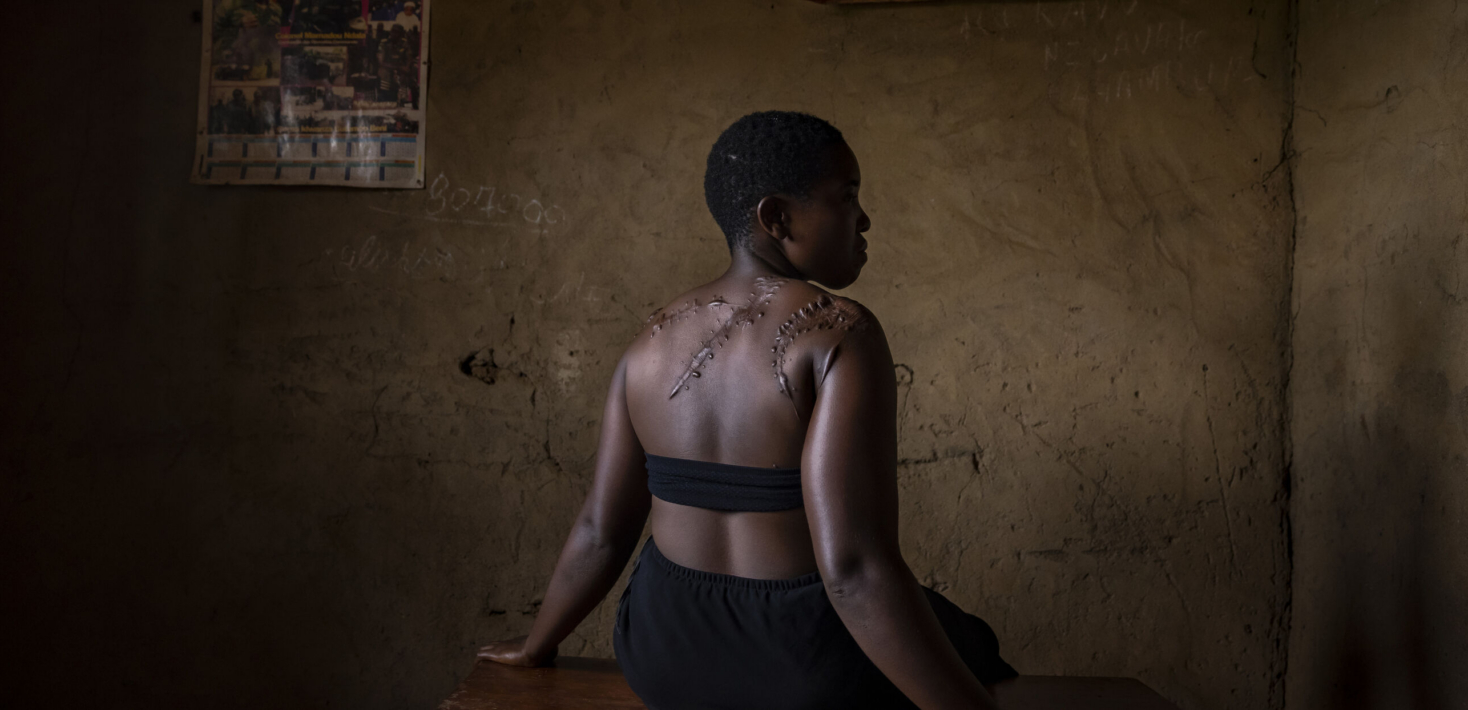
“I’d Never Seen So Many Bodies”: War Crimes by the Allied Democratic Forces in the eastern Democratic Republic of Congo documents violent ADF attacks on civilians; abductions and forced labour; recruitment and use of children; and additional abuses and crimes against women and girls, including forced marriage, forced pregnancy and various other forms of sexual violence.
The acts committed by the Islamic State-linked ADF constitute numerous violations of international humanitarian law, many of which amount to war crimes and crimes against humanity. The attacks are occurring across vast swathes of the eastern DRC, where the Rwanda-backed March 23 Movement (M23) armed group are also involved in largescale attacks against civilians. With international and domestic attention centring on M23’s advances as of early 2025, the ADF has seized on the diversion of troops and focus.
“Civilians in the eastern DRC have suffered extensive brutality at the hands of ADF fighters. They have been killed, abducted and tortured in a dehumanizing campaign of abuse,” said Agnès Callamard, Amnesty International’s Secretary General.
Civilians in the eastern DRC have suffered extensive brutality at the hands of ADF fighters
Agnès Callamard, Amnesty International’s Secretary General
“ADF fighters have raided communities and farms, attacked medical facilities, and looted and burned homes. The ADF’s violence is contributing to an escalating humanitarian crisis. The group’s attacks have increased displacement and disrupted basic services, including access to food, healthcare and education.
“The group’s relentless attacks underscore the extent of insecurity and overlapping crises in the eastern DRC and highlight the urgent need for the government and the international community to intensify efforts to protect civilians and bring those responsible to justice.
“These abuses constitute war crimes which the world must not continue to ignore. As part of widespread and systematic attack against the civilian population, they also amount to crimes against humanity.”
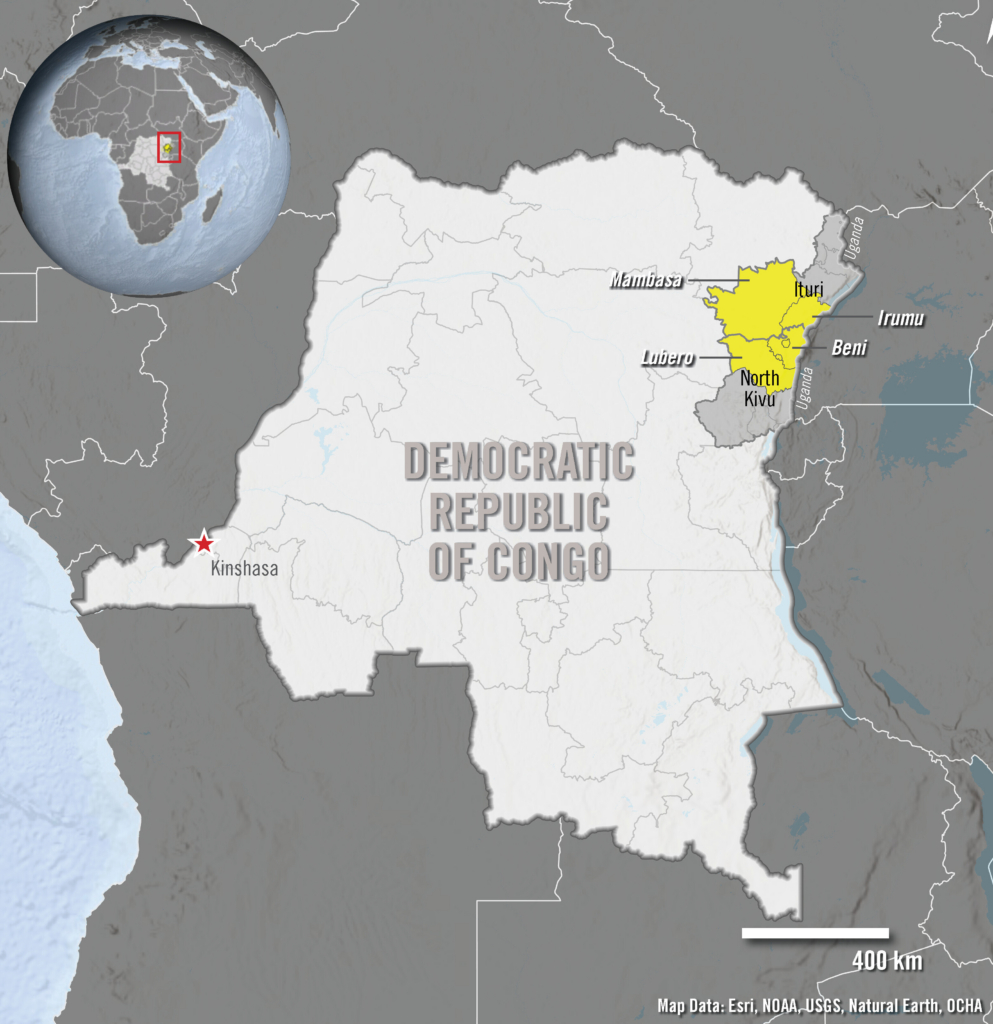
Amnesty International conducted research in North Kivu province in November 2025. In total, 71 people were interviewed, including 61 in-person interviews with direct witnesses and survivors of attacks, civil society members, military and police officials, and humanitarian actors including from the UN.
The Armed Forces of the Democratic Republic of Congo (FARDC) has been battling the ADF for years, with some support from the UN mission MONUSCO. The FARDC and the Uganda Peoples’ Defence Forces (UPDF) began a joint military operation to fight the ADF in November 2021.
“They shot at anything that moved”
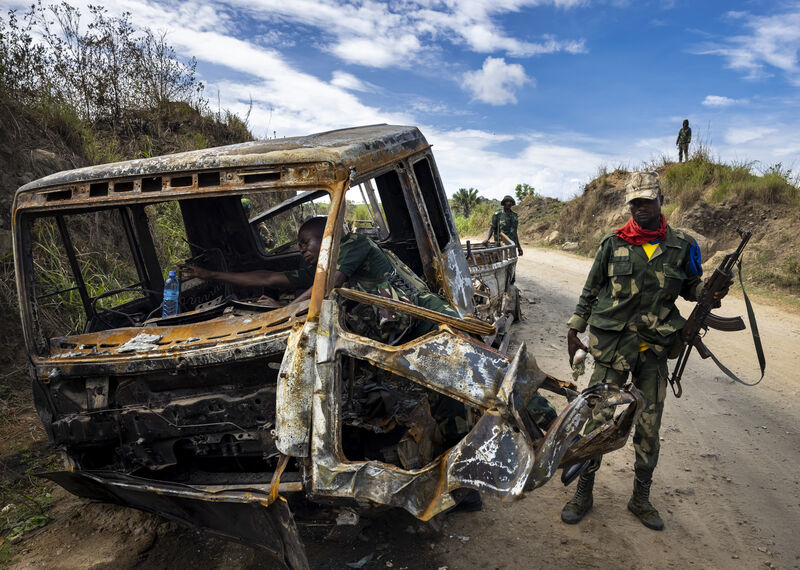
Amnesty International documented eight ADF attacks in Ituri and North Kivu provinces. Seven of the attacks took place in 2025, and one was in 2024. Witnesses said that security actors, including FARDC troops in nearby bases, did not always respond or arrived late at the scene of attacks.
While the ADF does attack security forces, their primary target in recent years has been civilians. Fighters deliberately attack civilians not only to steal food, medicines and other supplies, but also in retaliation for military operations.
On 8 September 2025, in the village of Ntoyo, ADF fighters disguised themselves as civilians and mingled among mourners attending a wake before suddenly attacking people. The killing spree – using hammers, axes, machetes and guns – left more than 60 people dead amid an absence of security forces.
One witness said he saw fighters kill his sister with an axe. Another witness described how fighters broke into her house and abducted her four daughters. A third witness found the bodies of her parents in the morning; her father had been shot, while her mother had been struck with a hammer. She said: “I’d never seen so many bodies.”
On 12 July 2025, the ADF killed eight people during a raid in Otmaber in Irumu territory in Ituri. One woman told Amnesty International that fighters shot her, her husband, and their seven-year-old son. She said: “After shooting us, they proceeded to burn houses… [My son and] I crawled slowly into a house that wasn’t burned and spent the night there… Even in the morning, [the military] didn’t come. Everyone had to take care of themselves.”
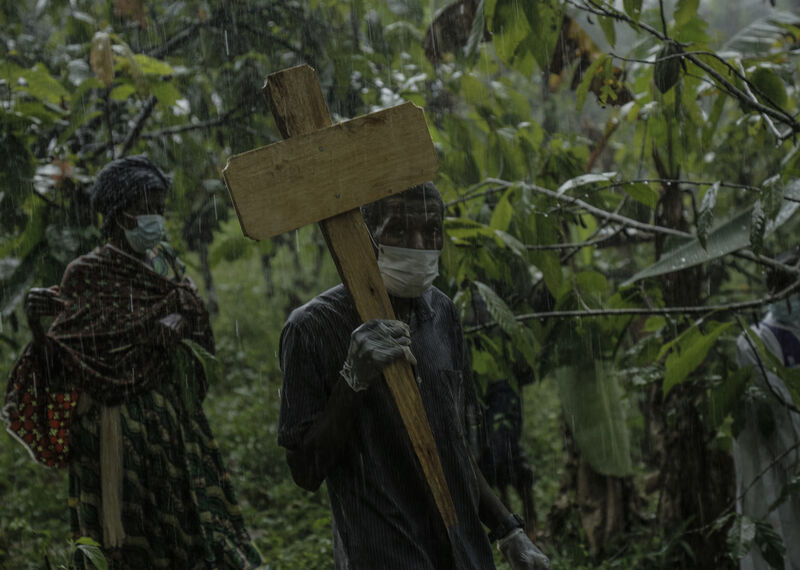
The group has also repeatedly attacked health facilities and raided supplies. In November 2025, a health centre in the village of Byambwe was targeted. At least 17 civilians were killed, and four wards were set on fire. An older person who escaped by crawling out of the facility said: “You couldn’t stand; they shot at anything that moved.”
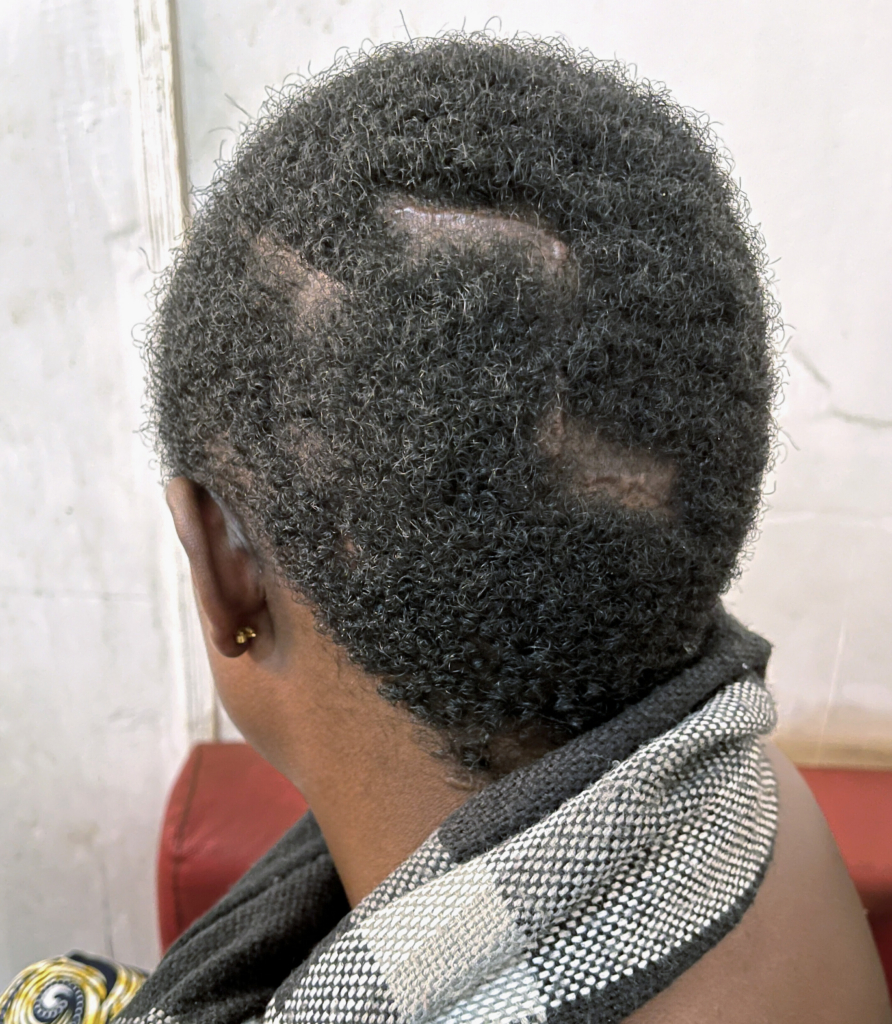
Several witnesses of attacks said they experienced flashbacks and nightmares. One woman survived being hit in the head with a machete, while her child was killed when their house was set on fire in an August 2025 attack. She said: “I have been consumed by fear.”
Another woman who survived the same attack said: “What have we done to deserve these things that are happening to us? How much more must we suffer before this ends?”
Abductions and hostage-taking
Amnesty International documented 46 cases of abduction, including seven cases of hostages held for ransom. Abductees suffered additional abuses and crimes, including forced labour, torture, sexual slavery, and unlawful killings.
Hostages and other abductees were often forced to porter and act as guides for the ADF. Fighters gave them very little food, made them walk for days, and carry heavy loads, all while subjecting them to insults and beatings. Those who showed signs of exhaustion were often killed.
Abductees were moved between camps deep in the forest. Those who were kept for longer periods were compelled to carry out various tasks or face death. This included fetching food and water, cooking, collecting information, picking up deliveries, mining, and performing different tasks during attacks.
One woman who escaped captivity in late 2024 after more than two years told Amnesty International: “They taught us how to kill with weapons and with blades… In the bush, you had to do what you were told. You cannot be weak.”
Recruitment and use of children
The ADF is listed by the UN among the groups most responsible for recruitment and use of children in the DRC. The group exploits children in various roles, including as fighters, porters, cooks and lookouts. Many former abductees and witnesses said they saw children believed to be as young as 10 participating in the group’s attacks.
Amnesty International interviewed two formerly abducted children, plus three young people abducted when they were children, who were all used by the ADF for various purposes. The interviewees were aged 13-17 when they were abducted.
A young man, who was abducted when he was under 15 and remained in captivity around two years, said: “They put me in a group in charge of looking for food… They preached Islam to us… When it was time to pray, I prayed with them. If you refused, they could kill you.”
A girl who was abducted when she was under 15 said: “They started teaching us Arabic because they were Muslims. After the Arabic lessons they gave us fighting training. When we finished that training, we started taking part in some attacks.”
Subjected to numerous abuses, including torture and other ill-treatment, these children should be viewed as victims first and foremost. They should also afforded additional protections as survivors of trafficking who could not legally consent to their own exploitation.
Violence against women and girls
Amnesty International interviewed five women and two girls who were abducted by the ADF and forced into “marriages”. Witnesses said “extra-marital” relations were not allowed, however, several interviewees mentioned incidents of sexual violence by ADF fighters towards women and girls outside of “marriage”.
Interviews indicate that the ADF gave “wives” – at times multiple ones – to fighters as a recruitment incentive, and that the practice is systematic in the group’s camps. The women and girls were subjected to extended periods of sexual and physical violence.
Women and girls also described being forced to convert to Islam and indoctrinated into the group’s version of the religion. The women and girls said they were explicitly told by women trainers and camp chiefs they had to accept being given “husbands” or face death; several were made to watch the killings of others who refused orders.
One young woman who was abducted when she was a teenager recounted an exchange she had with the camp’s chief: “I said I’m still young. He asked how old I was, and I said 16. He said, ‘That is [old] enough; here we give girls as young as 12 husbands. Either you accept a husband or we kill you’.” She described repeated ill-treatment by her “husband”, who threatened that she would be “slaughtered” if she attempted to flee.
Either you accept a husband or we kill you
A camp chief’s threat to a young woman abducted as a teenager
Six of the seven women and girls who were taken as “wives” said they ended up pregnant as a result of the forced marriages. When these women and girls who are victims of trafficking finally came out of this life of sexual slavery and domestic servitude, they faced suspicions and stigma. One woman said pressure by her in-laws to kill her two children who were born in the bush almost led to her taking her own life.
Several interviewees said they faced severe economic challenges upon release from the group and struggled to access to medical services and specialized care.
Recommendations
Authorities in the DRC must do more to protect civilians, including by working with the UN and local communities, to improve early warning mechanisms and allow for rapid response ahead of attacks. A comprehensive approach to security and justice and accountability, as well as meaningful reintegration programming, are required to address the needs of communities and survivors.
“Survivors told us that peace and security must be urgently restored in the eastern DRC if they are to rebuild their lives,” said Agnès Callamard.
“The Congolese government must take far stronger action to ensure the protection of civilians. The international community must steadfastly support the Congolese state in improving efforts to protect civilians, ensuring justice, and providing long-term, sustainable support to victims and survivors. The disregard in international policy and donor circles to ADF’s expansive threat and crimes will only continue to undermine security and human rights in the eastern DRC.”
Background
The ADF originated in the 1990s in Uganda, as a merger of opposition groups, before taking refuge in Zaire (now the DRC). In 2019, the Islamic State officially recognized a pledge of allegiance by the ADF, and the group ultimately became the Islamic State’s Central Africa Province.