


The de facto Huthi authorities in Yemen should immediately and unconditionally release the dozens of staff from the United Nations and Yemeni and international civil society organizations who have been arbitrarily detained over the last two years, Cairo Institute for Human Rights Studies, Human Rights Watch, and Amnesty International said today. The Huthis’ arbitrary arrests of humanitarian workers has a direct impact on the delivery of lifesaving assistance to people in critical need of aid.
“That the Huthis are detaining aid workers while hunger worsens demonstrates the utter disregard they have for the people living within their territories in northern Yemen,” said Niku Jafarnia, Yemen and Bahrain researcher at Human Rights Watch. “They should immediately release all those they have arbitrarily detained and work on fulfilling people’s basic needs.”
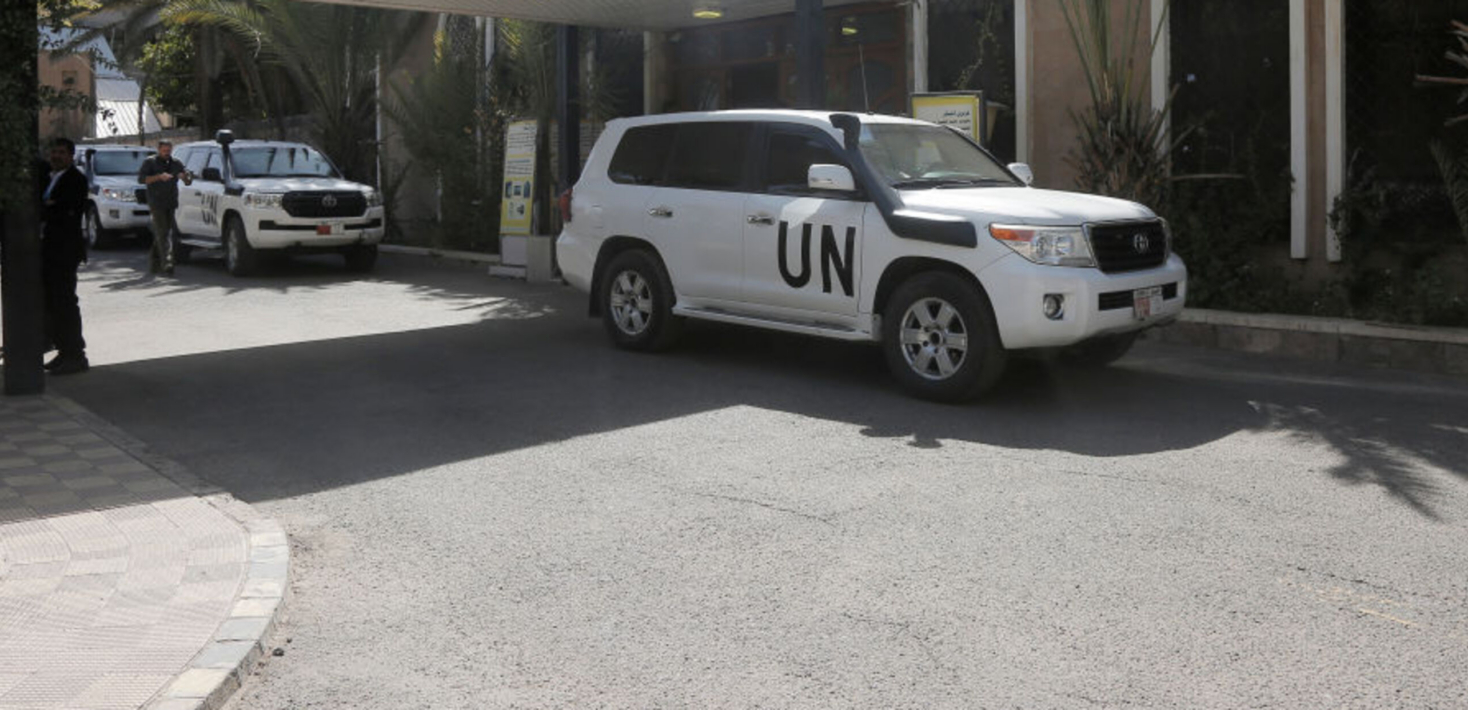
Starting on 31 May 2024, the Huthis carried out a series of raids in areas under their control, arbitrarily detaining 13 UN staff and at least 50 staff from Yemeni and international civil society organizations. Since that time, the Huthis have arbitrarily detained dozens more staff of the UN and civil society organizations while releasing only seven. As of February 2026, 73 UN staff and dozens of other humanitarian workers remained in Huthi detention, all of them Yemeni nationals.
On 11 February 2025 an aid worker from the World Food Programme died in Huthi custody. His death heightens fears for the safety and well-being of others who remain arbitrarily detained in Huthi-run detention centres, given the Huthis’ track record of torture and other ill-treatment against detainees.
Many of those detained were arrested without being shown arrest warrants and were forcibly disappeared for months. While some have received medical care, many have not, including some detainees who have serious medical conditions.
No sources that Human Rights Watch has previously spoken to have been aware of any detainees having access to lawyers, despite three UN employees’ cases having been transferred to the Specialized Criminal Court in December of 2025.
Human Rights Watch found in January 2026 that the detentions have exacerbated the already dire humanitarian crisis in Yemen.
In their latest global report on hunger, the World Food Programme (WFP) and UN Food and Agricultural Organization (FAO) warned: “The already critical acute food insecurity situation is expected to deteriorate further over the outlook period [November 2025 to May 2026], with pockets of the population projected to face Catastrophe” in four districts under Huthi control.
These arrests have been accompanied by a Huthi-led media campaign accusing humanitarian organizations and their staff of “conspiring” against the country’s interests through their projects and warning them of the dangers of “espionage”. Since 2015, Amnesty International has documented scores of cases in which Huthi authorities used spying charges to persecute political opponents and silence peaceful dissent.
“The continued crackdown on civic space in northern Yemen, in which the Huthis have arrested scores, including humanitarian workers, human rights defenders, journalists, and activists, has to end,” said Diala Haidar, Yemen researcher at Amnesty International. “All those arbitrarily detained should be immediately released. Pending their release, Huthi authorities must ensure they are protected from torture and other ill-treatment and that they have access to health care and legal counsel and regular contact with their family.”
The continued crackdown on civic space in northern Yemen, in which the Huthis have arrested scores, including humanitarian workers, human rights defenders, journalists, and activists, has to end
Diala Haidar, Yemen researcher at Amnesty International
Families of some detainees have been told that their detained family members were denied access to lawyers and forced by authorities to make video confessions.
The Huthis released videos in 2024 of other detainees “confessing” to espionage and other charges.
Human Rights Watch, Amnesty International, and other groups, including the former UN Group of Eminent Experts on Yemen, have documented the Huthis’ use of torture to obtain information or confessions.
Local and international civil society organizations play a critical role in alleviating Yemen’s humanitarian crisis. Despite drastic funding cuts from donor states, particularly the United States, that are putting the health and human rights of millions of people in Yemen at risk, aid workers on the ground are delivering lifesaving assistance and protection services, including in Huthi-controlled territories of Yemen.
Huthi authorities have targeted human rights and humanitarian workers before. Four Yemeni staff members from the Office of the UN High Commissioner for Human Rights (OHCHR) and the UN Educational, Scientific and Cultural Organization (UNESCO) arrested in 2021 and 2023 remain arbitrarily detained and have been held incommunicado since their arrest. In September 2023, Huthis arrested the safety and security director at Save the Children, and held him incommunicado. He died on 25 October 2023, while arbitrarily detained.
Governments with influence on the Huthis and the UN leadership should step up efforts to secure the release of the nongovernmental organization and UN staff.
“The international community must move beyond statements of concern and deliver a unified, robust response that pressures the Huthi authorities to immediately and unconditionally release all those arbitrarily detained, end reprisals against aid workers, and guarantee safe and unhindered humanitarian access across Yemen,” said Amna Guellali, research director at CIHRS.