Overview
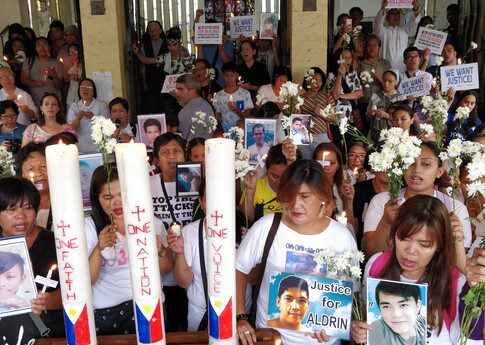
In June 2016, then-President Rodrigo Duterte launched a brutal campaign against drugs in the Philippines. Thousands of people, the vast majority from poor and marginalized communities, were killed by the police or by armed individuals with links to them for allegedly using or selling drugs.
Amnesty International concluded that widespread and systematic extrajudicial executions and other human rights violations in the context of the “war on drugs” in the Philippines reach the threshold of crimes against humanity.
Though drug-related killings have reduced under the current administration of President Ferdinand “Bongbong” Marcos Jr, they continue to be reported. Since 2016, Amnesty International has been dedicated to documenting human rights violations in the “war on drugs” and calling for justice and accountability.
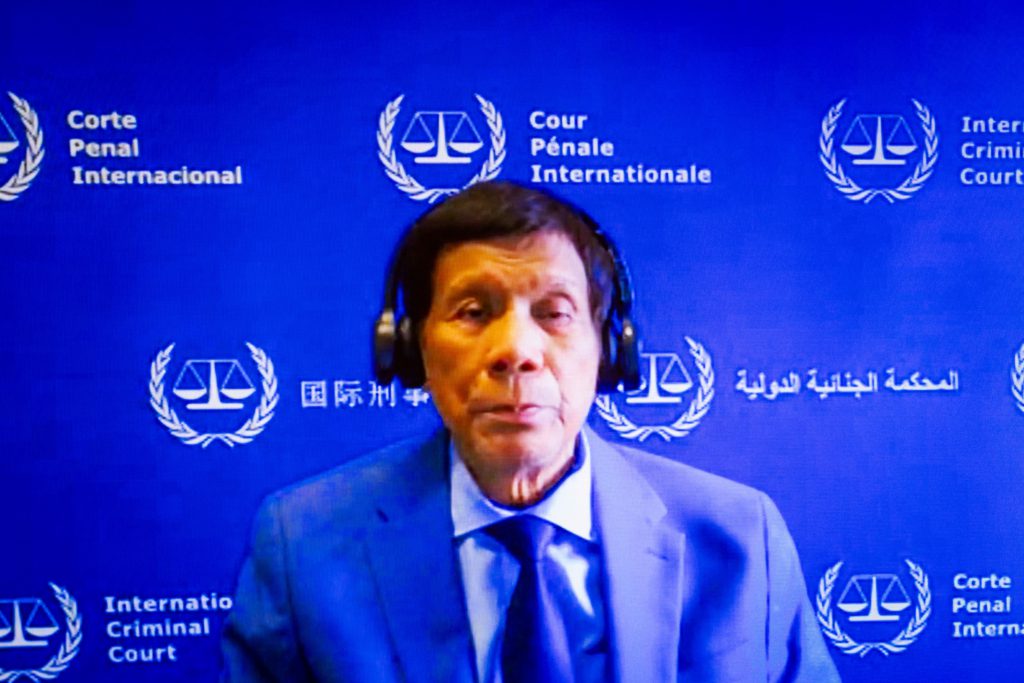
In March 2025, former President Duterte was arrested by the Philippine government and surrendered to the International Criminal Court to face charges of murder as a crime against humanity.
The work is not over yet.
More needs to be done to stop killings in the “war on drugs” completely, to hold all those responsible to account, and to reform punitive drug laws and policies that violate human rights.
Warning: This video contains footage showing violence, including victims of extrajudicial killings. We included this video to demonstrate the direct impact of the “war on drugs”
Join the global movement to demand justice and accountability
Raise your voice with 7,000,000 other supporters and activists around the world to protect human rights
An economy of murder
Duterte’s “war on drugs”
In 2016, Duterte promised as part of his electoral campaign to “shoot dead” criminals and end the drug trade in the country in six months. Once he became President, killings by police and other persons – many of whom were believed to be linked to or often paid by police – soared.
This was a new phenomenon for the Philippines at large, but not for Duterte. Similar violent tactics for addressing drugs and crime were well-known since his time as Mayor of Davao City, as the alleged founder of the Davao Death Squad.
Incited by the words of the President, police followed unverified lists of people allegedly using or selling drugs, stormed into their homes and shot dead unarmed people, including those who posed no risk nor resisted the arrest.
Fabricating their subsequent incident reports, the police routinely claimed they were fired upon first, as part of ‘copy past narrative’. Witnesses told Amnesty International how the police conducted late night raids, did not attempt an arrest, opened fire on unarmed persons, and in many cases, planted drugs and weapons they later claimed as evidence.
Driven by pressures from the top, including evidence of financial incentives, police engaged in an informal economy of murder.
Case studies
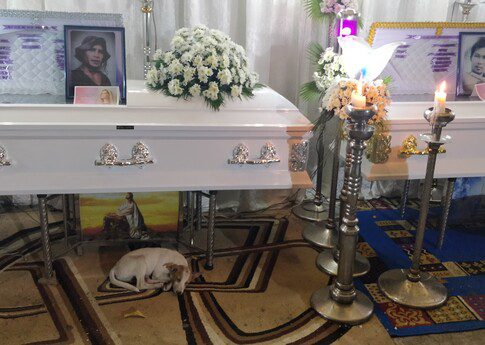
Morillo, a 28-year-old fruit seller, survived a police operation in August 2016 by playing dead after police shot him and killed his friends. Police alleged that there was a shootout during an anti-drug operation but he said he and his friends were unarmed. He was later charged with assaulting the police officers who shot him, based on the allegations that he fired first, which a court subsequently dismissed. Nine years on, he continues to fight for justice for him and his friends.
Florjohn Cruz’s mother said he was fixing a broken radio on her bed, when police officers entered their home and ordered her to leave. She heard Florjohn pleading for his life before he was shot dead. She said that there was no buy-bust operation, as alleged by police. Family members said Florjohn was on the drug watchlist and had used drugs in the past, but had stopped when President Duterte took office because of reports of people being killed.
Kian delos Santos’ killing sparked national outrage when CCTV footage showed police dragging the unarmed 17-year-old down an alleyway, contradicting their official reports that he was armed and killed when he shot at police first. In 2018, three police officers were convicted of Kian’s murder, one of only four cases that resulted in the conviction of police.
Kim Lester Ramos was gunned down at point blank range while seeking help for his injured friend, who was shot at by a policeman at an interchange. Testimony from eyewitnesses said that Ramos was unarmed, that a gun was later placed in his hand and that the position of his body was changed – all to justify a policeman’s motive of self-defence.
Human rights under attack
Human rights concerns during the Duterte administration extended beyond extrajudicial executions, as critics of the “war on drugs” were also targeted.
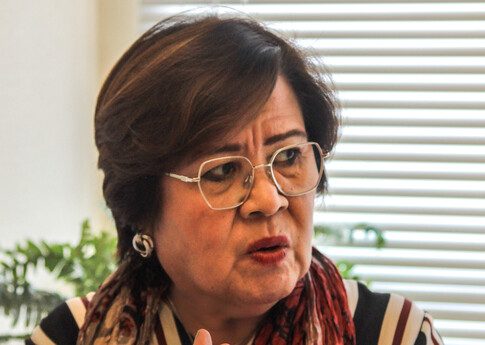
Drug war critic and former Senator Leila de Lima was arbitrarily detained for nearly seven years under fabricated charges, before the judiciary dismissed the last case against her in June 2024.
Nobel Peace Prize winner and journalist Maria Ressa – alongside Rappler, the news website she founded – faced a string of unjust charges initiated by the government attempting to silence her. Both Ressa and Rappler were consistent critics of former President Duterte and his administration, publishing detailed investigations into drug-related cases of extrajudicial executions and attacks on human rights defenders as well as corruption.
Other critics of the government – human rights defenders, activists, journalists, lawyers and other targeted groups, many of whom were also critics of the “war on drugs” – were harassed, intimidated, jailed or even killed for the their human rights work.
Duterte at the ICC
When Duterte launched the “war on drugs” in 2016, the Philippines was a party to the Rome Statute of the International Criminal Court (ICC). In February 2018, when the ICC opened a preliminary examination into the situation, the government swiftly declared its intention to withdraw from the Rome Statute.
The Philippines officially left the jurisdiction of the ICC in March 2019, six months before the Court moved forward its probe and opened an investigation into possible crimes committed from 2011 to 2019 in the context of the “war on drugs”, including Duterte’s time as Mayor of Davao City.
In March 2025, former President Duterte was arrested by the government of the Philippines pursuant to a warrant issued by the ICC and was transferred to The Hague, Netherlands. On 23 April 2026, the Pre-Trial Chamber confirmed all three crimes against humanity charges against Duterte.
Calls for justice and accountability
Although Duterte’s arrest was a monumental step, much more remains to be done to ensure truth, justice and reparations for survivors and victims.
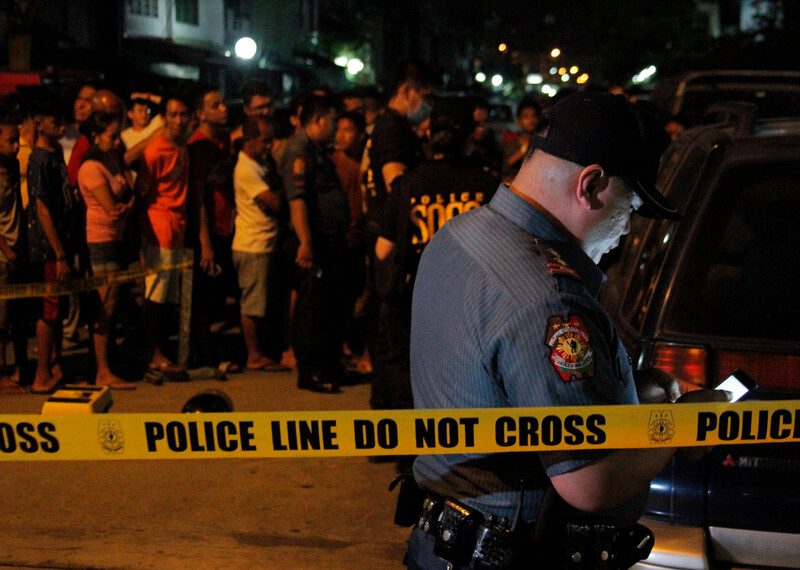
Apart from the arrest of the former President, there remain almost no other forms of accountability for those responsible within the government and law enforcement agencies, and others involved in the thousands of extrajudicial executions. Justice and reparations for families of the victims remain almost completely lacking.
Although they have been reduced under the Marcos government, drug-related killings continue to be reported. The current administration has failed to credibly investigate, let alone prosecute, those suspected of committing and ordering extrajudicial executions despite past promises to deliver “real justice in real time”.
Amnesty International is calling on the Philippine government to carry out thorough, independent, impartial and effective investigations into every case where there is reasonable suspicion of extrajudicial executions in the “war on drugs”. Where investigations uncover sufficient, admissible evidence of criminal responsibility, the government should ensure genuine criminal prosecutions in fair trials. This would complement the ongoing investigation by the ICC.
The need for wider reform
While drugs can certainly pose risks to individuals and societies, it is precisely because of these risks that governments need to shift away from policies based on prohibition and criminalization in favor of evidence-based alternatives that protect public health and the human rights of people who use drugs and other affected communities.
The “war on drugs” has failed to decrease the use and availability of drugs and has instead undermined the rights of millions, exacerbated the risks and harms of using drugs and intensified the violence associated with illicit markets.
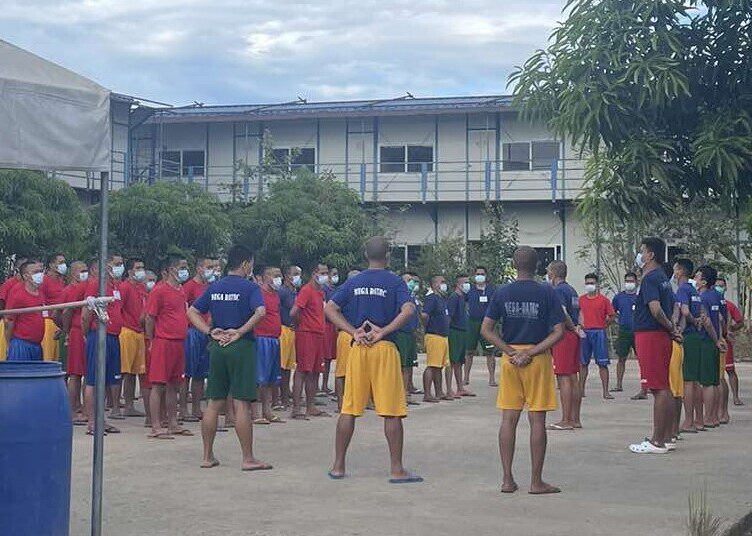
Amnesty International has documented the lack of adequate health and social services for people who use drugs, who are instead being arbitrarily detained in government-run facilities where they are forced to go through programmes that are stigmatizing and not evidence-based. People held in those centres in the name of “drug treatment” are punished for using drugs and coerced into abstinence; forced to undergo repeated mandatory drug testing in violation of their right to privacy; and subjected to severe punishments for rule violations, including weeks or months in isolation and extensions of their stay as punishment where there is no medical necessity.
For more information, read our report.
What is Amnesty doing to help?
Amnesty International is calling on the Philippine government to end the punitive approach to drugs, including drug-related killings and impunity for those responsible for human rights violations, by holding anyone suspected of criminal responsibility to account in fair trials. The government must also provide adequate health and harm reduction services for people who use drugs that are evidence-based and respectful of the rights and dignity of all people.
The international community must not turn their attention away from the situation in the Philippines. Technical and financial assistance is critical, both to support justice and reparations for families of victims of human rights violations and to move away from the ongoing punitive responses to drugs. Support must also be provided to civil society organizations that prioritize peer-led and evidence-based health and harm reduction initiatives that respond to the needs of people who use drugs.
Further readings
- Philippines: Duterte’s appearance at ICC a symbolic moment for ‘war on drugs’ victims
- ‘If you are poor you are killed’: Extrajudicial Killings in the Philippines’ “War on Drugs”
- ‘They just kill’. Ongoing extrajudicial executions and other violations in the Philippines’ ‘war on drugs’
- ‘My Job is to Kill’ Ongoing Human Rights Violations and Impunity in the Philippines
- ‘Submit and surrender’: the harms of arbitrary drug detention in the Philippines